Ch.7 - Thermochemistry
Tro - Chemistry: A Molecular Approach 5th Edition
Tro5th EditionChemistry: A Molecular ApproachISBN: 9780134874371당신이 사용하는 게 아니라요?교과서 변경
7장, 문제 45

We pack two identical coolers for a picnic, placing 24 12-ounce soft drinks and five pounds of ice in each. However, the drinks that we put into cooler A were refrigerated for several hours before they were packed in the cooler, while the drinks that we put into cooler B were at room temperature. When we open the two coolers three hours later, most of the ice in cooler A is still present, while nearly all of the ice in cooler B has melted. Explain this difference.

검증된 단계별 안내
1
Understand the concept of heat transfer: Heat transfer occurs when there is a temperature difference between two objects or substances. In this scenario, the heat from the soft drinks and the surrounding environment will transfer to the ice, causing it to melt.
Recognize the initial temperature difference: The drinks in cooler A were refrigerated, meaning they started at a lower temperature compared to the room temperature drinks in cooler B. This temperature difference affects the rate of heat transfer to the ice.
Analyze the heat absorption by the ice: Since the drinks in cooler A are colder, they will absorb less heat from the ice compared to the warmer drinks in cooler B. This results in a slower melting rate of the ice in cooler A.
Consider the role of insulation and cooler efficiency: Both coolers are identical and should have the same insulating properties. This means that the difference in ice melting is primarily due to the temperature of the drinks rather than the coolers’ performance.
Conclude the effect of drink temperature on ice melting: The refrigerated drinks in cooler A help maintain a lower overall temperature inside the cooler, reducing the rate of ice melting. In contrast, the warmer drinks in cooler B raise the internal temperature, accelerating the ice melting process.

비슷한 문제에 대한 검증된 영상 답변:

이 영상 해법은 위 문제에 도움이 된다고 튜터들이 추천한 것입니다.
영상 길이:
1m
도움이 되었나요?

주요 개념

질문에 올바르게 답하기 위해 반드시 이해해야 하는 핵심 개념들은 다음과 같습니다.

Heat Transfer

Heat transfer is the process by which thermal energy moves from one object to another due to a temperature difference. In this scenario, the warmer drinks in cooler B transfer heat to the ice, causing it to melt more quickly. In contrast, the colder drinks in cooler A have less thermal energy to transfer, allowing the ice to remain solid for a longer period.
추천 영상:

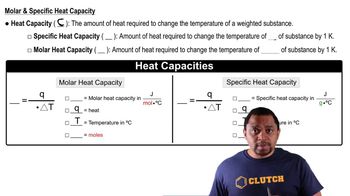
Specific Heat Capacity

Specific heat capacity is the amount of heat required to raise the temperature of a unit mass of a substance by one degree Celsius. The drinks in cooler A, being pre-cooled, have a lower initial temperature, which means they require less heat to reach equilibrium with the surrounding environment. This property helps maintain the ice's solid state longer in cooler A compared to the warmer drinks in cooler B.
추천 영상:

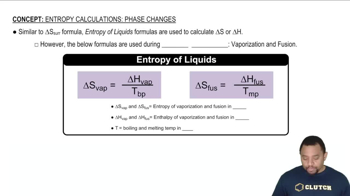
Phase Change and Latent Heat

Phase change refers to the transition of a substance from one state of matter to another, such as from solid to liquid. Latent heat is the energy absorbed or released during this process without a change in temperature. In cooler B, the ice absorbs a significant amount of heat from the warmer drinks to melt, while in cooler A, the ice absorbs less heat due to the lower temperature of the drinks, resulting in less melting.
추천 영상:
가이드 코스
01:46
Entropy in Phase Changes