
교과서 질문
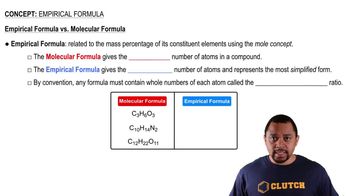
Combustion analysis of naphthalene, a hydrocarbon used in mothballs, produces 8.80 g CO2 and 1.44 g H2O. Calculate the empirical formula of naphthalene.
1868
views

 검증된 단계별 안내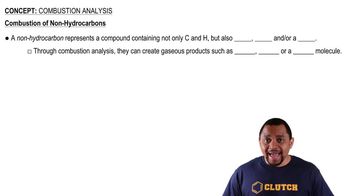
 01:29
01:29
 02:26
02:26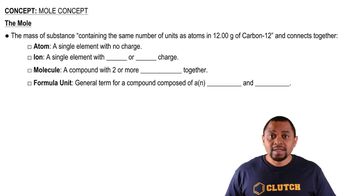 01:25
01:25Combustion analysis of naphthalene, a hydrocarbon used in mothballs, produces 8.80 g CO2 and 1.44 g H2O. Calculate the empirical formula of naphthalene.
From the given molar mass and empirical formula of several compounds, find the molecular formula of each compound. a. C4H9, 114.22 g/mol
Tartaric acid is the white, powdery substance that coats tart candies such as Sour Patch Kids. Combustion analysis of a 12.01-g sample of tartaric acid—which contains only carbon, hydrogen, and oxygen—produces 14.08 g CO2 and 4.32 g H2O. Determine the empirical formula of tartaric acid.
The foul odor of rancid butter is due largely to butyric acid, a compound containing carbon, hydrogen, and oxygen. Combustion analysis of a 4.30-g sample of butyric acid produces 8.59 g CO2 and 3.52 g H2O. Determine the empirical formula of butyric acid.
From the given molar mass and empirical formula of several compounds, find the molecular formula of each compound. b. CCl, 284.77 g/mol
From the given molar mass and empirical formula of several compounds, find the molecular formula of each compound. c. C3H2N, 312.29 g/mol