Skip to main content
GOB Chemistry
나의 코스
배우기
시험 준비
AI 튜터
학습 가이드
교과서적 해결책
플래시카드
탐험해 보세요
앱을 사용해 보세요
나의 코스
배우기
시험 준비
AI 튜터
학습 가이드
교과서적 해결책
플래시카드
탐험해 보세요
앱을 사용해 보세요
뒤로
Ionic Bonding definitions
카드를 뒤집기 위해 탭할 수 있습니다.
Ionic Bonding
카드를 뒤집기 위해 탭할 수 있습니다.
👆
Ionic Bonding
Attractive force holding together oppositely charged ions, resulting in the formation of stable compounds.
진행 상황 추적
컨트롤 버튼이 '내비게이션' 모드로 변경되었습니다.
1/13
관련 플래시카드
관련 실천
추천 영상
Ionic Bonding quiz
Ionic Bonding
15 용어
Ionic Bonding
3. Ionic Compounds
3 문제점
주제
Jules
Naming Monoatomic Cations
3. Ionic Compounds
3 문제점
주제
Jules
3. Ionic Compounds - Part 1 of 3
5 주제
10 문제점
장
Jules
3. Ionic Compounds - Part 2 of 3
7 주제
11 문제점
장
Jules
3. Ionic Compounds - Part 3 of 3
2 주제
4 문제점
장
VideoThumbView.guidedCourse
01:06
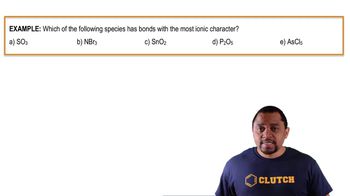
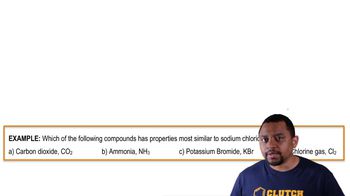
Ionic Bonding Example 2
4640
views
36
rank
VideoThumbView.guidedCourse
01:16
Ionic Bonding Example 1
12805
views
132
rank
VideoThumbView.guidedCourse
02:33
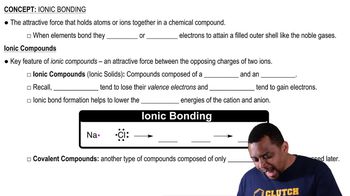
Ionic Bonding Concept 1
5594
views
31
rank
이 집합의 용어 (13)
하이드의 정의
Ionic Bonding
Attractive force holding together oppositely charged ions, resulting in the formation of stable compounds.
Cation
Positively charged species formed when a metal atom loses one or more electrons.
Anion
Negatively charged species produced when a nonmetal atom gains one or more electrons.
Ionic Compound
Substance composed of cations and anions held together by strong electrostatic attractions.
Ionic Salt
Another term for a compound formed from the combination of cations and anions.
Electrostatic Attraction
Force responsible for holding together particles with opposite electrical charges.
Valence Electrons
Outer shell electrons involved in the transfer process during the formation of charged ions.
Potential Energy
Energy lowered when oppositely charged ions come together to form a stable structure.
Physical State
Condition in which ionic compounds exist at room temperature, typically as solids.
Conductivity
Ability of dissolved ionic compounds to allow the flow of electric current due to mobile ions.
Melting Point
Temperature at which an ionic solid transitions to a liquid, usually very high due to strong attractions.
Boiling Point
Temperature required for an ionic solid to become a gas, reflecting strong interionic forces.
Brittleness
Tendency of ionic solids to crack or splinter when subjected to force, despite their hardness.
 뒤로뒤로
뒤로뒤로
 01:06
01:06