Ch.12 Alcohols, Thiols, Ethers, Aldehydes, and Ketones
Timberlake - Chemistry: An Introduction to General, Organic, and Biological Chemistry 14th Edition
Timberlake14th EditionChemistry: An Introduction to General, Organic, and Biological ChemistryISBN: 9781292472249당신이 사용하는 게 아니라요?교과서 변경
12장, 문제 52a

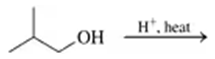
Draw the condensed structural or line-angle formula for the alkene, aldehyde, or ketone product of each of the following reactions:
a.

검증된 단계별 안내
1
Identify the type of reaction taking place. In this case, the problem involves the formation of an alkene, aldehyde, or ketone, which suggests a reaction such as dehydration, oxidation, or elimination.
Examine the reactant structure provided in the image (not shown here) to determine the functional groups present and the possible reaction pathway. For example, if the reactant contains a hydroxyl group (-OH), it may undergo dehydration to form an alkene.
Determine the specific reaction conditions (e.g., heat, catalyst, oxidizing agent) that are likely to influence the product. For instance, oxidation of a primary alcohol typically produces an aldehyde, while oxidation of a secondary alcohol produces a ketone.
Draw the condensed structural formula or line-angle formula of the product based on the reaction mechanism. For example, if the reaction involves the removal of water (dehydration), identify the double bond location in the resulting alkene.
Double-check the product structure to ensure it adheres to the rules of organic chemistry, such as proper valence for carbon atoms and correct placement of functional groups.

비슷한 문제에 대한 검증된 영상 답변:

이 영상 해법은 위 문제에 도움이 된다고 튜터들이 추천한 것입니다.
도움이 되었나요?

주요 개념

질문에 올바르게 답하기 위해 반드시 이해해야 하는 핵심 개념들은 다음과 같습니다.

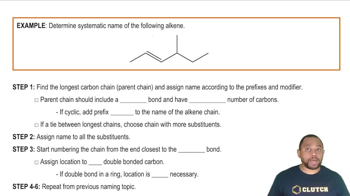
Alkenes

Alkenes are hydrocarbons that contain at least one carbon-carbon double bond (C=C). They are unsaturated compounds, meaning they have fewer hydrogen atoms than alkanes with the same number of carbon atoms. Alkenes are important in organic chemistry due to their reactivity, which allows them to undergo various addition reactions, making them key intermediates in the synthesis of more complex molecules.
추천 영상:
가이드 코스
3:26
Naming Alkenes Example 1

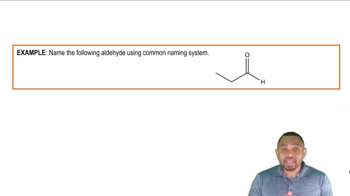
Aldehydes

Aldehydes are organic compounds characterized by the presence of a carbonyl group (C=O) at the end of a carbon chain. The general formula for aldehydes is RCHO, where R represents a hydrocarbon group. Aldehydes are known for their reactivity, particularly in nucleophilic addition reactions, and they play a significant role in various chemical reactions, including oxidation and reduction processes.
추천 영상:
가이드 코스
0:34
Naming Aldehydes Example 2

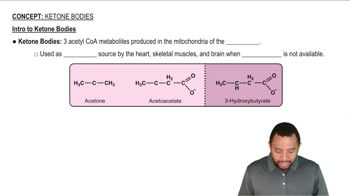
Ketones

Ketones are organic compounds that contain a carbonyl group (C=O) situated between two carbon atoms, making them distinct from aldehydes. The general formula for ketones is RC(=O)R', where R and R' can be the same or different hydrocarbon groups. Ketones are important in organic synthesis and are commonly used as solvents and intermediates in the production of pharmaceuticals and other chemicals.
추천 영상:
가이드 코스
1:29
Ketone Bodies Concept 1