
Ch.16 Amino Acids, Proteins, and Enzymes
Timberlake - Chemistry: An Introduction to General, Organic, and Biological Chemistry 14th Edition
Timberlake14th EditionChemistry: An Introduction to General, Organic, and Biological ChemistryISBN: 9781292472249당신이 사용하는 게 아니라요?교과서 변경
16장, 문제 55b

Ethylene glycol (HO—CH2—CH2—OH) is a major component of antifreeze. If ingested, it is first converted to HOOC—CHO (oxoethanoic acid) and then to HOOC—COOH (oxalic acid), which is toxic.
<IMAGE>
b. The treatment for the ingestion of ethylene glycol is an intravenous solution of ethanol. How might this help prevent toxic levels of oxalic acid in the body?

검증된 단계별 안내
1
Understand the metabolic pathway: Ethylene glycol is metabolized in the body by the enzyme alcohol dehydrogenase (ADH) into oxoethanoic acid and then further into oxalic acid, which is toxic to the body.
Recognize the role of ethanol: Ethanol competes with ethylene glycol for the active site of the enzyme alcohol dehydrogenase (ADH). This competition slows down the metabolism of ethylene glycol into its toxic metabolites.
Explain the mechanism: When ethanol is introduced into the bloodstream, it binds preferentially to ADH because it has a higher affinity for the enzyme compared to ethylene glycol. This prevents or reduces the conversion of ethylene glycol into oxoethanoic acid and subsequently into oxalic acid.
Describe the outcome: By inhibiting the metabolism of ethylene glycol, the production of toxic oxalic acid is minimized. This allows the body to excrete ethylene glycol more safely through the kidneys before it can be converted into harmful substances.
Summarize the treatment rationale: The intravenous administration of ethanol acts as a competitive inhibitor for ADH, effectively protecting the body from the toxic effects of oxalic acid by preventing its formation from ethylene glycol.

비슷한 문제에 대한 검증된 영상 답변:

이 영상 해법은 위 문제에 도움이 된다고 튜터들이 추천한 것입니다.
영상 길이:
3m
도움이 되었나요?

주요 개념

질문에 올바르게 답하기 위해 반드시 이해해야 하는 핵심 개념들은 다음과 같습니다.

Metabolism of Ethylene Glycol

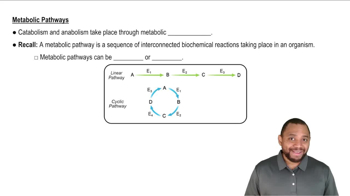
Ethylene glycol is metabolized in the liver through a series of enzymatic reactions. Initially, it is converted to glycolic acid and then to oxalic acid, which is highly toxic. Understanding this metabolic pathway is crucial for grasping how ethylene glycol ingestion leads to toxicity and the subsequent health risks associated with oxalic acid.
추천 영상:
가이드 코스
0:52
Metabolic Pathways Concept 2

Ethanol as an Antidote

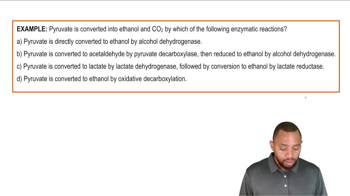
Ethanol is used as an antidote for ethylene glycol poisoning because it competes with ethylene glycol for the same enzyme, alcohol dehydrogenase. By inhibiting this enzyme, ethanol slows down the conversion of ethylene glycol into its toxic metabolites, thereby reducing the formation of oxalic acid and mitigating its harmful effects on the body.
추천 영상:
가이드 코스
2:09
Anaerobic Respiration Example 2

Toxicity of Oxalic Acid

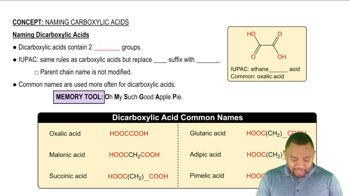
Oxalic acid is a toxic compound that can lead to severe metabolic acidosis and kidney damage when present in high concentrations. It binds to calcium in the body, forming insoluble calcium oxalate crystals, which can precipitate in the kidneys and cause renal failure. Understanding the toxicity of oxalic acid is essential for recognizing the urgency of treating ethylene glycol poisoning.
추천 영상:
가이드 코스
2:21
Naming Dicarboxylic Acids Concept 3
관련 실천
교과서 질문

Adults who are lactose intolerant cannot break down the disaccharide in milk products. To help digest dairy food, a product known as Lactaid can be given prior to consuming dairy products. (16.4, 16.5)

b. What might happen to the enzyme if the Lactaid were stored at 55 °C?

35
views
교과서 질문

Ethylene glycol (HO—CH2—CH2—OH) is a major component of antifreeze. If ingested, it is first converted to HOOC—CHO (oxoethanoic acid) and then to HOOC—COOH (oxalic acid), which is toxic.

<IMAGE>

a. What class of enzyme catalyzes the reactions described?

1128
views
교과서 질문

Adults who are lactose intolerant cannot break down the disaccharide in milk products. To help digest dairy food, a product known as Lactaid can be given prior to consuming dairy products. (16.4, 16.5)

a. What is the name of enzyme present in Lactaid, and what is the major class of this enzyme?

28
views
교과서 질문

In humans, the antibiotic amoxicillin (a type of penicillin) is used to treat certain bacterial infections.

c. Is amoxicillin a reversible or irreversible inhibitor?

813
views
교과서 질문

In humans, the antibiotic amoxicillin (a type of penicillin) is used to treat certain bacterial infections.

a. Does the antibiotic inhibit enzymes in humans?

746
views
교과서 질문

Fresh pineapple contains the enzyme bromelain that hydrolyzes peptide bonds in proteins.

<IMAGE>

a. The directions for a gelatin (protein) dessert say not to add fresh pineapple. However, canned pineapple where pineapple is heated to high temperatures can be added. Why?

1056
views