Ch.17 Nucleic Acids and Protein Synthesis
Timberlake - Chemistry: An Introduction to General, Organic, and Biological Chemistry 14th Edition
Timberlake14th EditionChemistry: An Introduction to General, Organic, and Biological ChemistryISBN: 9781292472249당신이 사용하는 게 아니라요?교과서 변경
17장, 문제 79a

A specific virus contains RNA as its genetic material.
a. Why might reverse transcription be used in the life cycle of this type of virus?

검증된 단계별 안내
1
Understand the concept of reverse transcription: Reverse transcription is a process where RNA is converted into complementary DNA (cDNA) using the enzyme reverse transcriptase. This is the opposite of the usual transcription process where DNA is transcribed into RNA.
Recognize the role of RNA in the virus: In RNA viruses, RNA serves as the genetic material. Some RNA viruses, known as retroviruses, use reverse transcription as part of their replication cycle.
Explain why reverse transcription is necessary: Reverse transcription allows the RNA genome of the virus to be converted into DNA, which can then integrate into the host cell's genome. This integration is crucial for the virus to replicate and produce new viral particles.
Discuss the enzyme involved: The enzyme reverse transcriptase is responsible for catalyzing the conversion of RNA into DNA. This enzyme is encoded by the virus and is essential for its life cycle.
Connect to the broader implications: Once the viral DNA is integrated into the host genome, the host's cellular machinery can be used to transcribe and translate the viral genes, leading to the production of new viruses. This process is a key feature of retroviruses like HIV.

비슷한 문제에 대한 검증된 영상 답변:

이 영상 해법은 위 문제에 도움이 된다고 튜터들이 추천한 것입니다.
영상 길이:
3m
도움이 되었나요?

주요 개념

질문에 올바르게 답하기 위해 반드시 이해해야 하는 핵심 개념들은 다음과 같습니다.

Reverse Transcription

Reverse transcription is the process by which RNA is converted into DNA by the enzyme reverse transcriptase. This is crucial for RNA viruses, particularly retroviruses, as it allows them to integrate their genetic material into the host's DNA, facilitating replication and propagation of the virus within the host cell.
추천 영상:
가이드 코스
6:37
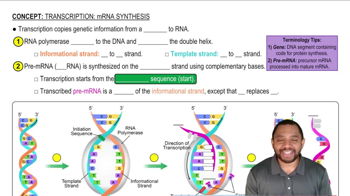
Transcription: mRNA Synthesis Concept 1

RNA Viruses

RNA viruses are a class of viruses that use RNA as their genetic material instead of DNA. They can be single-stranded or double-stranded and often rely on host cellular machinery for replication. Understanding their life cycle is essential for developing antiviral strategies and treatments.
추천 영상:
가이드 코스
2:43
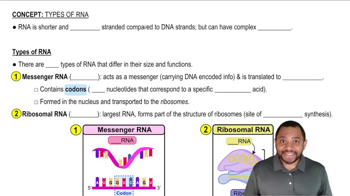
Types of RNA Concept 1

Viral Life Cycle

The viral life cycle encompasses the stages a virus undergoes to infect a host and replicate. This includes attachment, entry, replication, assembly, and release. For RNA viruses, reverse transcription plays a pivotal role in converting their RNA genome into DNA, which can then be integrated into the host genome, allowing for persistent infection.
추천 영상:
가이드 코스
02:09
Radioactive Half-Life Concept 1