Sometimes clothes cling together when removed from a dryer. What kinds of charges are on the clothes?
검증된 단계별 안내
1
Understand that when clothes cling together, it is due to static electricity, which involves the transfer of electrons between materials.
Recognize that during the drying process, clothes rub against each other, causing electrons to be transferred from one piece of clothing to another.
Identify that the piece of clothing that loses electrons becomes positively charged, while the piece that gains electrons becomes negatively charged.
Recall that opposite charges attract each other, which is why the clothes cling together.
Conclude that the clinging is due to the presence of opposite charges on the clothes, resulting from the transfer of electrons during the drying process.
비슷한 문제에 대한 검증된 영상 답변:
이 영상 해법은 위 문제에 도움이 된다고 튜터들이 추천한 것입니다.
영상 길이:
1m
영상 재생:
0 댓글
주요 개념
질문에 올바르게 답하기 위해 반드시 이해해야 하는 핵심 개념들은 다음과 같습니다.
Static Electricity
Static electricity is the buildup of electric charge on the surface of objects, which occurs when electrons are transferred between materials through friction. In the context of clothes in a dryer, this transfer can lead to an imbalance of charges, causing some items to become positively charged and others negatively charged, resulting in attraction between them.
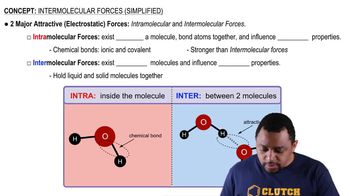
Electrostatic forces are the interactions between charged objects. Like charges repel each other, while opposite charges attract. When clothes with different charges come into contact, they can cling together due to these attractive forces, which is why you may notice them sticking when removed from the dryer.
Different materials have varying tendencies to gain or lose electrons, which is described by the triboelectric series. This series ranks materials based on their ability to become charged through friction. Understanding which materials are more likely to become positively or negatively charged helps explain why certain fabrics cling together after being dried.

 1:39분
1:39분 검증된 단계별 안내

 01:02
01:02