You are collecting a clinical sample for microbiological analysis. Which of the following is the most important thing you must do? a. Follow aseptic protocols. b. Refrigerate the samples immediately after collection. c. Determine if the potential pathogen is an aerobe or strict anaerobe. d. Determine if normal flora have been removed before the sample is collected.
검증된 단계별 안내
1
Step 1: Understand the goal of collecting a clinical sample for microbiological analysis, which is to obtain a specimen that accurately represents the infection or condition without contamination.
Step 2: Recognize that following aseptic protocols is crucial to prevent contamination of the sample by external microorganisms, which could lead to false results or misdiagnosis.
Step 3: Consider that while refrigerating samples (option b) can be important for preserving some specimens, it is secondary to ensuring the sample is collected properly and uncontaminated.
Step 4: Note that determining if the pathogen is an aerobe or anaerobe (option c) is important for culturing but comes after proper sample collection.
Step 5: Understand that removing normal flora (option d) is not always possible or necessary before collection; the key is to avoid contamination during collection by following aseptic techniques.
비슷한 문제에 대한 검증된 영상 답변:
이 영상 해법은 위 문제에 도움이 된다고 튜터들이 추천한 것입니다.
영상 길이:
2m
영상 재생:
0 댓글
주요 개념
질문에 올바르게 답하기 위해 반드시 이해해야 하는 핵심 개념들은 다음과 같습니다.
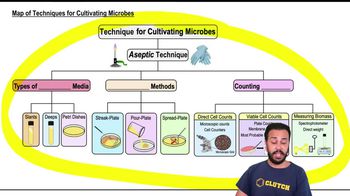
Aseptic Technique
Aseptic technique involves procedures that prevent contamination of clinical samples by unwanted microorganisms. It is crucial during sample collection to ensure that the results reflect the true microbial content of the specimen, avoiding false positives or misleading data.
Proper handling and storage of clinical samples, such as refrigeration, help preserve the viability of microorganisms and prevent overgrowth or death of pathogens. However, immediate refrigeration is not always the first priority compared to preventing contamination.
Understanding the presence of normal flora and differentiating pathogens is important for accurate diagnosis. However, removing normal flora before collection is often impractical; instead, correct collection techniques and interpretation help distinguish pathogens from normal microbiota.

 2:21분
2:21분 검증된 단계별 안내
 02:05
02:05