Skip to main content
Microbiology
나의 코스
배우기
시험 준비
AI 튜터
학습 가이드
교과서적 해결책
플래시카드
탐험해 보세요
앱을 사용해 보세요
나의 코스
배우기
시험 준비
AI 튜터
학습 가이드
교과서적 해결책
플래시카드
탐험해 보세요
앱을 사용해 보세요
뒤로
Importance of Microorganisms definitions
카드를 뒤집기 위해 탭할 수 있습니다.
Microorganisms
카드를 뒤집기 위해 탭할 수 있습니다.
👆
Microorganisms
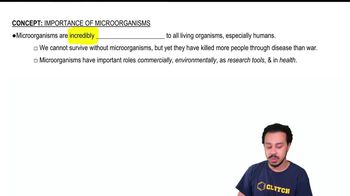
Microscopic living entities essential for life, impacting health, environment, industry, and scientific research.
진행 상황 추적
컨트롤 버튼이 '내비게이션' 모드로 변경되었습니다.
1/15
관련 플래시카드
관련 실천
추천 영상
Importance of Microorganisms quiz #1
Importance of Microorganisms
24 용어
Importance of Microorganisms
1. Introduction to Microbiology
7 문제점
주제
Monica
Scientific Method
1. Introduction to Microbiology
3 문제점
주제
Brendan
1. Introduction to Microbiology - Part 1 of 2
5 주제
14 문제점
장
Monica
1. Introduction to Microbiology - Part 2 of 2
6 주제
14 문제점
장
Brendan
04:27
Environmental Benefits of Microorganisms
3949
views
68
rank
01:25
Importance of Microorganisms
4960
views
84
rank
03:48
Microorganisms as Research Tools
3684
views
55
rank
이 집합의 용어 (15)
하이드의 정의
Microorganisms
Microscopic living entities essential for life, impacting health, environment, industry, and scientific research.
Human Microbiota
Trillions of microbes residing on and within humans, crucial for health maintenance and pathogen defense.
Pathogens
Disease-causing microbes capable of harming humans, including bacteria, fungi, protozoa, and viruses.
Antibiotics
Microbe-derived substances used to inhibit or destroy harmful bacteria, vital in treating bacterial infections.
Biofuels
Energy sources produced by microbial activity, offering renewable alternatives for powering vehicles.
Nitrogen Fixation
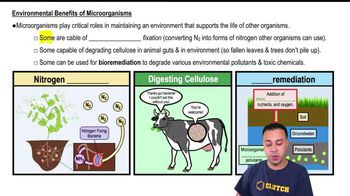
Conversion of atmospheric nitrogen into usable forms like ammonia by certain bacteria, supporting plant growth.
Cellulose Degradation
Breakdown of plant polysaccharides by microbes, enabling digestion in animals and decomposition in nature.
Bioremediation
Use of microbes to detoxify and degrade environmental pollutants, restoring contaminated sites.
Model Organisms
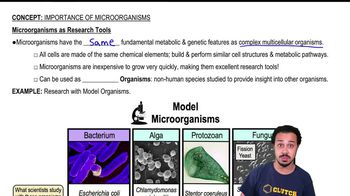
Nonhuman species, often microbes, studied to gain insights into biological processes relevant to other organisms.
Normal Flora
Microbial population naturally inhabiting the human body, supporting health and outcompeting pathogens.
Food Production
Industrial use of microbes to create consumables like bread, beer, yogurt, and cheese.
Dietary Supplements
Nutritional products enhanced or produced by microbes to support human health.
Insecticides
Microbe-derived agents used to protect crops by targeting and controlling insect pests.
Plastics
Synthetic materials whose production can involve microbial processes, offering alternatives to traditional methods.
Human Microbiome Project
Coordinated research initiative using advanced technology to characterize microbes inhabiting humans.
 뒤로뒤로
뒤로뒤로
 04:27
04:27