Skip to main content
Microbiology
나의 코스
배우기
시험 준비
AI 튜터
학습 가이드
교과서적 해결책
플래시카드
탐험해 보세요
앱을 사용해 보세요
나의 코스
배우기
시험 준비
AI 튜터
학습 가이드
교과서적 해결책
플래시카드
탐험해 보세요
앱을 사용해 보세요
뒤로
Introduction to Chemical Bonding definitions
카드를 뒤집기 위해 탭할 수 있습니다.
Chemical Bond
카드를 뒤집기 위해 탭할 수 있습니다.
👆
Chemical Bond
Attractive force holding atoms together, enabling the formation of molecules and compounds with distinct properties.
진행 상황 추적
컨트롤 버튼이 '내비게이션' 모드로 변경되었습니다.
1/14
관련 플래시카드
관련 실천
추천 영상
Introduction to Chemical Bonding quiz
Introduction to Chemical Bonding
15 용어
Introduction to Chemical Bonding
3. Chemical Principles of Microbiology
6 문제점
주제
Brendan
Covalent Bonds
3. Chemical Principles of Microbiology
4 문제점
주제
Monica
3. Chemical Principles of Microbiology
7 주제
12 문제점
장
Nicole
04:01
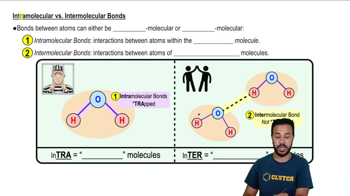
Intramolecular vs. Intermolecular Bonds
23926
views
473
rank
02:42
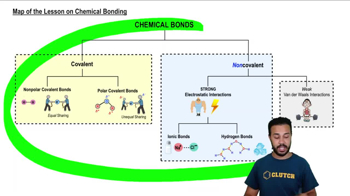
Map of the Lesson on Chemical Bonding
22731
views
320
rank
06:53
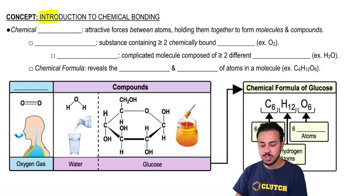
Introduction to Chemical Bonding
32255
views
661
rank
이 집합의 용어 (14)
하이드의 정의
Chemical Bond
Attractive force holding atoms together, enabling the formation of molecules and compounds with distinct properties.
Molecule
Substance containing two or more chemically bound atoms, which may be of the same or different elements.
Compound
Specific molecule type composed of at least two different elements chemically bonded together.
Element
Pure substance consisting of only one type of atom, such as hydrogen, oxygen, or carbon.
Atom
Smallest unit of an element, serving as the fundamental building block for molecules and compounds.
Chemical Formula
Notation revealing the number and type of atoms present in a molecule or compound, such as H2O or C6H12O6.
Intramolecular Bond
Interaction occurring between atoms within the same molecule, effectively 'trapping' them together.
Intermolecular Bond
Interaction occurring between atoms of different molecules, connecting separate molecular units.
Covalent Bond
Type of chemical bond where atoms share electron pairs, forming stable connections within molecules.
Nonpolar Covalent Bond
Covalent bond with equal sharing of electrons between atoms, resulting in no charge separation.
Polar Covalent Bond
Covalent bond with unequal electron sharing, creating partial positive and negative charges within the molecule.
Noncovalent Bond
Chemical interaction not involving electron sharing, including ionic and hydrogen bonds.
Ionic Bond
Strong electrostatic attraction between oppositely charged ions, often forming crystalline structures.
Hydrogen Bond
Weak attraction between a hydrogen atom in one molecule and an electronegative atom in another molecule.
 뒤로뒤로
뒤로뒤로
 04:01
04:01