Skip to main content
Microbiology
나의 코스
배우기
시험 준비
AI 튜터
학습 가이드
교과서적 해결책
플래시카드
탐험해 보세요
앱을 사용해 보세요
나의 코스
배우기
시험 준비
AI 튜터
학습 가이드
교과서적 해결책
플래시카드
탐험해 보세요
앱을 사용해 보세요
뒤로
Microbiology Final Exam Study Guide
카드를 뒤집기 위해 탭할 수 있습니다.
Structure and normal defenses of the digestive system
카드를 뒤집기 위해 탭할 수 있습니다.
👆
Structure and normal defenses of the digestive system
Includes mouth, glands, teeth, Peyer’s patches, and microbiota. Defenses are physical and chemical: saliva, mucus, stomach acid, and normal microbiota.
진행 상황 추적
컨트롤 버튼이 '내비게이션' 모드로 변경되었습니다.
1/25
추천 영상
VideoThumbView.guidedCourse
04:54
Normal Microbiota of the Digestive Tract
141
views
4
rank
이 집합의 용어 (25)
하이드의 정의
Structure and normal defenses of the digestive system
Includes mouth, glands, teeth, Peyer’s patches, and microbiota. Defenses are physical and chemical: saliva, mucus, stomach acid, and normal microbiota.
Common oral cavity infections
Dental caries, gingivitis, periodontitis, trench mouth, herpes simplex, thrush, and mumps.
Bacterial gastrointestinal infections examples
Salmonella, Shigellosis, Typhoid fever, E. coli, Vibrio cholerae, Helicobacter pylori (peptic ulcers), and antibiotic-associated diarrhea.
Role of toxins in gastrointestinal infections
Toxins cause diarrhea and dehydration by disrupting intestinal cells and fluid balance.
Clostridioides difficile infection
Causes antibiotic-associated diarrhea by disrupting normal gut microbiota.
Viral gastrointestinal infections
Rotavirus and hepatitis viruses A through E.
Parasitic gastrointestinal infections
Protozoa: Cryptosporidium, Cyclosporiasis; Helminths: ascariasis, hookworms, pinworms, roundworms, tapeworms, flukes.
Transmission routes of digestive system infections
Foodborne, waterborne, and fecal-oral routes.
Prevention of foodborne diseases
Sanitation, proper cooking, and good hygiene practices.
Key components of the circulatory and lymphatic systems
Blood, lymphatic vessels, lymph nodes, and spleen.
Definitions: bacteremia, septicemia, viremia, toxemia
Bacteremia
: bacteria in blood
Septicemia
: blood infection causing systemic illness
Viremia
: viruses in blood
Toxemia
: toxins in blood
Examples of bacterial blood infections
Sepsis, Toxic Shock Syndrome, Streptococcal Toxic Shock-Like Syndrome, puerperal sepsis, infectious arthritis, osteomyelitis, rheumatic fever, endocarditis, pericarditis, gas gangrene.
Zoonotic vector-borne diseases
Tularemia, brucellosis, cat scratch disease, rat bite fever, plague, Lyme disease, Rocky Mountain spotted fever.
Viral infections affecting blood and lymph
Mononucleosis, Burkitt Lymphoma, Cytomegalovirus, Ebola, HIV, yellow fever, dengue, chikungunya.
Parasitic infections of circulatory and lymphatic systems
Protozoa: malaria, toxoplasmosis, Chagas disease; Helminths: Schistosomiasis.
Transmission of vector-borne diseases
Via arthropod vectors such as ticks, mosquitoes, and fleas.
Structure and protective features of the nervous system
Includes CNS, PNS, meninges, cerebrospinal fluid, neurons, and the blood-brain barrier.
How pathogens bypass the blood-brain barrier
Through bloodstream, nerves, or trauma.
Major bacterial nervous system infections
Meningococcal meningitis, pneumococcal meningitis, tetanus, listeriosis, Hansen’s Disease (Leprosy).
Toxin-mediated nervous system diseases
Tetanus and botulism caused by neurotoxins affecting muscle control.
Viral nervous system infections
Arboviruses (e.g., Western Equine Encephalitis), Zika, Rabies, Poliomyelitis.
Prion diseases of the nervous system
Transmissible Spongiform Encephalopathies.
Fungal nervous system infection example
Cryptococcal meningitis.
Parasitic nervous system infections
Amoebic meningitis, Granulomatous Amoebic Encephalitis, Human African Trypanosomiasis, Neurotoxoplasmosis, Neurocysticercosis.
Prevention of nervous system infections
Vaccination (meningitis, polio, rabies), sanitation, and vector control.
 뒤로
뒤로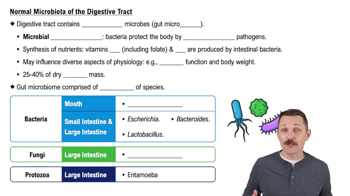
 04:54
04:54