 뒤로
뒤로Microbiology: Human Immune Defenses and Cells
 05:52
05:52
이 집합의 용어 (24)
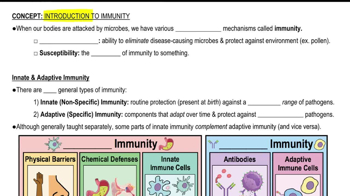
Include the dermis (connective tissue), epidermis (keratinized epithelial cells), mucous membranes, mucus, lacrimal apparatus, ciliary escalator, epiglottis, earwax, urine flow, vaginal secretions, and physical removal mechanisms like peristalsis, defecation, vomiting, and diarrhea.
Include sebum (lowers skin pH to 3-5), lysozyme (destroys bacterial cell walls, especially gram-positive), gastric juice (pH 1.2-3.0), and vaginal secretions (low pH inhibits microbes).
Compete with pathogens via microbial antagonism, producing harmful substances, altering conditions, preventing harmful microbe overgrowth, and aiding immune system development.
A relationship where one organism benefits and the host is unharmed.
E. coli, S. aureus, S. epidermidis, Enterococcus faecalis, and Pseudomonas aeruginosa.
Erythrocytes carry oxygen, leukocytes fight infection, and platelets stop blood loss.
The creation of blood cells.
Neutrophils: highly phagocytic, early infection responders.
Basophils: release histamine, involved in allergies.
Eosinophils: phagocytic, toxic to parasites and helminths.
Monocytes: mature into macrophages, phagocytic.
Dendritic cells: phagocytic, found in skin and mucous membranes.
Lymphocytes: T cells, B cells, and NK cells involved in adaptive immunity.
Collects leaked fluid from blood, transports it through lymph nodes where immune cells encounter and destroy pathogens.
Chemotaxis, adherence, ingestion, and digestion of microbes by phagocytes.
Pain, Redness, Swelling, Heat, and Loss of function.
Vasodilation and increased permeability, phagocyte migration and phagocytosis, and tissue repair/healing.
Both terms refer to immunity developed after exposure to antigens; adaptive immunity is the body's specific response, also called acquired immunity.
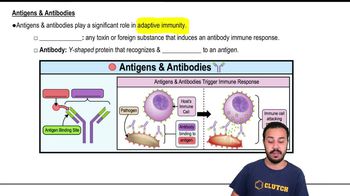
Substances that cause antibody production; foreign to the body, including microbes, pollen, and transplant molecules.
A small molecule that cannot trigger antibody production unless attached to a carrier molecule.
Antibodies are Y-shaped proteins with 4 chains; classes include IgG, IgM, IgA, IgD, and IgE, each with distinct functions and locations.
Monomer, 80% of serum antibodies, found in blood, lymph, intestine; cross placenta, activate complement, enhance phagocytosis, neutralize toxins and viruses.
Pentamer with 10 binding sites, 6% serum antibodies, stays in blood vessels; first responder, causes agglutination, activates complement.
Monomer in blood, dimer in secretions; 13% serum antibodies; found in mucous membranes, saliva, tears, breast milk; prevents microbial attachment.
Include affinity, agglutination (clumping), opsonization (enhanced phagocytosis), and complement activation.
CD4+ (Th): helper cells activating B cells; CD8+ (CTL): cytotoxic cells killing virus-infected cells; NK cells: destroy infected and tumor cells without antigen specificity.
Interleukins: leukocyte communication.
Chemokines: leukocyte chemotaxis.
Interferons: interfere with viral infections.
Tumor necrosis factor alpha: inflammation.
Hematopoietic cytokines: control blood cell development.
An excessive immune response causing uncontrolled bleeding and clotting, often dangerous and difficult to control.