Ch. 2 - The Chemistry of Microbiology
Bauman - Microbiology with Diseases by Taxonomy 6th Edition
Bauman6th EditionMicrobiology with Diseases by TaxonomyISBN: 9780134832302당신이 사용하는 게 아니라요?교과서 변경
2장, 문제 4

Common long-term energy storage molecules are __________ , __________ , __________ , and __________.

검증된 단계별 안내
1
Identify the types of molecules that organisms commonly use for long-term energy storage by recalling the main biochemical categories involved in energy storage.
Recognize that carbohydrates, lipids, and proteins can serve as energy storage molecules, but some are more commonly used for long-term storage due to their structure and energy density.
List carbohydrates such as glycogen (in animals) and starch (in plants) as common long-term energy storage molecules because they are polysaccharides that can be broken down to release glucose.
Include lipids, specifically triglycerides (fats and oils), which are highly efficient for long-term energy storage due to their high energy content per gram and hydrophobic nature.
Consider other molecules like waxes or specialized storage molecules in certain organisms, but focus primarily on glycogen, starch, triglycerides, and possibly polyhydroxyalkanoates (PHAs) in bacteria as common examples.

비슷한 문제에 대한 검증된 영상 답변:

이 영상 해법은 위 문제에 도움이 된다고 튜터들이 추천한 것입니다.
영상 길이:
1m

주요 개념

질문에 올바르게 답하기 위해 반드시 이해해야 하는 핵심 개념들은 다음과 같습니다.

Energy Storage Molecules

Energy storage molecules are compounds that organisms use to store energy for later use. These molecules are typically stable, high-energy compounds that can be metabolized when energy is needed. Understanding these molecules is essential for grasping how cells manage energy resources over time.
추천 영상:
04:58
Introduction to Energy

Types of Long-Term Energy Storage Molecules

Common long-term energy storage molecules include carbohydrates like glycogen and starch, lipids such as triglycerides, and sometimes proteins in specific contexts. These molecules differ in structure and energy density, with lipids generally storing more energy per gram than carbohydrates.
추천 영상:
04:55
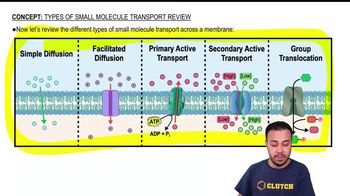
Types of Small Molecule Transport Review

Biological Roles and Examples

Each energy storage molecule serves specific biological roles: glycogen stores energy in animals, starch in plants, and triglycerides store energy in fat cells. These molecules provide a reservoir of energy that can be mobilized during periods of fasting or increased energy demand.
추천 영상:
02:21
Cell Envelope & Biological Membranes Example 1