Ch. 19 - Digestive System Infections
Norman-McKay- Microbiology: Basic and Clinical Principles 2nd Edition
Norman-McKay2nd EditionMicrobiology: Basic and Clinical PrinciplesISBN: 9780137661619당신이 사용하는 게 아니라요?교과서 변경
15장, 문제 13

What animals generally serve as the source of Escherichia coli O157:H7 for human infection?

검증된 단계별 안내
1
Understand that Escherichia coli O157:H7 is a pathogenic strain of E. coli that can cause serious foodborne illness in humans.
Recognize that this strain is commonly found in the intestines of certain animals without causing them harm, acting as reservoirs.
Identify that cattle are the primary animal reservoir for E. coli O157:H7, meaning they carry the bacteria and can contaminate meat or other products.
Note that other ruminants such as sheep and goats can also carry this strain, but cattle are the most significant source for human infections.
Understand that contamination typically occurs through consumption of undercooked beef, unpasteurized milk, or contact with environments contaminated by these animals.

비슷한 문제에 대한 검증된 영상 답변:

이 영상 해법은 위 문제에 도움이 된다고 튜터들이 추천한 것입니다.
영상 길이:
3m

주요 개념

질문에 올바르게 답하기 위해 반드시 이해해야 하는 핵심 개념들은 다음과 같습니다.

Escherichia coli O157:H7

Escherichia coli O157:H7 is a pathogenic strain of E. coli bacteria that produces Shiga toxin, causing severe foodborne illness in humans. It is known for causing symptoms like bloody diarrhea and hemolytic uremic syndrome, making it a significant public health concern.
추천 영상:
04:12
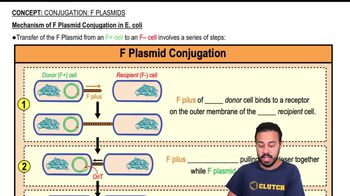
Mechanism of F Plasmid Conjugation in E. coli

Animal Reservoirs of E. coli O157:H7

Certain animals, especially ruminants like cattle, serve as natural reservoirs for E. coli O157:H7. These animals carry the bacteria in their intestines without showing symptoms, and the bacteria can contaminate meat, milk, or the environment, leading to human infection.
추천 영상:
04:12
Mechanism of F Plasmid Conjugation in E. coli

Transmission Pathways to Humans

Humans typically acquire E. coli O157:H7 through ingestion of contaminated food or water, often linked to undercooked beef or contact with animal feces. Understanding these transmission routes is crucial for preventing infection and controlling outbreaks.
추천 영상:
03:25
The Human Microbiome