Ch. 19 - Digestive System Infections
Norman-McKay- Microbiology: Basic and Clinical Principles 2nd Edition
Norman-McKay2nd EditionMicrobiology: Basic and Clinical PrinciplesISBN: 9780137661619당신이 사용하는 게 아니라요?교과서 변경
15장, 문제 21

Which of the following is most controversial for a nonseptic patient with E. coli O157:H7?
a. Administering oral rehydration therapy
b. Administering antibiotic therapy
c. Administering fever-reducing medications
d. Administering intravenous rehydration therapy
e. Withholding agents like diphenoxylate-atropine that reduce GI tract motility

검증된 단계별 안내
1
Step 1: Understand the clinical context of E. coli O157:H7 infection, which is a strain known to cause severe gastrointestinal illness, including hemorrhagic colitis and hemolytic uremic syndrome (HUS).
Step 2: Recognize that in nonseptic patients (those without systemic infection), treatment focuses on supportive care rather than aggressive interventions.
Step 3: Review the role of antibiotics in E. coli O157:H7 infections. Antibiotic therapy is controversial because it may increase the risk of HUS by causing bacterial lysis and release of toxins.
Step 4: Consider the safety and appropriateness of other options: oral and intravenous rehydration are standard supportive treatments; fever reducers are generally safe; and agents that reduce GI motility are usually withheld to avoid prolonging toxin exposure.
Step 5: Conclude that among the options, administering antibiotic therapy is the most controversial choice for a nonseptic patient with E. coli O157:H7 due to potential risks outweighing benefits.

비슷한 문제에 대한 검증된 영상 답변:

이 영상 해법은 위 문제에 도움이 된다고 튜터들이 추천한 것입니다.
영상 길이:
2m

주요 개념

질문에 올바르게 답하기 위해 반드시 이해해야 하는 핵심 개념들은 다음과 같습니다.

E. coli O157:H7 Pathogenesis and Clinical Presentation

E. coli O157:H7 is a shiga-toxin producing strain causing severe gastrointestinal illness, often with bloody diarrhea. It can lead to complications like hemolytic uremic syndrome (HUS), especially in children. Understanding its pathogenesis helps explain why certain treatments may be risky or beneficial.
추천 영상:
04:12
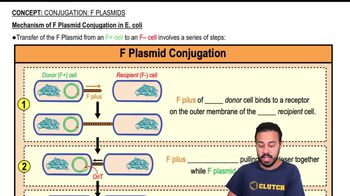
Mechanism of F Plasmid Conjugation in E. coli

Controversy of Antibiotic Use in E. coli O157:H7 Infections

Antibiotic therapy in E. coli O157:H7 infections is controversial because some studies suggest antibiotics may increase toxin release, raising the risk of HUS. Therefore, antibiotics are generally avoided unless absolutely necessary, highlighting the importance of cautious treatment decisions.
추천 영상:
03:52
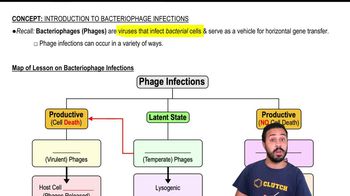
Map of Lesson on Bacteriophage Infections

Supportive Care and Management of E. coli O157:H7

Supportive care, including oral or intravenous rehydration, is the mainstay treatment for E. coli O157:H7 infections. Fever reducers and agents that slow GI motility are used cautiously or avoided to prevent worsening symptoms or complications, emphasizing the focus on symptom management rather than aggressive interventions.
추천 영상:
04:12
Mechanism of F Plasmid Conjugation in E. coli