

Ch. 23 - Microbial Diseases of the Cardiovascular and Lymphatic Systems
Tortora - Microbiology: An Introduction 14th Edition
Tortora14th EditionMicrobiology: An IntroductionISBN: 9780138200398당신이 사용하는 게 아니라요?교과서 변경
19장, 문제 1

Use the following choices to answer the question given below:
a. Ehrlichiosis
b. Lyme disease
c. Septic shock
d. Toxoplasmosis
e. Viral hemorrhagic fever
A patient presents with a history of fever and headache. Bacterial cultures of blood, CSF, and stool are negative. What is your diagnosis?

검증된 단계별 안내
1
Step 1: Analyze the patient's symptoms and test results. The patient has fever and headache, which are common symptoms in many infections, but bacterial cultures of blood, cerebrospinal fluid (CSF), and stool are negative, suggesting the infection is not caused by typical bacteria detectable in these samples.
Step 2: Review the list of possible diagnoses: a. ehrlichiosis, b. Lyme disease, c. septic shock, d. toxoplasmosis, e. viral hemorrhagic fever. Consider which of these conditions typically present with fever and headache but do not usually yield positive bacterial cultures in blood, CSF, or stool.
Step 3: Understand that septic shock (option c) is a severe systemic response to bacterial infection and would likely have positive bacterial cultures, so it is less likely here.
Step 4: Recognize that ehrlichiosis (option a) and Lyme disease (option b) are tick-borne illnesses caused by bacteria that are difficult to culture using standard methods, often leading to negative bacterial cultures despite infection.
Step 5: Consider toxoplasmosis (option d) and viral hemorrhagic fever (option e), which are caused by protozoa and viruses respectively, and would not show positive bacterial cultures. Use clinical context and epidemiology to narrow down the diagnosis.

비슷한 문제에 대한 검증된 영상 답변:

이 영상 해법은 위 문제에 도움이 된다고 튜터들이 추천한 것입니다.
영상 길이:
2m

주요 개념

질문에 올바르게 답하기 위해 반드시 이해해야 하는 핵심 개념들은 다음과 같습니다.

Differential Diagnosis of Fever and Headache

Fever and headache are common symptoms with many causes, including infections. When bacterial cultures are negative, it suggests a non-bacterial cause such as viral, parasitic, or tick-borne diseases. Understanding the range of possible etiologies helps narrow down the diagnosis.
추천 영상:
03:57
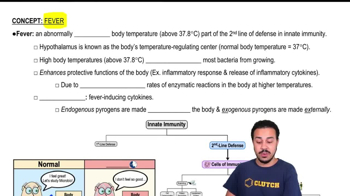
Fever

Limitations of Bacterial Cultures

Bacterial cultures detect bacterial pathogens in blood, CSF, or stool but cannot identify viral or certain parasitic infections. Negative cultures indicate that bacteria are unlikely the cause, prompting consideration of other infectious agents like viruses or intracellular bacteria that require different diagnostic methods.
추천 영상:
02:58
Growing a Pure Culture

Characteristics of Tick-borne and Parasitic Diseases

Diseases like ehrlichiosis, Lyme disease, and toxoplasmosis often present with fever and headache but may not show positive bacterial cultures. These infections are caused by intracellular bacteria or parasites, requiring serology or molecular tests for diagnosis, and are important considerations when cultures are negative.
추천 영상:
05:09
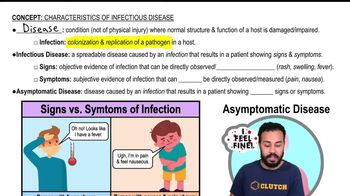
Intro to Characteristics of Infectious Disease