Ch. 25 - Microbial Diseases of the Digestive System
Tortora - Microbiology: An Introduction 14th Edition
Tortora14th EditionMicrobiology: An IntroductionISBN: 9780138200398당신이 사용하는 게 아니라요?교과서 변경
21장, 문제 10

Cysts of this flagellated organism survive in water; when ingested, the trophozoite grows in the intestine, causing diarrhea.

검증된 단계별 안내
1
Identify the key characteristics described: the organism forms cysts that survive in water, is flagellated, and its trophozoite stage grows in the intestine causing diarrhea.
Recall common flagellated protozoan parasites that have a cyst stage and cause intestinal infections, such as Giardia lamblia.
Understand that cysts are the infectious form that can survive outside the host, especially in water, facilitating transmission.
Recognize that once ingested, the cysts transform into trophozoites in the intestine, where they multiply and cause symptoms like diarrhea.
Conclude that the organism described is likely Giardia lamblia, a flagellated protozoan known for waterborne transmission and causing giardiasis.

비슷한 문제에 대한 검증된 영상 답변:

이 영상 해법은 위 문제에 도움이 된다고 튜터들이 추천한 것입니다.

주요 개념

질문에 올바르게 답하기 위해 반드시 이해해야 하는 핵심 개념들은 다음과 같습니다.

Life Cycle of Flagellated Protozoa

Flagellated protozoa often have two main stages: the cyst and the trophozoite. The cyst is a dormant, resistant form that survives harsh conditions like water exposure, while the trophozoite is the active, feeding stage that multiplies in the host's intestine, causing symptoms such as diarrhea.
추천 영상:
01:37
Krebs Cycle

Transmission and Infection Route

Ingestion of cysts through contaminated water is a common transmission route for intestinal flagellates. Once inside the host, cysts excyst to release trophozoites, which colonize the intestine and lead to infection, highlighting the importance of water sanitation in preventing disease.
추천 영상:
04:23
Transmission Electron Microscope (TEM)

Pathogenesis and Clinical Manifestations

The trophozoite stage of flagellated protozoa causes intestinal damage or disrupts absorption, resulting in diarrhea. Understanding how the organism causes disease helps in diagnosing and managing infections, often involving symptoms like watery stools and abdominal discomfort.
추천 영상:
02:35
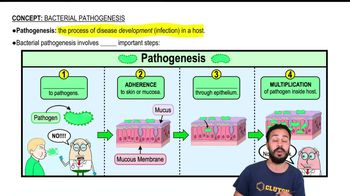
Intro to Bacterial Pathogenesis