Ch. 26 - Microbial Diseases of the Urinary and Reproductive Systems
Tortora - Microbiology: An Introduction 14th Edition
Tortora14th EditionMicrobiology: An IntroductionISBN: 9780138200398당신이 사용하는 게 아니라요?교과서 변경
22장, 문제 2

How are urinary tract infections acquired?

검증된 단계별 안내
1
Understand that urinary tract infections (UTIs) are typically caused by bacteria entering the urinary system, which includes the kidneys, ureters, bladder, and urethra.
Recognize that the most common route of acquisition is ascending infection, where bacteria from the external genitalia or perineal area travel up the urethra into the bladder and possibly further into the urinary tract.
Identify common risk factors that facilitate bacterial entry and colonization, such as poor hygiene, sexual activity, use of catheters, urinary retention, or anatomical abnormalities.
Note that the predominant causative agents are usually bacteria from the intestinal flora, especially Escherichia coli, which can colonize the periurethral area and ascend into the urinary tract.
Summarize that UTIs are acquired when bacteria overcome the body's natural defense mechanisms, such as urine flow and mucosal barriers, allowing infection to establish in the urinary tract.

비슷한 문제에 대한 검증된 영상 답변:

이 영상 해법은 위 문제에 도움이 된다고 튜터들이 추천한 것입니다.
영상 길이:
2m
도움이 되었나요?

주요 개념

질문에 올바르게 답하기 위해 반드시 이해해야 하는 핵심 개념들은 다음과 같습니다.

Pathogenesis of Urinary Tract Infections

Urinary tract infections (UTIs) occur when pathogenic microorganisms, primarily bacteria like Escherichia coli, enter and multiply within the urinary tract. The infection often begins in the urethra and can ascend to the bladder, ureters, and kidneys, causing inflammation and symptoms.
추천 영상:
02:35
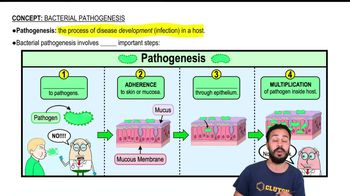
Intro to Bacterial Pathogenesis

Routes of Infection Acquisition

UTIs are commonly acquired via ascending infection, where bacteria from the periurethral area or gastrointestinal tract enter the urethra. Other routes include hematogenous spread from distant infections and instrumentation, such as catheterization, which can introduce pathogens directly.
추천 영상:
03:52
Map of Lesson on Bacteriophage Infections

Host Defense Mechanisms and Risk Factors

The urinary tract has natural defenses like urine flow, mucosal barriers, and immune responses to prevent infection. Factors such as urinary stasis, catheter use, female anatomy, and compromised immunity increase susceptibility to UTIs by facilitating bacterial colonization and invasion.
추천 영상:
01:59
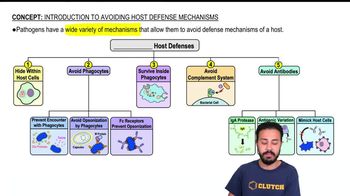
Introduction to Avoiding Host Defense Mechanisms