Ch. 27 - Environmental Microbiology
Tortora - Microbiology: An Introduction 14th Edition
Tortora14th EditionMicrobiology: An IntroductionISBN: 9780138200398당신이 사용하는 게 아니라요?교과서 변경
23장, 문제 1

For the following question, answer whether
a. The process takes place under aerobic conditions.
b. The process takes place under anaerobic conditions.
c. The amount of oxygen doesn’t make any difference.


Activated sludge system

검증된 단계별 안내
1
Step 1: Understand what an activated sludge system is. It is a wastewater treatment process that uses a mixture of microorganisms to break down organic matter in the presence of oxygen.
Step 2: Recall that the activated sludge process relies on aerobic bacteria, which require oxygen to metabolize organic pollutants effectively.
Step 3: Recognize that because aerobic bacteria are involved, oxygen must be supplied continuously to maintain their activity and ensure efficient treatment.
Step 4: Conclude that the process takes place under aerobic conditions, meaning oxygen is essential for the system to function properly.
Step 5: Therefore, the correct answer is that the activated sludge system operates under aerobic conditions.

비슷한 문제에 대한 검증된 영상 답변:

이 영상 해법은 위 문제에 도움이 된다고 튜터들이 추천한 것입니다.
영상 길이:
1m
도움이 되었나요?

주요 개념

질문에 올바르게 답하기 위해 반드시 이해해야 하는 핵심 개념들은 다음과 같습니다.

Activated Sludge System

An activated sludge system is a biological wastewater treatment process that uses aeration and a microbial biomass to degrade organic pollutants. It relies on microorganisms consuming organic matter in the presence of oxygen, forming flocs that can be separated from treated water.
추천 영상:
가이드 코스
02:37
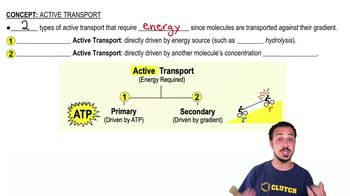
Active Transport

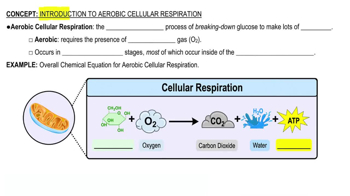
Aerobic Conditions

Aerobic conditions refer to environments where oxygen is present and available for microbial metabolism. In such conditions, aerobic microorganisms use oxygen as the terminal electron acceptor to break down organic compounds efficiently.
추천 영상:
가이드 코스
05:11
Introduction to Aerobic Cellular Respiration

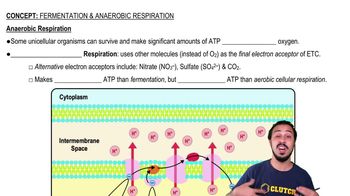
Anaerobic Conditions

Anaerobic conditions occur when oxygen is absent, and microorganisms use alternative electron acceptors like nitrate or sulfate. Anaerobic processes typically produce different byproducts such as methane or hydrogen sulfide and are slower than aerobic degradation.
추천 영상:
가이드 코스
03:35
Anaerobic Respiration