Skip to main content
Microeconomics
나의 코스
배우기
시험 준비
AI 튜터
학습 가이드
플래시카드
탐험해 보세요
앱을 사용해 보세요
나의 코스
배우기
시험 준비
AI 튜터
학습 가이드
플래시카드
탐험해 보세요
앱을 사용해 보세요
뒤로
Dynamic AD-AS Model: Inflation and Recession definitions
카드를 뒤집기 위해 탭할 수 있습니다.
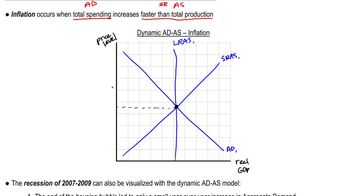
Inflation
카드를 뒤집기 위해 탭할 수 있습니다.
👆
Inflation
Occurs when total spending outpaces production, resulting in rising prices even as real GDP increases.
진행 상황 추적
컨트롤 버튼이 '내비게이션' 모드로 변경되었습니다.
1/15
관련 플래시카드
추천 영상
Dynamic AD-AS Model: Inflation and Recession quiz
Dynamic AD-AS Model: Inflation and Recession
15 용어
VideoThumbView.guidedCourse
06:30
Dynamic AD-AS Model: Recession
5
views
VideoThumbView.guidedCourse
04:05
Dynamic AD-AS Model: Inflation
7
views
이 집합의 용어 (15)
하이드의 정의
Inflation
Occurs when total spending outpaces production, resulting in rising prices even as real GDP increases.
Recession
Characterized by higher prices and lower GDP, often triggered by supply shocks and weak demand growth.
Aggregate Demand
Represents total spending in the economy, shifting right when spending increases, impacting price levels and output.
Short Run Aggregate Supply
Reflects total production in the short term, sensitive to supply shocks and can shift left or right, affecting equilibrium.
Long Run Aggregate Supply
Indicates potential GDP, shifting right over time due to factors like technology and labor force growth.
Price Level
Measures average prices in the economy, rising during inflation and often increasing during recessions with supply shocks.
Real GDP
Represents total output adjusted for price changes, increasing with economic growth but falling during recessions.
Equilibrium
Occurs where aggregate demand and aggregate supply curves intersect, determining price level and output.
Supply Shock
Unexpected event, such as rising oil prices, that shifts short run aggregate supply, impacting prices and GDP.
Potential GDP
Maximum sustainable output, increasing over time due to improvements in technology and labor resources.
Financial Crisis
Period of credit unavailability and reduced investment, leading to weak aggregate demand and economic downturn.
Housing Bubble
Rapid rise and fall in housing prices, whose collapse can trigger recessions by reducing aggregate demand.
Dynamic ADAS Model
Framework showing year-over-year shifts in demand and supply, used to analyze inflation and recession scenarios.
Credit
Funds available for borrowing, essential for investment; scarcity during crises reduces aggregate demand.
Investment
Spending by firms on capital, influenced by credit availability and affecting aggregate demand.
 뒤로뒤로
뒤로뒤로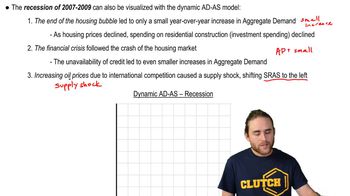
 06:30
06:30