Skip to main content
Microeconomics
나의 코스
배우기
시험 준비
AI 튜터
학습 가이드
플래시카드
탐험해 보세요
앱을 사용해 보세요
나의 코스
배우기
시험 준비
AI 튜터
학습 가이드
플래시카드
탐험해 보세요
앱을 사용해 보세요
뒤로
Shifting Short Run Aggregate Supply definitions
카드를 뒤집기 위해 탭할 수 있습니다.
Short Run Aggregate Supply
카드를 뒤집기 위해 탭할 수 있습니다.
👆
Short Run Aggregate Supply
Represents total output produced in an economy at various price levels, influenced by temporary factors and expectations.
진행 상황 추적
컨트롤 버튼이 '내비게이션' 모드로 변경되었습니다.
1/15
관련 플래시카드
추천 영상
Shifting Short Run Aggregate Supply quiz
Shifting Short Run Aggregate Supply
15 용어
VideoThumbView.guidedCourse
03:03
Shifting Short Run Aggregate Supply
4
views
VideoThumbView.guidedCourse
05:32
Factors Leading to Shifting Short Run Aggregate Supply
4
views
이 집합의 용어 (15)
하이드의 정의
Short Run Aggregate Supply
Represents total output produced in an economy at various price levels, influenced by temporary factors and expectations.
Price Level
Measures average prices of goods and services across the economy, serving as a key axis in aggregate supply analysis.
Real GDP
Reflects the quantity of goods and services produced, adjusted for inflation, and is used to track economic output.
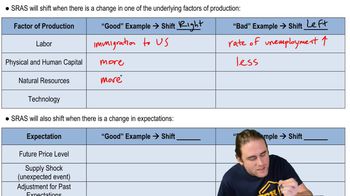
Labor
Denotes the workforce available for production; changes in its availability directly impact aggregate supply shifts.
Physical Capital
Includes machinery, buildings, and equipment used in production; increases enhance productive capacity and supply.
Human Capital
Represents skills, education, and expertise of workers; improvements boost productivity and aggregate supply.
Natural Resources
Comprises raw materials like oil, land, and minerals; greater access lowers production costs and shifts supply right.
Technology
Encompasses innovations and advancements that streamline production, typically causing supply to expand.
Expectations
Refers to firms' outlook on future price levels; optimistic forecasts prompt increased production and supply.
Supply Shock
Describes sudden, unexpected events affecting resource availability or costs, causing immediate supply curve shifts.
Market Equilibrium
Occurs when aggregate supply and demand intersect, determining the economy's price level and output.
Resource Scarcity
Indicates limited access to essential inputs, raising costs and shifting aggregate supply leftward.
Unemployment
Represents the portion of the labor force not employed; higher rates reduce available labor and supply.
Factors of Production
Includes labor, capital, and resources; their availability and quality drive aggregate supply changes.
Adjustment for Past Expectations
Involves correcting supply based on previous forecasts that proved inaccurate, realigning output accordingly.
 뒤로뒤로
뒤로뒤로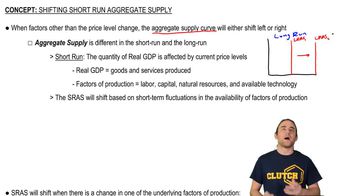
 03:03
03:03