Skip to main content
Microeconomics
나의 코스
배우기
시험 준비
AI 튜터
학습 가이드
플래시카드
탐험해 보세요
앱을 사용해 보세요
나의 코스
배우기
시험 준비
AI 튜터
학습 가이드
플래시카드
탐험해 보세요
앱을 사용해 보세요
뒤로
Sources of Comparative Advantage definitions
카드를 뒤집기 위해 탭할 수 있습니다.
Comparative Advantage
카드를 뒤집기 위해 탭할 수 있습니다.
👆
Comparative Advantage
Ability to produce goods at a lower opportunity cost than others, often shaped by unique national conditions.
진행 상황 추적
컨트롤 버튼이 '내비게이션' 모드로 변경되었습니다.
1/15
관련 플래시카드
관련 실천
추천 영상
Sources of Comparative Advantage quiz #1
Sources of Comparative Advantage
10 용어
Sources of Comparative Advantage
9. International Trade
10 문제점
주제
Tariffs on Imports
9. International Trade
10 문제점
주제
9. International Trade
5 주제
15 문제점
장
VideoThumbView.guidedCourse
06:08
Sources of Comparative Advantage
2648
views
27
rank
이 집합의 용어 (15)
하이드의 정의
Comparative Advantage
Ability to produce goods at a lower opportunity cost than others, often shaped by unique national conditions.
Opportunity Cost
Value of the next best alternative forgone when choosing to produce one good over another.
Climate
Environmental conditions that influence the suitability of a region for producing specific goods.
Factors of Production
Inputs such as land, labor, and capital that are used to create goods and services within a country.
Natural Resources
Materials like forests or minerals found within a country that can be used in production.
Labor
Human effort, both skilled and unskilled, available for producing goods and services.
Capital
Physical assets like machinery, tools, and infrastructure used to produce goods.
Specialized Labor
Workforce with advanced skills or expertise, often leading to higher-value production.
Unskilled Labor
Workforce with basic skills, suitable for tasks requiring large amounts of manual effort.
Technology
Methods and tools used to improve production efficiency or create new products.
Optimization
Process of refining production methods to increase efficiency and reduce costs.
External Economies
Benefits gained when industries cluster geographically, attracting talent and resources.
Geographical Location
Physical placement of industries or resources that can enhance production advantages.
Industry Cluster
Concentration of related businesses in a specific area, fostering collaboration and growth.
Financial Hub
City or region with a high concentration of financial institutions and expertise, attracting global business.
 뒤로뒤로
뒤로뒤로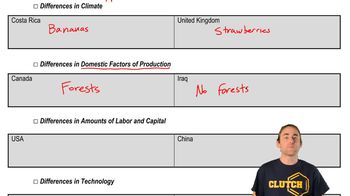
 06:08
06:08