Skip to main content
Nutrition
나의 코스
배우기
시험 준비
AI 튜터
학습 가이드
플래시카드
앱을 사용해 보세요
나의 코스
배우기
시험 준비
AI 튜터
학습 가이드
플래시카드
앱을 사용해 보세요
뒤로
Nutrition & Physical Activity exam
카드를 뒤집기 위해 탭할 수 있습니다.
What is the primary macronutrient used for energy during high-intensity exercise?
카드를 뒤집기 위해 탭할 수 있습니다.
👆
What is the primary macronutrient used for energy during high-intensity exercise?
Carbohydrates.
진행 상황 추적
컨트롤 버튼이 '내비게이션' 모드로 변경되었습니다.
1/29
관련 플래시카드
관련 실천
추천 영상
Nutrition & Physical Activity definitions
Nutrition & Physical Activity
15 용어
Nutrition & Physical Activity quiz
Nutrition & Physical Activity
15 용어
Nutrition & Physical Activity
11. Nutrition & Fitness
10 문제점
주제
Ergogenic Aids
11. Nutrition & Fitness
10 문제점
주제
11. Nutrition & Fitness
5 주제
15 문제점
장
01:25
Nutrition & Physical Activity Example 1
96
views
1
rank
VideoThumbView.guidedCourse
02:20
Timing Meals Around Exercise
123
views
VideoThumbView.guidedCourse
01:43
The Role of Micronutrients in Athletic Performance
199
views
이 집합의 용어 (29)
하이드의 정의
What is the primary macronutrient used for energy during high-intensity exercise?
Carbohydrates.
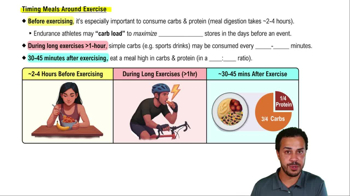
Carbohydrate loading
A strategy used by endurance athletes to maximize glycogen stores in muscles before an event.
Recommended carbohydrate intake for non-athletes (g/kg/day)
3-5 grams per kilogram of body weight per day.
Why is protein important after exercise?
It aids in muscle recovery and repair.
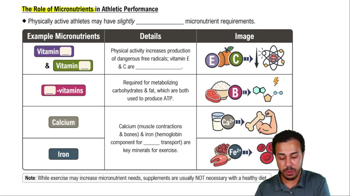
Micronutrients
Vitamins and minerals required in small amounts for various bodily functions.
What is the recommended protein intake for high-performance athletes?
1.2-2.4 grams per kilogram of body weight per day.
Meal timing before exercise
Consume a carbohydrate and protein-rich meal 2-4 hours before exercise.
Role of Vitamin C and E in athletes
They act as antioxidants to stabilize free radicals produced during physical activity.
What is the ideal carbohydrate to protein ratio in a post-exercise meal?
3:1 ratio (carbohydrates to protein).
Fat requirements for athletes vs. non-athletes
Both require 0.8-1.2 grams per kilogram of body weight per day.
Why should you avoid eating immediately before exercise?
A full stomach can negatively impact performance.
Glycogen
A stored form of carbohydrate in muscles and liver, used for energy during exercise.
What is the main function of iron in athletic performance?
It is a component of hemoglobin, essential for oxygen transport.
When should a post-exercise meal be consumed?
Within 30-45 minutes after exercising.
B vitamins
Micronutrients important for metabolizing carbohydrates and fats to produce ATP.
What is the protein requirement for non-athletes?
0.8 grams per kilogram of body weight per day.
Why might athletes need more calcium?
Calcium is important for muscle contractions and bone health.
Should athletes take micronutrient supplements?
Usually not necessary with a healthy diet.
What is the purpose of consuming simple carbohydrates during long-duration exercise?
To maintain energy levels during exercise lasting more than one hour.
Macronutrients
Nutrients required in large amounts: carbohydrates, proteins, and fats.
What is the risk of increasing saturated and trans fat intake, even for athletes?
It can increase the risk of disease.
Why do high-performance athletes need more carbohydrates?
To restore glycogen, a critical energy source during intense exercise.
Meal digestion time before exercise
2-4 hours.
What is the recommended carbohydrate intake for high-performance athletes?
5-12 grams per kilogram of body weight per day.
Role of protein before exercise
Aids in muscle preservation, growth, and repair.
What is the main energy source during low-intensity activities?
Fats.
Why are B vitamins important for athletes?
They help metabolize carbohydrates and fats for ATP production.
What should endurance athletes consume during exercise lasting over an hour?
Simple carbohydrates every 15-20 minutes.
What is the fat requirement for both athletes and non-athletes?
0.8-1.2 grams per kilogram of body weight per day.
 뒤로뒤로
뒤로뒤로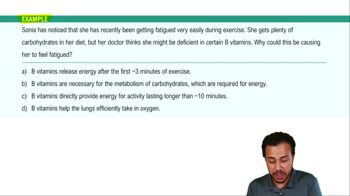
 01:25
01:25