Nutrition
나의 코스
배우기
시험 준비
AI 튜터
학습 가이드
플래시카드
앱을 사용해 보세요
나의 코스
배우기
시험 준비
AI 튜터
학습 가이드
플래시카드
앱을 사용해 보세요
뒤로
Why Do We Need Carbohydrates? definitions
카드를 뒤집기 위해 탭할 수 있습니다.
Carbohydrates
카드를 뒤집기 위해 탭할 수 있습니다.
👆
Carbohydrates
Essential macronutrients making up 45-65% of daily energy intake, crucial for quick energy and overall health.
진행 상황 추적
컨트롤 버튼이 '내비게이션' 모드로 변경되었습니다.
1/15
관련 플래시카드
관련 실천
추천 영상
Why Do We Need Carbohydrates? quiz
Why Do We Need Carbohydrates?
15 용어
Why Do We Need Carbohydrates? exam
Why Do We Need Carbohydrates?
29 용어
Why Do We Need Carbohydrates?
4. Carbohydrates
10 문제점
주제
Fiber
4. Carbohydrates
10 문제점
주제
4. Carbohydrates
9 주제
15 문제점
장
01:59
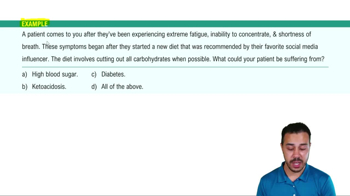
Why Do We Need Carbohydrates? Example 2
193
views
5
rank
03:23
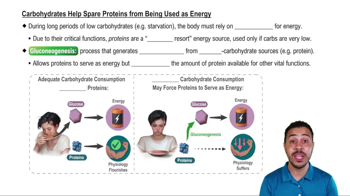
Carbohydrates Help Space Proteins from Being Used as Energy
211
views
6
rank
03:44
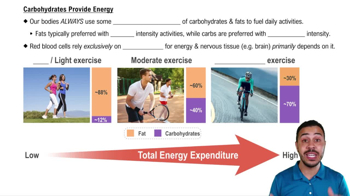
Carbohydrates Provide Energy
246
views
8
rank
이 집합의 용어 (15)
하이드의 정의
Carbohydrates
Essential macronutrients making up 45-65% of daily energy intake, crucial for quick energy and overall health.
AMDR
Recommended range for macronutrient intake, suggesting 45-65% of calories should come from carbohydrates.
Glucose
Primary energy source for red blood cells and the brain, derived mainly from dietary carbohydrates.
Ketoacidosis
Dangerous condition where excessive ketone accumulation lowers blood pH, risking protein function and health.
Ketosis
Normal state where the body breaks down fat into ketones for energy when carbohydrate intake is low.
Ketones
Acidic molecules produced from fat breakdown, serving as alternative fuel when glucose is scarce.
Gluconeogenesis
Process generating glucose from non-carbohydrate sources, such as proteins, during low carbohydrate intake.
Energy Expenditure
Total amount of energy used by the body, increasing with exercise intensity and affecting fuel source preference.
Red Blood Cells
Cells that rely exclusively on glucose for energy, unable to use fats or ketones as fuel.
Nervous Tissue
Body tissue, especially the brain, that primarily depends on glucose for its energy needs.
Macronutrients
Nutrients required in large amounts, including carbohydrates, proteins, and fats, essential for energy and health.
Protein Sparing
Effect where adequate carbohydrate intake prevents proteins from being used as an energy source.
Fat
Macronutrient preferred for energy at rest or low intensity, but less efficient than carbohydrates during intense activity.
Fiber
Type of carbohydrate providing health benefits, not used for energy but important for digestive health.
Blood pH
Measure of acidity in the blood, which can be lowered dangerously by excessive ketone accumulation.