 뒤로
뒤로Alcohol and Nutrition
 06:10
06:10
이 집합의 용어 (20)
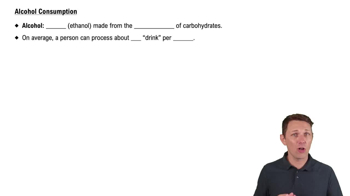
Alcohol is not an essential nutrient. Ethanol is the type of alcohol consumed in beverages, made by fermentation of yeast and natural sugars in grains (beer) and fruits (wine). Liquor is concentrated alcohol collected through distillation.
Social drinking is drinking patterns considered acceptable by society. Moderate alcohol consumption may reduce heart disease risk by increasing HDL cholesterol and reducing blood platelet stickiness.
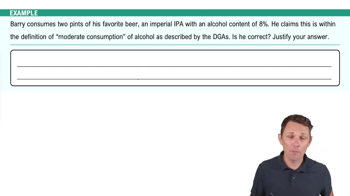
Moderate consumption means no more than one standard drink daily for adult women and two for men. A standard drink contains about half an ounce of alcohol.
12-ounce beer, 1.5-ounce shot of liquor, or 5-ounce glass of wine each count as one standard drink.
Alcohol is absorbed in the stomach and small intestine. Women absorb more alcohol in the stomach due to less alcohol dehydrogenase enzyme. Food slows absorption.
Alcohol is primarily metabolized in the liver. One standard drink takes about 1 to 2 hours to metabolize.
Alcohol is a central nervous system depressant that slows nerve impulses, reaction time, and impairs thoughts, actions, and behavior. High amounts can suppress brain stem functions, causing death.
At 0.01–0.05 BAC: relaxation and loss of inhibition; 0.06–0.10: impaired coordination; 0.11–0.20: mood swings; 0.21–0.30: stupor; 0.31–0.40: unconsciousness; above 0.41: death possible.
Alcohol disrupts the sleep cycle even in moderate amounts. Congeners in alcoholic beverages contribute to hangover symptoms like headache, fatigue, nausea, and dehydration.
Alcohol interferes with insulin and glucagon, affects bone-strengthening hormones, increases estrogen in women, and can cause sexual dysfunction in both sexes.
Alcohol provides 7 calories per gram, contributing to weight gain and fat around the stomach. It can displace nutritious foods and interfere with absorption of protein, zinc, magnesium, thiamin, folate, and vitamins B12, A, D, E, K.
It is a brain disorder caused by thiamin deficiency, which can result from excessive alcohol consumption affecting brain function.
Examples: Beer (12 oz) ~150 cal, Light beer (12 oz) ~110 cal, Wine (5 oz) ~100-105 cal, Distilled spirits (1.5 oz) ~100 cal, Mudslide (12 oz) ~820 cal.
Excessive alcohol can cause esophagus inflammation, cancers, gastritis, stomach ulcers, hypertension, heart damage, increased endotoxin, and alcoholic liver disease.
Stages include fatty liver, alcoholic hepatitis, and cirrhosis, where permanent liver damage and scar tissue develop.
Alcohol exposure prenatally can cause fetal alcohol spectrum disorders (FASDs), including fetal alcohol syndrome (FAS), leading to permanent physical, mental, and behavioral abnormalities.
AUD is continued alcohol consumption despite social, psychological, or physical problems caused by drinking.
Binge drinking is consuming 5 or more drinks for men, or 4 or more for women, in a short time.
Women of childbearing age, pregnant women, those under 21, people on interacting medications, with certain medical conditions, or those who cannot control intake should abstain.
Alcohol impairs attention, skill, and coordination, so it should be avoided when driving or operating machinery.