- 작성 시간을 절약하려면 워크시트를 다운로드하세요
- 연습 문제를 풀기 시작해
- 막히면 영상 해답을 보세요
- 더 많은 인사이트를 원하시면 요약을 참고하세요

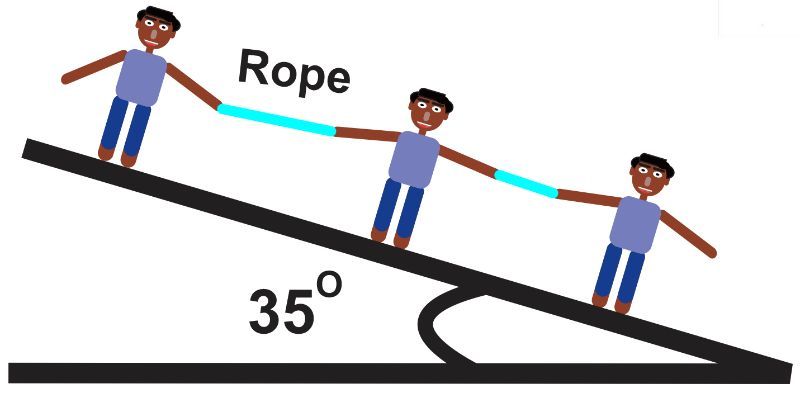
During a rescue mission, three firefighters are linked together by a rope as they ascend a steep slope. The slope is inclined at 35° to the horizontal, as shown in the diagram. Unexpectedly, the last firefighter loses footing, leading the second firefighter to also lose balance. Fortunately, the first firefighter successfully supports both of them. With each firefighter weighing 70 kg, determine the tension in each of the two segments of the rope connecting the three firefighters. Assume negligible friction between the slipping firefighters and the surface.
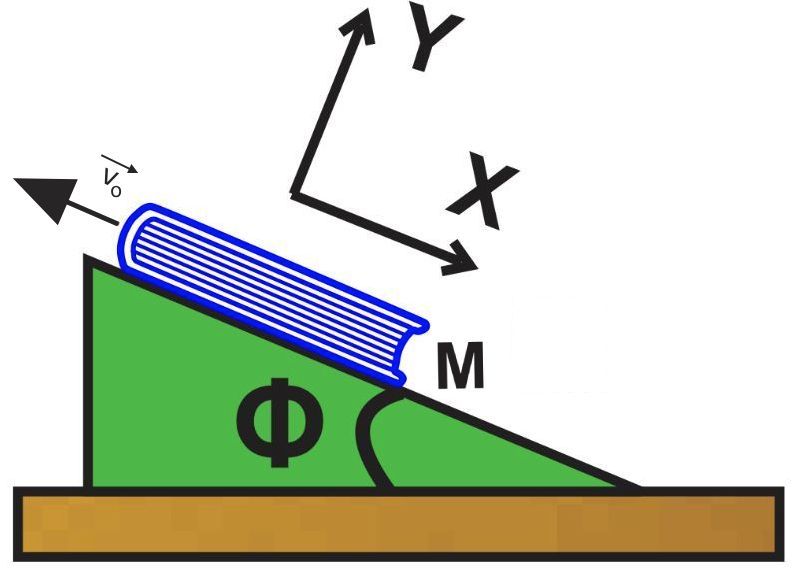
A book was tossed up with an initial speed of 6.5 m/s on an inclined plane. The inclined plane makes an angle of 32° with the horizontal axis shown in the figure below. Ignoring friction, calculate the time it takes for the book to return to its initial position.
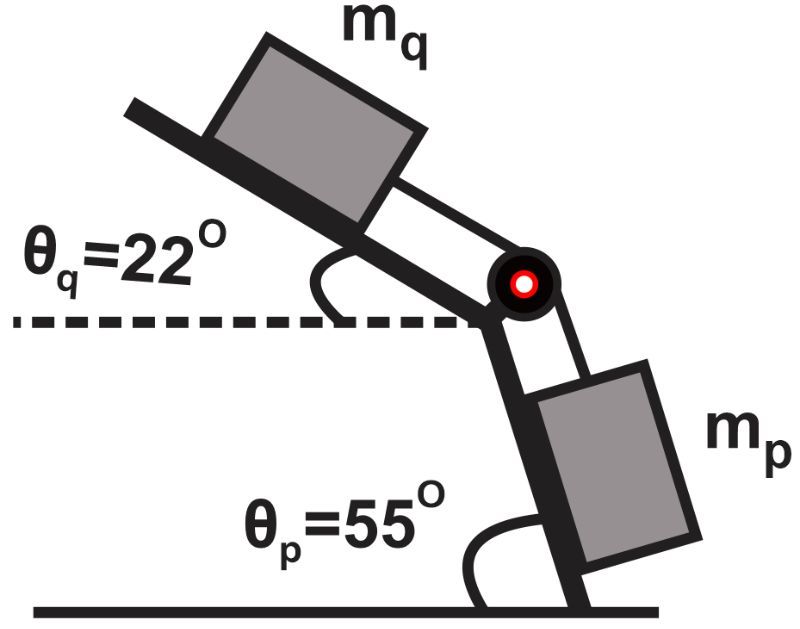
Two masses mp = 7.80 kg and mq = 10.6 kg are connected as shown in the figure below. Determine the tension in the rope connecting them.