Pathogens & Diseases: Bacteria definitions Flashcards
BackPathogens & Diseases: Bacteria definitions
You can tap to flip the card.
Control buttons has been changed to "navigation" mode.
1/15
Bacteria
Single-celled microorganisms found inside and outside the body, some beneficial, others capable of causing disease.Pathogen
Microorganism capable of causing disease by invading tissues or producing toxins that damage cells.Cocci
Round-shaped bacterial classification, often identified by their spherical appearance under a microscope.Bacilli
Rod-shaped bacterial classification, commonly associated with various infections in humans.Spirilla
Spiral-shaped bacterial classification, recognized by their twisted, corkscrew-like form.Antibiotic
Medication used to kill or inhibit the growth of pathogenic bacteria, essential for treating bacterial infections.Antibiotic Resistance
Condition where bacteria survive exposure to medications, making infections harder to treat and more dangerous.Colonization
Establishment of microorganisms in or on a host without causing illness, often preceding infection.MRSA
Methicillin-resistant strain causing painful skin infections, often spreading through contact in healthcare settings.Streptococcus
Bacterial genus responsible for illnesses like strep throat and meningitis, transmitted via respiratory droplets.Meningitis
Inflammation of membranes covering the brain and spinal cord, often resulting in severe headache and stiff neck.Pneumonia
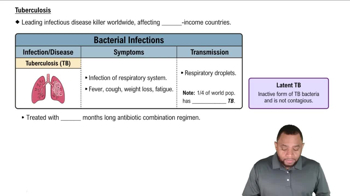
Lung infection marked by inflammation, fever, cough, and fluid buildup, caused by bacteria, viruses, or fungi.Tuberculosis
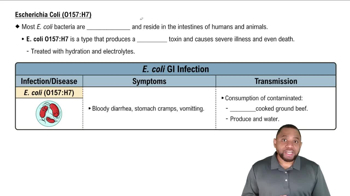
Respiratory infection affecting lungs, characterized by cough, fever, weight loss, and fatigue; prevalent worldwide.Escherichia coli
Bacterial species mostly harmless in intestines, but certain strains produce toxins causing severe illness.Lyme Disease
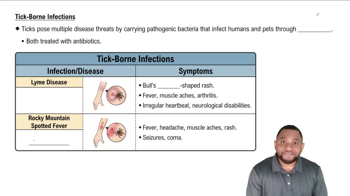
Tick-borne infection marked by bull's eye rash, fever, muscle aches, and potential neurological complications.