Pearson+ LogoPearson+ Logo

Types of STIs definitions Flashcards

Back
Types of STIs definitions
Control buttons has been changed to "navigation" mode.
1/15
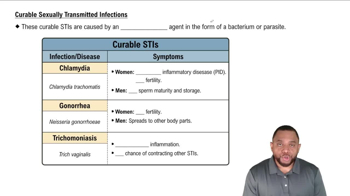
  • Chlamydia

    Bacterial infection causing pelvic pain, reduced fertility in women, and sperm issues in men; treatable with antibiotics.
  • Gonorrhea

    Bacterial infection damaging reproductive organs, decreasing fertility, and potentially spreading systemically if untreated.
  • Trichomoniasis

    Parasitic infection leading to genital inflammation and increased vulnerability to other STIs due to skin breaks.
  • Syphilis

    Bacterial infection progressing through three stages, causing ulcers, tumor-like growths, and severe organ complications.
  • Pelvic Inflammatory Disease

    Painful condition in women resulting from untreated STIs, often leading to reduced fertility and pelvic discomfort.
  • Chancre

    Oozing ulcer appearing in early syphilis, typically at the infection site, indicating primary stage.
  • Gummas

    Tumor-like growths on skin or organs, characteristic of latent syphilis, often found on hands.
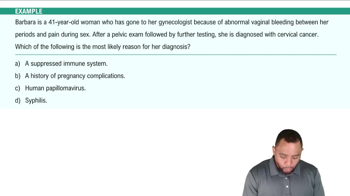
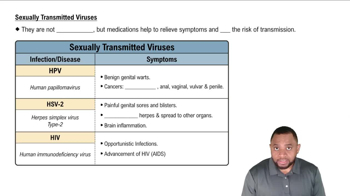
  • Human Papillomavirus

    Viral infection causing genital warts and various cancers, including cervical, anal, and penile; incurable but manageable.
  • Herpes Simplex Virus Type 2

    Viral infection resulting in painful genital sores, blisters, and possible neonatal transmission during childbirth.
  • HIV

    Virus attacking the immune system, leading to opportunistic infections and progression to AIDS if untreated.
  • Opportunistic Infections

    Illnesses that occur due to weakened immunity, often fatal in individuals with advanced HIV.
  • AIDS

    Advanced stage of HIV marked by severe immune deficiency and life-threatening infections.
  • Genital Warts

    Benign growths in the genital area, commonly caused by HPV, ranging from mild to severe presentations.
  • Neonatal Herpes

    Herpes infection passed from mother to child during birth, potentially causing serious complications in newborns.
  • Cardiovascular Complications

    Heart-related issues such as heart failure, often resulting from late-stage syphilis affecting the cardiovascular system.