
Dance your way to fluent language learning and enhanced wellbeing

Charlotte Guest
Charlotte Guest
A woman with headphones dancing in her living room
Reading time: 5 minutes

Language learning can often feel daunting, with its endless vocabulary lists, grammatical structures and pronunciation rules. However, incorporating dance and movement into your study routine can transform this challenge into an engaging, enjoyable experience while significantly benefiting your overall wellbeing. This unusual approach is not only effective for language learners of all ages but also enriches the learning process with fun and physical activity.

Engaging in movement and dance can substantially impact mental health, as evidenced by various studies and academic research. For instance, a notable study published in the American Journal of Dance Therapy highlighted that dance, particularly in structured environments, can reduce anxiety and improve mood among participants. This connection between dance and mental health improvement can be attributed to the release of endorphins, often referred to as happiness hormones, which occur during physical activity.

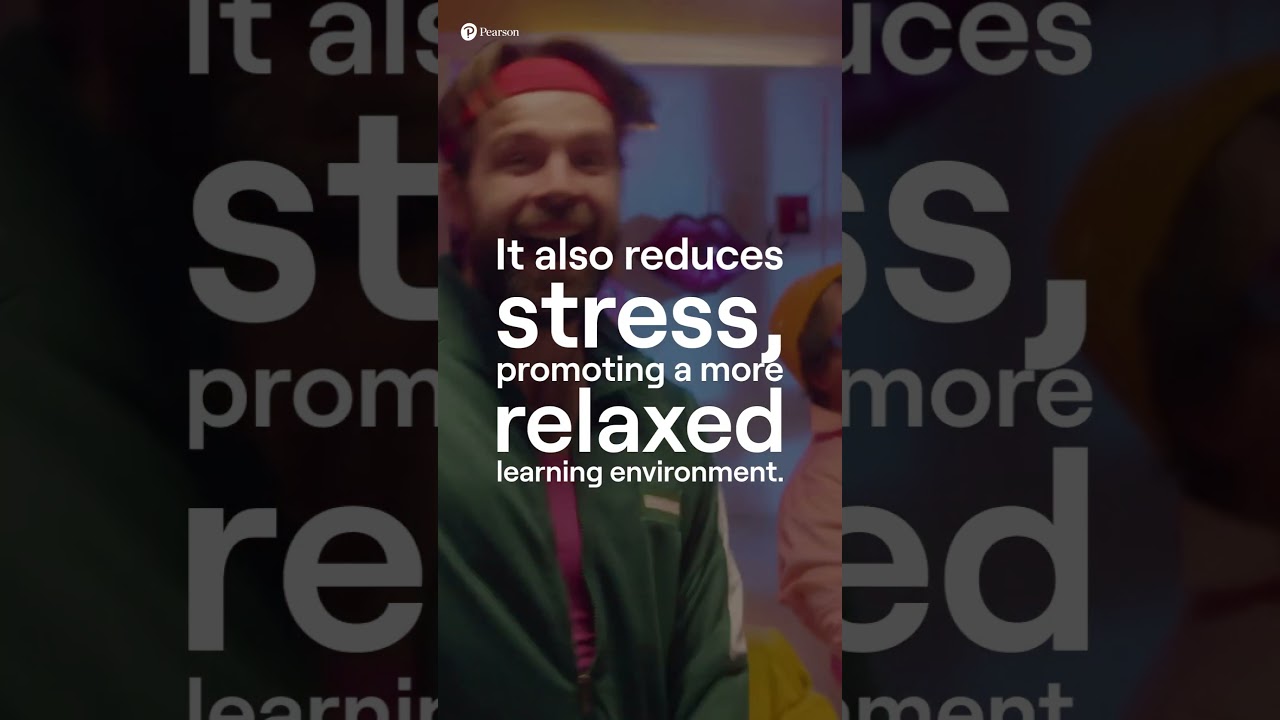
How can dance help your language learning?
Play
Privacy and cookies

By watching, you agree Pearson can share your viewership data for marketing and analytics for one year, revocable by deleting your cookies.

The connection between movement and language learning

The link between physical movement and language learning is deeply rooted in cognitive science. Research suggests that our cognitive processes are intertwined with our bodily systems, meaning that physical activities, such as dance, can enhance memory, comprehension and expression. This concept, known as 'embodied cognition', highlights how movement can serve as a powerful tool in internalizing new language concepts and vocabulary.

Here's how dance facilitates language learning:

  • Memorization enhancement: Associating vocabulary or phrases with specific movements can improve recall abilities. For example, performing a specific dance move when practicing a new word can create a mnemonic device, making the term easier to remember.
  • Increased engagement and concentration: Movement breaks up the monotony of traditional study methods, keeping the mind engaged and focused. This is particularly beneficial during longer study sessions, where concentration may start to wane.
  • Stress reduction: Dance is a well-known stress reliever. Lowering stress levels not only improves mental health but also creates a more conducive environment for language acquisition, as anxiety can be a significant barrier to effective learning.
  • Improved pronunciation through rhythm practice: Many languages have a unique rhythm and cadence. Engaging in dance can tune your ear to these rhythmic patterns, aiding in the understanding and reproduction of authentic pronunciation.

Ways to incorporate dance and language

Start simple

You don't need complex choreography to get started. Begin with simple movements that you can associate with the new language. This could be as straightforward as moving your hands up for high-tone languages like Mandarin or swaying to the rhythm of a Spanish guitar as you practice phrases.

Create a themed playlist

Music is a powerful companion to dance. Create a playlist of songs in the language you’re learning and try to move intuitively to the rhythm. This will not only help with learning new words and phrases but will also immerse you in the culture of the language.

Join a class

If possible, join a dance class that focuses on the culture of the language you're learning. Salsa, Bollywood, or even traditional Japanese dance can provide insights into the culture, which is a crucial part of mastering a language.

Practical activity examples

Merging language learning with dance isn't just effective; it's also incredibly fun. Here are some activity ideas to get you started on this harmonious path of acquiring a new language and enhancing your well-being through dance.

Spanish & Flamenco

  • Activity: After learning basic Spanish greetings and expressions, put on a Flamenco music playlist. Attempt to express these greetings and expressions rhythmically with Flamenco hand claps (palmas) or footwork. This can help solidify the language's rhythm and intonation in your memory.

French & Ballet

  • Activity: Ballet terminology is predominantly in French, which presents a unique opportunity to learn the language. Pick a few basic ballet positions or movements, such as "plié" (to bend) or "pirouette" (to spin), and practice saying them out loud while performing the steps. This can deepen your understanding of French pronunciation and terms.

Japanese & Bon Odori

  • Activity: Bon Odori is a traditional Japanese dance performed during the Obon Festival. Begin by learning simple phrases in Japanese related to greetings, farewells and thanks. Then, engage in learning the Bon Odori dance through online tutorials. Associate each dance movement with the phrases you've learned, enhancing both your linguistic and cultural comprehension.

Hindi & Bollywood

  • Activity: Bollywood dances are vibrant and full of expression, making them perfect for language learning. Start by learning key Hindi phrases and vocabulary related to emotions and actions. Watch a Bollywood dance video, focusing on songs with clear, easy lyrics. Try to dance along while singing the lyrics, connecting the words’ meanings with your movements.

Italian & Tarantella

  • Activity: The Tarantella is a fast-paced Italian folk dance. For this activity, choose an energetic Tarantella song and learn simple conversational Italian phrases or food vocabulary. As you practice the dance, say the phrases out loud with each step. Not only will this improve your memory recall, but it will also give you a feel for the Italian linguistic rhythm and culture.

Each of these activities combines the cognitive benefits of language learning with the physical and emotional joys of dance, creating a holistic approach to new language acquisition and overall wellness.

Extra benefits

Apart from language acquisition, integrating dance into your routine can have profound effects on your physical and mental health.

  • Physical fitness: Regular movement improves cardiovascular health, strength and flexibility.
  • Mental health: Dance reduces symptoms of anxiety and depression, creating a happier and healthier mindset.
  • Social connections: Sharing dance experiences with others can lead to meaningful social connections, reducing feelings of isolation and promoting a sense of community.

Integrating dance and movement into language learning is beneficial for acquiring new languages and promotes a holistic approach to health and wellbeing. It's a fun and effective strategy that can break the monotony of traditional learning methods, providing a refreshing path to fluency and beyond. Whether practiced alone or in a group, through music, rhythm and culture, dance can enhance your language learning experience significantly.

More blogs from Pearson

  • Man working in office looking at papers
    How the Slate and PTE partnership is streamlining admissions for greater efficiency
    By Alice Bazzi
    Reading time: 4 minutes

    Admissions teams today are under increasing pressure to ensure the application process is done quickly, fairly and at scale, without compromising integrity or student experience. As international applicant volumes increase and digital processes become the norm, efficiency across admissions workflows has never been more critical. 

    That is why the recent partnership between Slate and PTE aims to simplify the process of receiving, reviewing and trusting English language test results. 

    A shared focus on admissions efficiency 

    Slate is widely used by higher education institutions across the United States to manage the full student lifecycle, from initial inquiry through enrollment. Admissions teams rely on Slate to centralize data, reduce manual processes and support informed decision-making at speed.

    Through the Slate and PTE partnership, PTE scores are integrated directly into admissions workflows, reducing friction for admissions officers and eliminating unnecessary administrative steps. Rather than navigating multiple systems or manually verifying results, admissions teams can access PTE scores while decisions are already being made.

    Reducing manual work and administrative burden

    One of the biggest challenges admissions teams face is losing time to manual processes, such as downloading score reports, checking authentication, uploading files or reconciling data across platforms.

    By integrating PTE into Slate:

    • English test results are received directly within the admissions platform
    • Manual entry and document handling are reduced
    • Verification becomes simpler and more reliable
    • Processing time per application is shortened

    This directly supports admissions teams who are managing high application volumes with limited resources, enabling them to focus less on administration and more on applicant evaluation. 

    Faster, more confident decision-making

    Speed matters, but confidence matters just as much. Admissions teams need to trust the data they’re working with, especially when making conditional offers or final decisions.

    Having PTE results embedded within Slate allows admissions officers to:

    • Review scores quickly and consistently
    • Make faster decisions without leaving their workflow
    • Reduce delays caused by missing or manually-uploaded documentation
    • Maintain consistency across admissions teams and cycles

    The result is a smoother review experience that supports both operational efficiency and institutional standards.

    A better experience for admissions teams and students

    Streamlined admissions workflows don’t just benefit institutions; they improve the experience for students too.

    When systems work together:

    • Applicants face fewer delays and follow‑ups
    • Admissions communication becomes clearer and more timely
    • Offer turnaround times are reduced
    • Institutions present a more modern, efficient admissions experience

    This joined‑up approach helps institutions remain competitive, responsive and student‑focused,  particularly when engaging international applicants navigating complex admissions requirements. 

    Supporting innovation in admissions operations

    Beyond efficiency gains, the Slate and PTE partnership reflects a broader commitment to innovation in admissions operations.

    By integrating trusted English proficiency data into established institutional workflows, the partnership supports:

    • Scalable admissions processes
    • Greater consistency across decision‑making
    • Reduced operational risk
    • Long‑term efficiency as application volumes grow

    For admissions teams, this means future‑ready systems designed to evolve with changing recruitment and enrolment needs. 

    Streamlining admissions with Slate and PTE

    The partnership between Slate and PTE is built on a shared understanding of what admissions teams need most: clarity, efficiency, and confidence.

    By bringing English test scores directly into admissions workflows, institutions can reduce complexity, streamline operations and deliver faster, more reliable outcomes, all while maintaining the integrity and trust that admissions decisions demand.

  • People looking at a laptop discussing what they see
    Preparing your learners for university study abroad
    By Charlotte Guest
    Reading time: 5 minutes

    Studying abroad offers an exciting opportunity for students to explore new cultures, enhance their language skills and pursue further education. However, preparing for university abroad can be stressful and overwhelming, particularly for those leaving home for the first time.

    Educators are crucial in ensuring students feel ready, confident and equipped for international study. They support learners through academic guidance and emotional encouragement, helping build the skills necessary for success abroad.

    Why preparing students for study abroad matters

    Many learners focus mainly on getting accepted into a university. However, success abroad requires much more than good grades. Students must also adapt to a new education system, manage independent living and communicate in a different cultural environment.

    Without preparation, students may struggle with:

    • Culture shock
    • Homesickness
    • Academic pressure
    • Budgeting and financial management
    • Language barriers
    • Time management

    Providing support before students leave can improve confidence and help learners settle into university life more quickly.

  • Students walking together outside talking
    So you want to study in the USA? Here’s what to expect
    By Abi Fordham
    Reading time: 2 minutes

    When I talk to students planning to study in the USA, I always notice a mix of excitement and nerves. Before giving any advice, I begin by sharing a small personal truth.

    I didn’t study in the USA myself. I spent my university years in Leeds, England, running between lectures in the rain, squeezing into crowded cafés, feeling like my whole world lived inside that one brilliant, chaotic city. And I loved it.

    However, since I've worked in international education, it's broadened my perspective. Listening to students discuss the opportunities they’re pursuing in the US, including internships, campus experiences – and seeing the confidence they develop – has made me wonder if I might have chosen differently if I could go back in time.

    So now, when a student has questions about studying in the USA, I answer them based on everything I’ve learned from being closely involved in their journey. Let’s get into it.

    “Is studying in the USA actually worth it?”

    Absolutely, not just academically, but personally.  You get access to:

    • World-leading industries
    • Diverse, ambitious communities
    • New perspectives you can’t find at home
    • A degree that's recognized globally

    It’s one of the fastest ways to grow into the most confident version of yourself.

    “Will I fit in?”

    Yes. US campuses are remarkably diverse and host many international students. You’ll quickly find people who share your background, interests and ambitions. Simply join a club, attend a welcome event or try one new activity. That’s all it takes to get started.

    “The application process seems overwhelming.”

    It looks overwhelming until you break it down into manageable tasks:

    1. Shortlist universities
    2. Understand their timelines
    3. Organize your documents
    4. Choose an English test that actually supports your plans

    Which brings us to asking…

    “Which English test should I take?”

    If you want global options, then choose PTE Academic, which gives access to worldwide opportunities.

    If you’re set on the USA, then choose PTE Express. It's quick, online, flexible and specifically designed for studying in the US. It helps your application process run more smoothly and ensures you’re using a test that meets American university standards.

    “What is life in the USA actually like?”

    Think big campuses, huge energy, endless clubs and opportunities everywhere. But also think:

    • Independence
    • Cultural discovery
    • New friendships
    • Internships that shape your future

    Most students say they grow more in their first year abroad than in all their years of school before it.

    My perspective

    Studying in the USA is about more than just earning a degree. It can change how you see yourself. While my own path was different, I love helping students experience it and seeing where it takes them.