

Planning effective ESL lessons for the upcoming year: Tips and ideas for teachers

Sam Colley
Teacher and primary school students colouring
Reading time: 4 minutes

As the new year approaches, it's the perfect time to reflect on our teaching practices and plan engaging, effective lessons for our English as a Second Language (ESL) students. Thoughtfully crafted lesson plans can make a significant difference in the learning outcomes and engagement levels of your students. Whether you're teaching young children, teenagers, or adults, the principles of effective lesson planning remain consistent. Here are some ideas, hints and tips to help you create dynamic and successful ESL lessons for students of all ages.

Start with clear learning objectives

Begin each lesson with clear, achievable objectives. What do you want your students to learn by the end of the lesson? Objectives provide a roadmap for both you and your students, ensuring that everyone is focused and aware of the goals. For example, an objective might be "Students will be able to use past tense verbs to describe their weekend activities." Clear objectives provide direction and help you measure student progress.

Incorporate a variety of activities

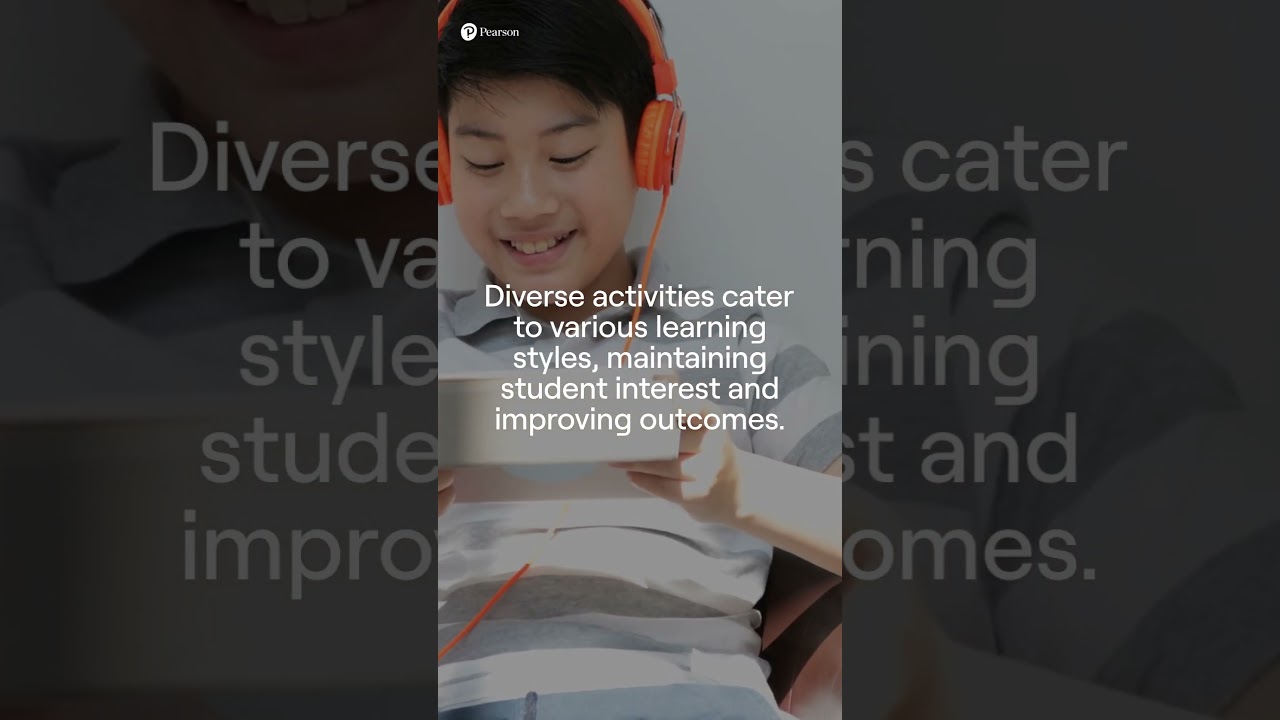
To cater to different learning styles and keep students engaged, incorporate a mix of teaching methods and activities. Here are a few ideas:

  • Listening: Use audio recordings, songs, or podcasts to improve listening skills.
  • Speaking: Organize pair or group discussions, role-plays, or presentations to enhance speaking abilities.
  • Reading: Provide a variety of texts such as articles, short stories, or dialogues.
  • Writing: Assign tasks like journal entries, essays, or creative writing exercises.
  • Homework activities: For something outside of the classroom, a nature walk or a recipe can be used to help learn specific vocabulary.

Use authentic materials

Authentic materials—such as newspapers, menus, brochures and videos—expose students to real-world language and contexts. These materials can make lessons more interesting and relevant, helping students see the practical application of their language skills. Even better, they’re everywhere, so easy to find. 

Integrate technology

Teachers are already used to leveraging technology to enhance lessons utilizing online resources, language learning apps and interactive platforms to create a dynamic learning environment. Why not take this a step further by using AI to create your own resources. Take a look at our blog on How to make the most of AI in the classroom for some more ideas.
 

Tips for planning effective ESL lessons
Play
Privacy and cookies

By watching, you agree Pearson can share your viewership data for marketing and analytics for one year, revocable by deleting your cookies.

Foster a supportive learning environment

Create a classroom atmosphere where students feel comfortable making mistakes and taking risks. Mistakes are a natural part of the learning process, so ensure that your students are comfortable experimenting with the language. Encourage participation and praise effort, not just accuracy. A supportive environment boosts confidence and motivates students to practice their language skills.

Differentiate instruction

Recognize that your students have diverse needs and proficiency levels. Differentiate your instruction by providing varied tasks and materials that cater to different abilities. For instance, while advanced students work on a challenging reading comprehension task, beginners might focus on foundational vocabulary building.

Incorporate cultural elements

Language learning is intertwined with cultural understanding. Introduce cultural elements into your lessons to provide context, enrich the learning experience and deepen understanding. Celebrate cultural diversity by discussing traditions, holidays and customs from English-speaking countries as well as your students' home countries. This approach fosters cultural awareness and appreciation.

Use games and interactive activities

Games and interactive activities are excellent for making learning fun and memorable. Consider incorporating language games like Bingo, Pictionary, or Jeopardy. These activities not only reinforce language skills but also promote teamwork and communication.

TV game shows like the British program Countdown, are a great source of ideas for ESL games. In Countdown, players take turns selecting a consonant or a vowel to produce nine random letters. They then use these letters to make the longest word they can in a set time. It can be a bit of a challenge, so it’s best played with higher levels.

Provide regular feedback

Regular feedback is essential for student development. Offer constructive feedback on assignments and in-class activities, highlighting strengths and areas for improvement. Encourage self-assessment and peer feedback to help students become more reflective and autonomous learners.

Plan for continuous assessment

Continuous assessment allows you to monitor student progress and adapt your teaching strategies accordingly. Use a variety of assessment methods, including quizzes, oral presentations, written assignments and informal observations. This comprehensive approach ensures a well-rounded understanding of each student's progress.

Reflect and adjust

At the end of each lesson, take a moment to reflect on what worked well and what could be improved. Gather feedback from your students and use it to adjust your future lesson plans. Continuous reflection and adaptation are key to effective teaching.

Conclusion

Planning effective ESL lessons requires creativity, flexibility and a deep understanding of your students' needs. By setting clear objectives, incorporating diverse activities, using authentic materials, integrating technology, fostering a supportive environment, differentiating instruction, incorporating cultural elements, using games, providing regular feedback and planning for continuous assessment, you can create engaging and effective lessons for students of all ages.

As you plan for the upcoming year, remember that your enthusiasm and dedication are key to your students' success. Here's to a year of inspiring and impactful teaching.

If you're looking for some more ideas on lesson planning and keeping your students engaged, why not take a look at our blog on Designing new learning experiences for your English language learners.

More blogs from Pearson

  • Teacher talking to girl working on laptop in classroom smiling
    Designed for learning, built for growth: How Big Ben Education Group reimagined short-term programs
    By Kathy Chan
    Reading time: 3 minutes

    The challenge: Creating meaningful learning in short-term programs

    In recent years, Big Ben Education Group faced a challenge: how to deliver meaningful learning within short-term programs. Although teachers were passionate and students motivated, their short-term courses lacked a clear academic structure, making learning feel rushed and less impactful. At the same time, they relied heavily on a single market and sought to attract a more diverse, global student mix.

    This raised a critical question: How do you design a short-term program that is both academically meaningful and appealing to a global student audience? That question led to the launch of their first Winter Camp in 2024.

    The turning point: From camp to structured learning experience

    The Winter Camp marked a major shift. For the first time, students from across China, Korea, Japan, Central Asia and the Middle East were brought together. Managing this level of cultural and linguistic diversity required more than enthusiasm; it required structure.

    The school introduced Big English as a core academic framework, giving teachers clarity on learning objectives and ensuring consistency across levels, even within a condensed timeframe.

    But the transformation didn’t stop in the classroom. Excursions were redesigned with clear learning goals, turning them into opportunities for real-world language application. This shift from activities to outcomes required careful planning and strong collaboration between academic and operations teams.  What emerged was something new – a structured, student-centered learning experience that balanced academic rigor with real-world engagement.

  • Students sat at a table with microphones talking
    Building fluent, confident speakers: better ways to assess speaking
    By Charlotte Guest
    Reading time: 6 minutes

    Why traditional speaking assessments can make students feel stressed

    Traditional speaking tests often feel high-stakes and performative. Students are asked to respond on demand, usually in front of a teacher or peers, with little room for hesitation or self-correction. This setup can make it harder for students to show what they can really do because:

    • Time pressure shifts focus from communicating meaning to avoiding mistakes
    • Teacher-centered evaluation can feel judgmental rather than supportive
    • One-off testing may not capture a learner's true abilitiy, especially if they're nervous. 

    When people feel anxious, it often affects their fluency. They find it harder to think so they pause more, forget words and feel less confident. As a result, assessments may reflect how comfortable someone feels under pressure, rather than how effectively they can communicate.

    Key components of speaking fluency to evaluate

    Fluency isn't just about talking fast. It involves several clear signs.

  • People studying in a classroom with one holding her hand up
    How to teach business English to beginner learners
    By Margaret O'Keeffe
    Reading time: 4 minutes

    Teaching business English to beginners can feel challenging, especially when learners have limited vocabulary and confidence. However, with the right structure and focus, you can help students build practical workplace communication skills step by step.

    Focus on high-frequency workplace vocabulary

    For beginners learners, communication matters more than complexity. Teaching commonly-used workplace vocabulary allows students to express basic ideas quickly and clearly.

    Focus on:

    • Everyday work routines (emails, meetings, schedules)
    • Common verb–noun combinations (for example, “make a call,” “solve a problem”)
    • Simple functional phrases for greetings and offers

    This focus on high-frequency language helps learners retain and reuse it more easily.

    Introduce vocabulary in manageable, meaningful ways

    Vocabulary learning becomes more effective when it is limited and contextualized. Instead of overwhelming students, introduce a small number of new words per lesson and place them in realistic scenarios.

    For example:

    • Phone conversations
    • Short emails or messages
    • Daily task lists

    Memory improves when learners interact with words actively. Matching exercises, sentence-building and personalization tasks all strengthen recall because they require learners to process meaning rather than just memorize.