Introduction to Organ Systems definitions Flashcards

Introduction to Organ Systems definitions
3 students found this helpful
Control buttons has been changed to "navigation" mode.
1/15
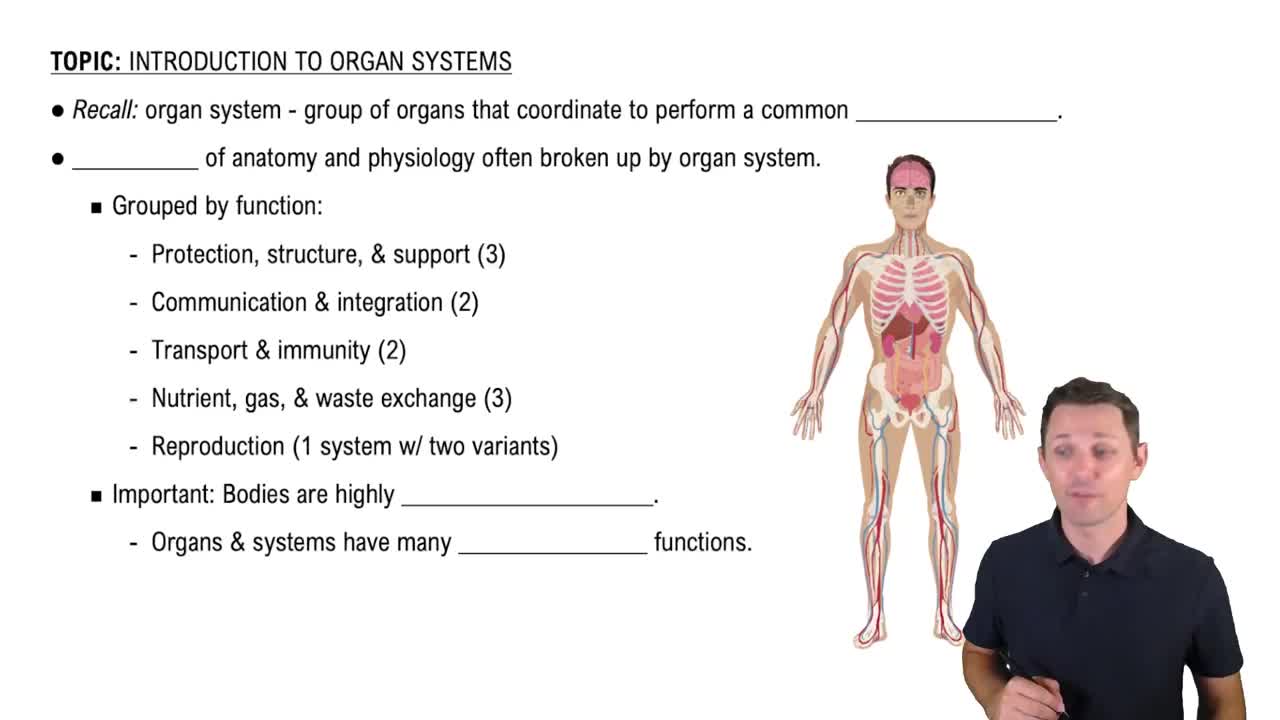
  • Integumentary System
    Comprises the skin, hair, and nails, providing protection, a waterproof barrier, and thermal regulation.
  • Skeletal System
    Consists of bones and cartilage, providing structure, shape, and protection to the body.
  • Muscular System
    Enables movement through muscle contraction, working closely with the skeletal system.
  • Nervous System
    Includes the brain, spinal cord, and nerves, facilitating rapid communication and integration via electrical signals.
  • Endocrine System
    Composed of glands that release hormones into the bloodstream for whole-body communication and regulation.
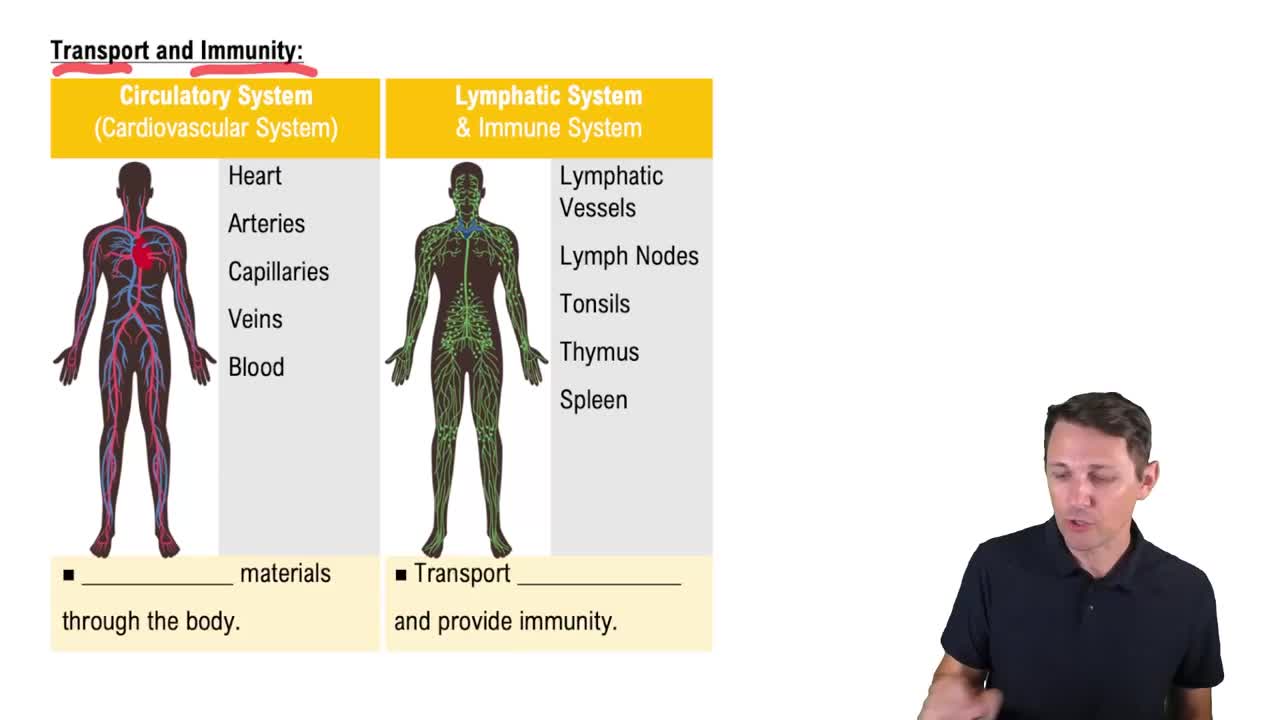
  • Circulatory System
    Comprises the heart, blood vessels, and blood, transporting materials like oxygen, nutrients, and waste throughout the body.
  • Lymphatic System
    Includes lymphatic vessels and nodes, transporting water and aiding the immune system in fighting infections.
  • Respiratory System
    Consists of the lungs and airways, facilitating gas exchange, primarily oxygen and carbon dioxide, between the body and the environment.
  • Digestive System
    Involves the mouth, esophagus, stomach, intestines, and accessory organs, breaking down food and absorbing nutrients and water.
  • Urinary System
    Includes the kidneys, ureters, bladder, and urethra, removing waste and excess water from the blood.
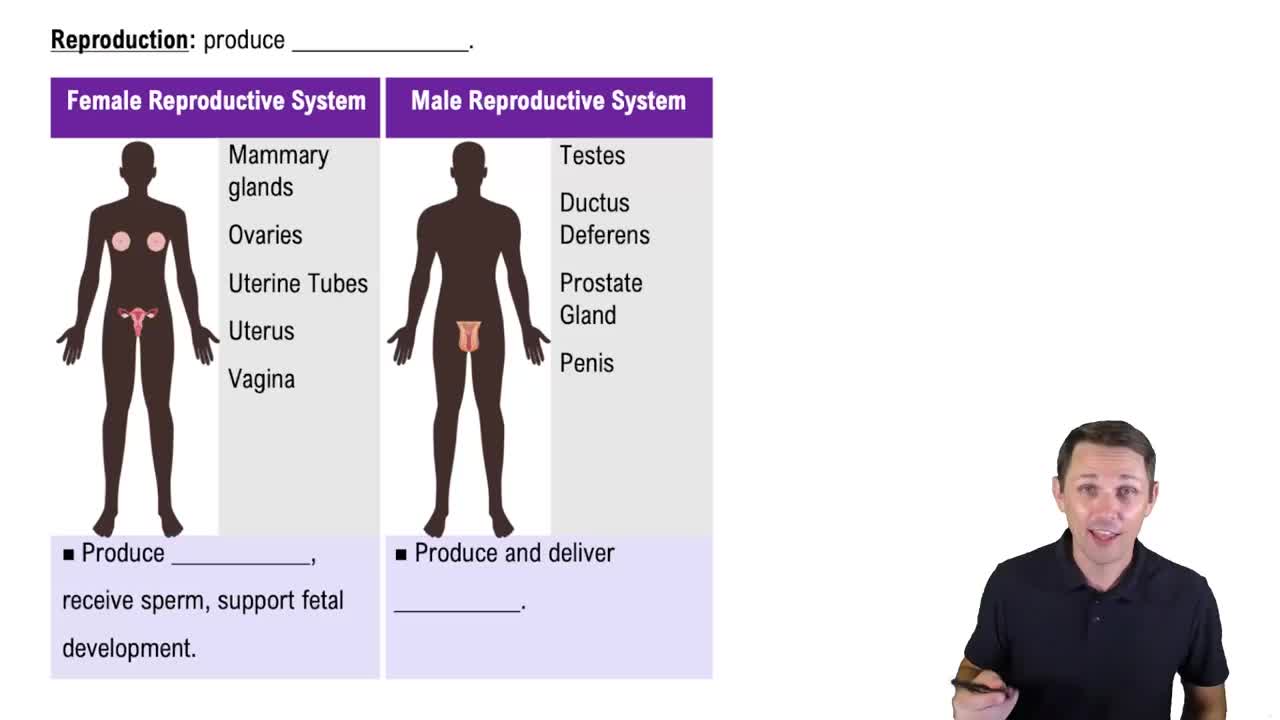
  • Reproductive System
    Involves organs like the testes and ovaries, responsible for producing gametes and supporting reproduction.
  • Homeostasis
    The maintenance of a stable internal environment within the body, primarily regulated by the nervous and endocrine systems.
  • Hormones
    Chemical messengers produced by endocrine glands, traveling through the bloodstream to regulate various body functions.
  • Immune System
    A network of cells and tissues that work together to defend the body against infections and diseases.
  • Cartilage
    A flexible connective tissue found in various parts of the body, providing support and cushioning in joints.