Back

Introduction to Organ Systems quiz #3

Control buttons has been changed to "navigation" mode.
1/38
  • Which system produces hormones?

    Endocrine system
  • Which body system allows the body to move? a) Nervous system b) Muscular system c) Digestive system d) Endocrine system

    b) Muscular system
  • Which body system is not affected by intoxication? a) Nervous system b) Digestive system c) Muscular system d) Integumentary system

    d) Integumentary system
  • Which is a monogastric animal? a) Cow b) Horse c) Sheep d) Goat

    b) Horse
  • The nurse is performing the assessment shown. What is the nurse assessing in this client? a) Heart rate b) Blood pressure c) Respiratory rate d) Temperature

    b) Blood pressure
  • Which structure is not part of the limbic system?

    Cerebellum
  • A client is scheduled for a CABG procedure. What information should the nurse provide to the client? a) Details about the surgical process b) The history of CABG procedures c) The cost of the procedure d) The surgeon's credentials

    a) Details about the surgical process
  • Efforts at toilet training usually begin during which of Freud's psychosexual stages? a) Oral stage b) Anal stage c) Phallic stage d) Latency stage

    b) Anal stage
  • What is the purpose of the cap and tail in mRNA processing? a) To protect mRNA from degradation b) To initiate protein synthesis c) To bind to ribosomes d) To transport mRNA out of the nucleus

    a) To protect mRNA from degradation
  • What is the anther in a flower?

    The part of the flower that produces pollen
  • How are bat forelimbs different from other mammals’ forelimbs? a) They are shorter b) They are adapted for flight c) They are used for swimming d) They are used for digging

    b) They are adapted for flight
  • What is an example of a positive symptom of schizophrenia?

    Hallucinations
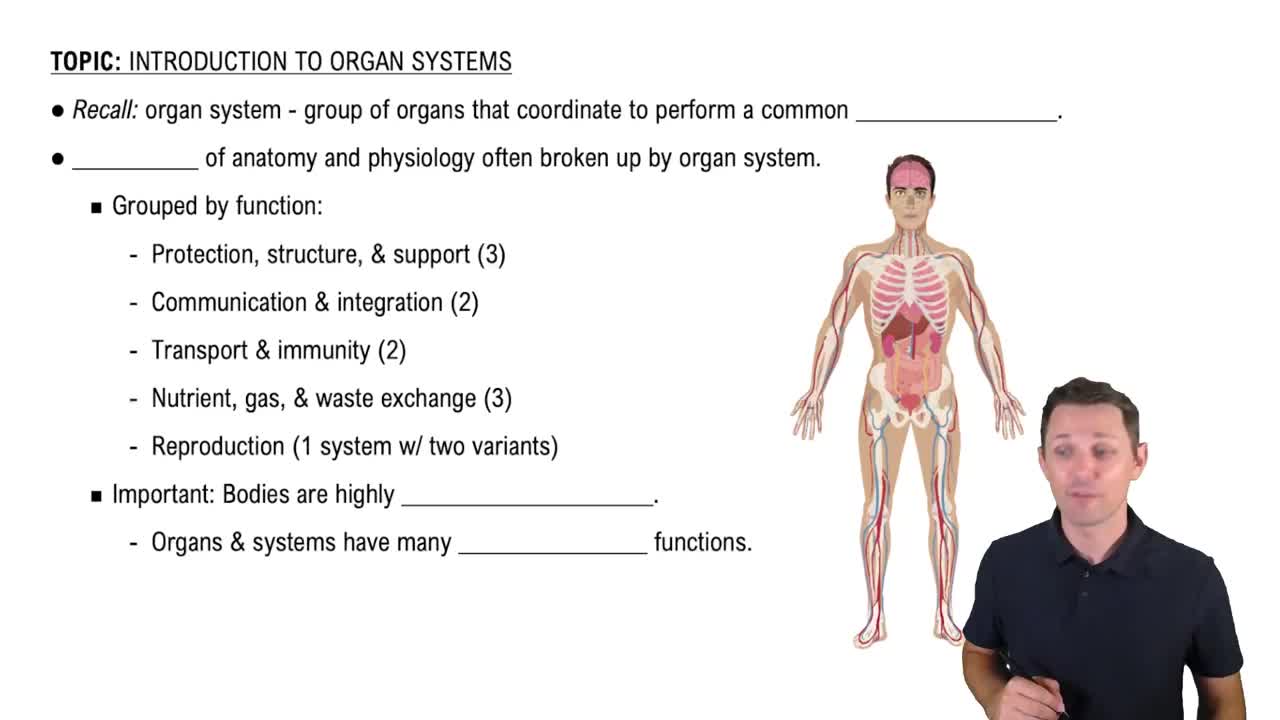
  • Why is it important to study organ systems? a) To understand how the body functions as a whole b) To memorize all body parts c) To focus only on one system d) To ignore the body's complexity

    a) To understand how the body functions as a whole
  • A nurse is preparing to assess a client's vital signs. In which order should the nurse assess them? a) Temperature, pulse, respiration, blood pressure b) Pulse, respiration, temperature, blood pressure c) Respiration, blood pressure, temperature, pulse d) Blood pressure, temperature, pulse, respiration

    a) Temperature, pulse, respiration, blood pressure
  • What is the likely problem the patient is suffering from if they have difficulty breathing and chest pain? a) Heart attack b) Common cold c) Migraine d) Indigestion

    a) Heart attack
  • Which structures are found in some plant cells but not in animal cells?

    Cell wall
  • Which statement about the mesentery is incorrect?

    It is part of the skeletal system
  • What does each segment of an annelid contain?

    A pair of nephridia
  • The nurse questions the client about her symptoms. What should the nurse ask about first? a) The client's favorite food b) The onset of symptoms c) The client's hobbies d) The client's family history

    b) The onset of symptoms
  • What causes angina pectoris?

    It is caused by a lack of oxygen to the heart muscle
  • Which techniques can the nurse use for collecting patient assessment data? a) Observation b) Interviewing c) Physical examination d) All of the above

    d) All of the above
  • What is true concerning flaps in surgical procedures?

    They are used to close wounds
  • Which describes the horizons in a soil profile? a) Layers of soil b) Types of plants c) Levels of sunlight d) Amounts of rainfall

    a) Layers of soil
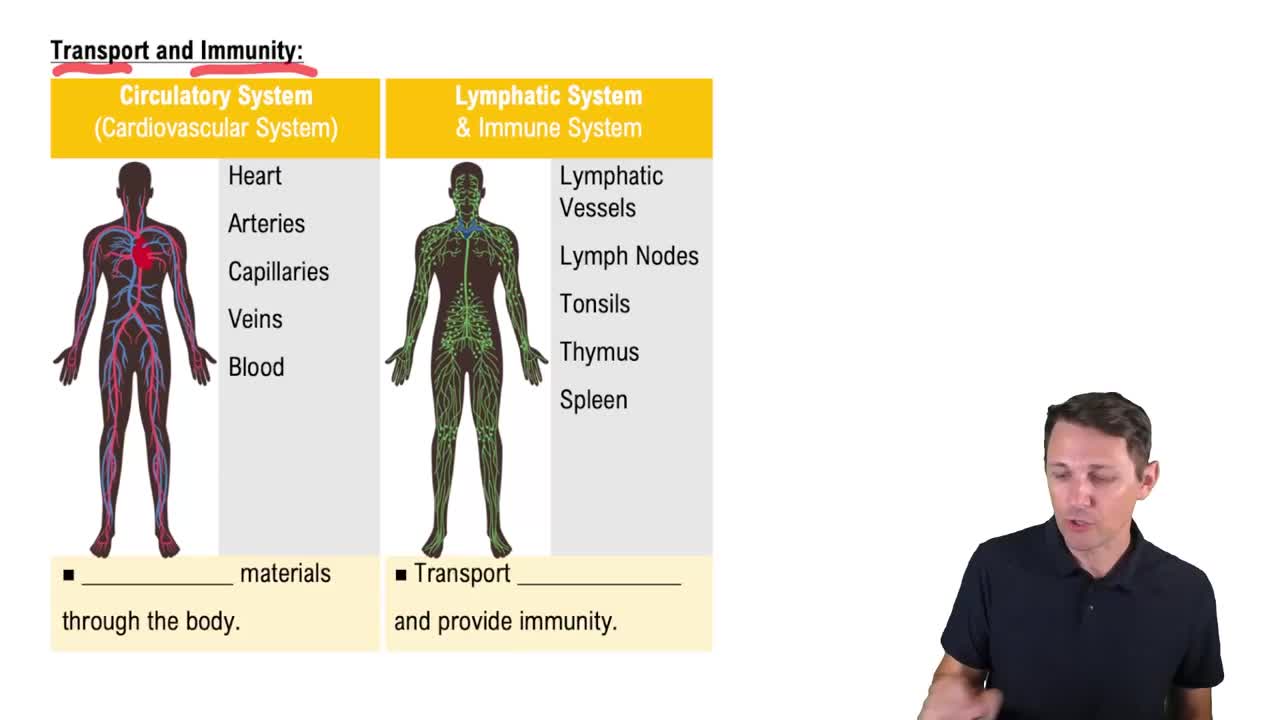
  • Which system rids the body of waste and transports nutrients?

    Circulatory system
  • Which conditions are considered obstructive respiratory conditions?

    Asthma, emphysema, and chronic bronchitis
  • If you were to jog for an hour, which body system would be most active in providing energy? a) Digestive system b) Respiratory system c) Muscular system d) Nervous system

    c) Muscular system
  • Prior to the administration of nitroglycerin, what should the nurse assess? a) Blood pressure b) Heart rate c) Respiratory rate d) Temperature

    a) Blood pressure
  • Which client is most likely at risk to become a victim of elder abuse? a) A healthy, independent senior b) A senior with cognitive impairment c) A senior living with family d) A senior with a strong social network

    b) A senior with cognitive impairment
  • Which organ is not involved in the synthesis of vitamin D?

    Heart
  • What is a true characteristic of all vertebrates?

    They all have a backbone
  • The nurse is assessing a client’s abdomen. For which reason should the nurse perform deep palpation? a) To assess skin temperature b) To evaluate bowel sounds c) To identify abdominal masses d) To check for surface tenderness

    c) To identify abdominal masses
  • Which responsibility best describes the role of a nurse as manager? a) Directing patient care b) Administering medication c) Performing surgery d) Diagnosing conditions

    a) Directing patient care
  • According to dietary guidelines, what type of foods should be eaten?

    Eat a variety of nutrient-dense foods
  • What is a group of organs that work together to accomplish a task? a) Tissue b) Organ system c) Cell d) Organism

    b) Organ system
  • What is the function of the thymus gland?

    A gland involved in immune function
  • Which action by the nurse initiates the physical assessment of a patient’s mobility? a) Asking the patient to walk b) Observing the patient in bed c) Checking the patient's chart d) Measuring the patient's height

    a) Asking the patient to walk
  • Which statement describes how the nursing process applies to pharmacology? a) It involves only medication administration b) It includes assessment, planning, implementation, and evaluation c) It focuses solely on drug interactions d) It excludes patient education

    b) It includes assessment, planning, implementation, and evaluation
  • Based on the tree below, what is the primary function of the roots? a) Photosynthesis b) Nutrient absorption c) Seed production d) Flowering

    b) Nutrient absorption