Back

Introduction to Organ Systems quiz #4

Control buttons has been changed to "navigation" mode.
1/40
  • What is the function of the tube feet in echinoderms? a) Locomotion b) Digestion c) Respiration d) Reproduction

    a) Locomotion
  • Which patient is the highest priority? a) A patient with a mild headache b) A patient with chest pain c) A patient with a low-grade fever d) A patient who is sleeping

    b) A patient with chest pain
  • What is the role of the vascular cambium in plants?

    It is responsible for secondary growth
  • What is the priority focused nursing assessment for a patient with respiratory distress? a) Heart rate b) Blood pressure c) Oxygen saturation d) Temperature

    c) Oxygen saturation
  • Which portal system is an example in the human body?

    Hepatic portal system
  • What causes infarction?

    It results from inadequate blood supply
  • Which current in a gyre is deep and cold? a) Western boundary current b) Eastern boundary current c) Equatorial current d) Countercurrent

    b) Eastern boundary current
  • What position should the patient be in to use a bedpan? a) Supine b) Prone c) Semi-Fowler's d) Trendelenburg

    c) Semi-Fowler's
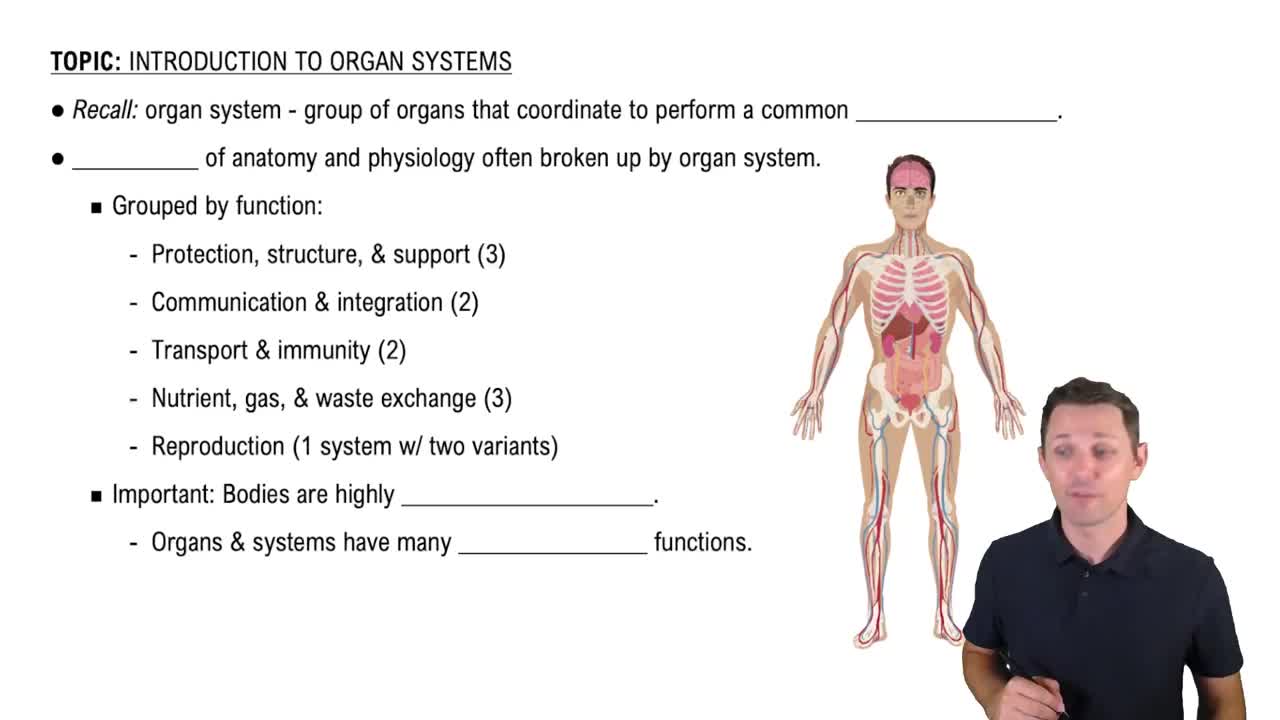
  • What describes an organ system? a) A group of cells with similar function b) A collection of tissues with a common function c) A group of organs that work together to perform a specific function d) A single organ with multiple functions

    c) A group of organs that work together to perform a specific function
  • The nurse is performing the technique shown. What is the nurse assessing? a) Heart rate b) Blood pressure c) Respiratory rate d) Temperature

    b) Blood pressure
  • Which body systems work together to remove waste from the body? a) Respiratory and digestive systems b) Urinary and respiratory systems c) Circulatory and nervous systems d) Endocrine and integumentary systems

    b) Urinary and respiratory systems
  • What does the corona radiata enclose?

    Ovum
  • What is the large flat muscle that separates the thoracic cavity from the abdominal cavity? a) Diaphragm b) Intercostal muscle c) Pectoralis major d) Rectus abdominis

    a) Diaphragm
  • Which statement describes the medulla? a) It is part of the brainstem b) It is involved in voluntary movement c) It is responsible for memory d) It is part of the limbic system

    a) It is part of the brainstem
  • Gout is a disorder of which body system?

    Musculoskeletal system
  • What occurs during the working phase of the nurse-client relationship? a) Establishing rapport b) Setting goals c) Implementing interventions d) Terminating the relationship

    c) Implementing interventions
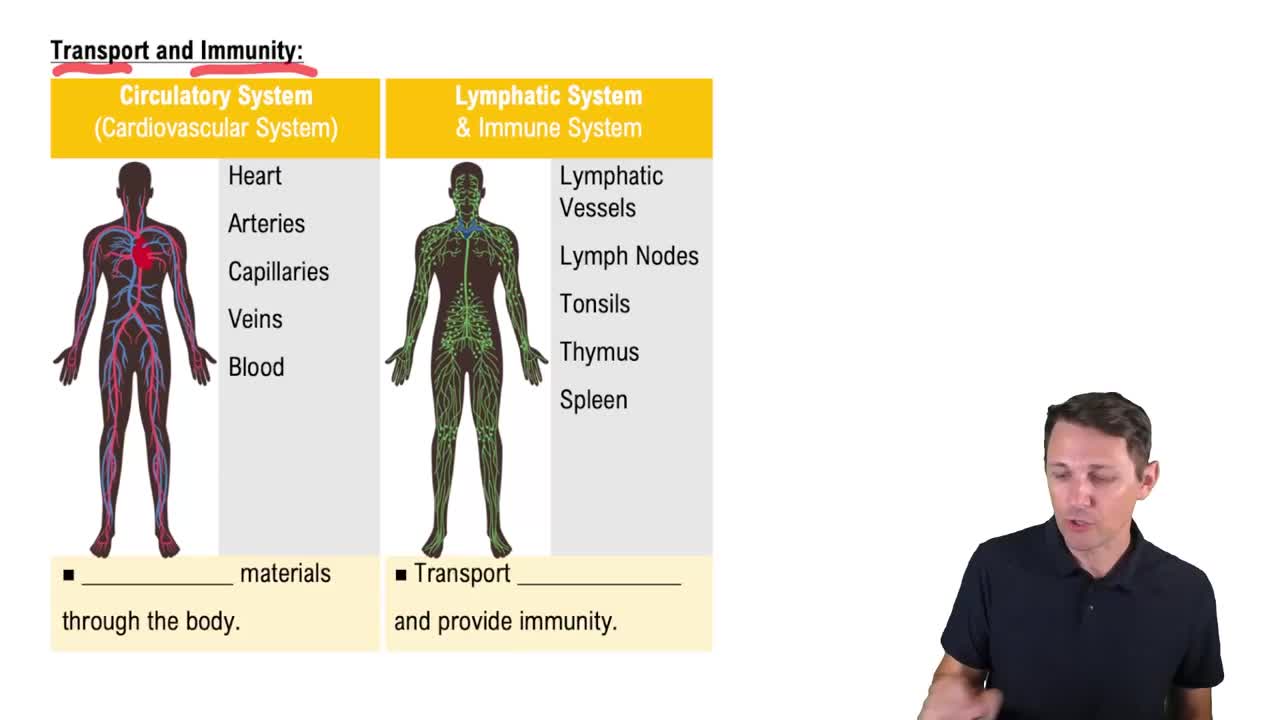
  • Which body system includes the heart and blood vessels? a) Respiratory system b) Circulatory system c) Digestive system d) Nervous system

    b) Circulatory system
  • In a tube-within-a-tube body plan, what does the inner tube represent? a) Skin b) Digestive tract c) Muscles d) Bones

    b) Digestive tract
  • Which organ is incorrectly paired with its function? a) Heart - pumps blood b) Lungs - exchange gases c) Liver - produces insulin d) Kidneys - filter blood

    c) Liver - produces insulin
  • What is the nurse’s priority action in caring for a client who has just had a liver biopsy? a) Encourage ambulation b) Monitor for bleeding c) Administer pain medication d) Provide a high-protein diet

    b) Monitor for bleeding
  • Which organ is responsible for exchanging gases in the body?

    Lungs - exchange gases
  • Why are some cells shaded gray in diagrams? a) To indicate they are inactive b) To show they are dead c) To highlight their importance d) To differentiate them from others

    d) To differentiate them from others
  • What condition is associated with gluten intolerance?

    Gluten intolerance
  • Which organs experience decreased blood flow during exercise?

    Digestive organs
  • All of the following are risk factors for atherosclerosis except for what? a) High cholesterol b) Smoking c) Regular exercise d) High blood pressure

    c) Regular exercise
  • What is a priority intervention when caring for an immobile client?

    Turning the client every two hours
  • Which body part supports body weight when sitting?

    Pelvis
  • The nurse is auscultating the chest in an adult. Which technique is correct? a) Using the bell of the stethoscope b) Using the diaphragm of the stethoscope c) Listening over clothing d) Listening with the stethoscope turned off

    b) Using the diaphragm of the stethoscope
  • What should a nurse teach a client to do prior to surgery?

    Practice deep breathing exercises
  • Which organ systems are necessary for the production of vitamin D? a) Integumentary and skeletal systems b) Digestive and respiratory systems c) Nervous and endocrine systems d) Circulatory and urinary systems

    a) Integumentary and skeletal systems
  • What is peristalsis?

    It is the rhythmic contraction of smooth muscles
  • Which behavior would the nurse expect a two-year-old child to exhibit? a) Sharing toys willingly b) Following complex instructions c) Engaging in parallel play d) Reading simple books

    c) Engaging in parallel play
  • The common hepatic duct is part of which organ system? a) Digestive system b) Respiratory system c) Circulatory system d) Nervous system

    a) Digestive system
  • What is an appropriately assigned task for a nursing assistant?

    Taking vital signs
  • Which organ protects the body from external harm? a) Heart b) Skin c) Liver d) Kidneys

    b) Skin
  • Which organ is retroperitoneal? a) Stomach b) Liver c) Kidney d) Heart

    c) Kidney
  • Which body system removes carbon dioxide and waste? a) Respiratory system b) Digestive system c) Nervous system d) Integumentary system

    a) Respiratory system
  • What is the focus during the preoperative phase of surgery? a) Ensuring patient safety b) Performing the surgery c) Administering anesthesia d) Discharging the patient

    a) Ensuring patient safety
  • What are some complications associated with immobility?

    Pressure ulcers, muscle atrophy, pneumonia
  • Which structure is not part of the hepatic portal system?

    Inferior vena cava