 Back
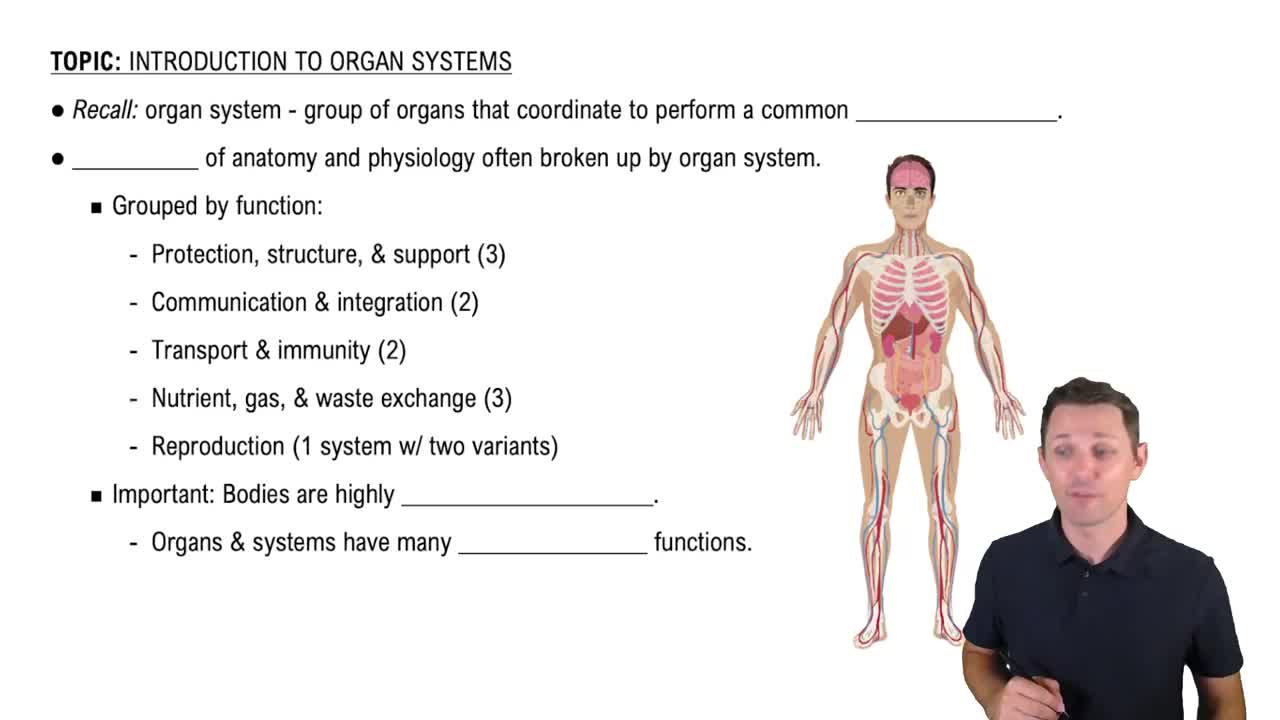
1.4 The 11 (12) Organ Systems
 02:29

Terms in this set (12)
Protects against environmental hazards; helps control body temperature; provides sensory information.
CONTAINS:
Hair
Skin
Nails
Integumentary System
Provides support; protects tissues; stores minerals; forms blood cells.
CONTAINS:
Axial skeleton
Appendicular skeleton
Skeletal System
Provides movement; provides protection; and support for other tissues; produces heat.
CONTAINS:
Axial muscles
Appendicular muscles
Tendons
Muscular System
Directs responses to stimuli, usually by coordinating the activities of other organ systems; provides and interprets sensory information about internal and external conditions.
CONTAINS:
Brain
Spinal cord
Peripheral nerves
Nervous System
Directs long-term changes in activities of other organ systems.
CONTAINS:
Pineal gland
Pituitary gland
Parathyroid gland
Thyroid gland
Thymus
Pancreas
Adrenal gland
Ovary in females
Testis in Males
Endocrine System
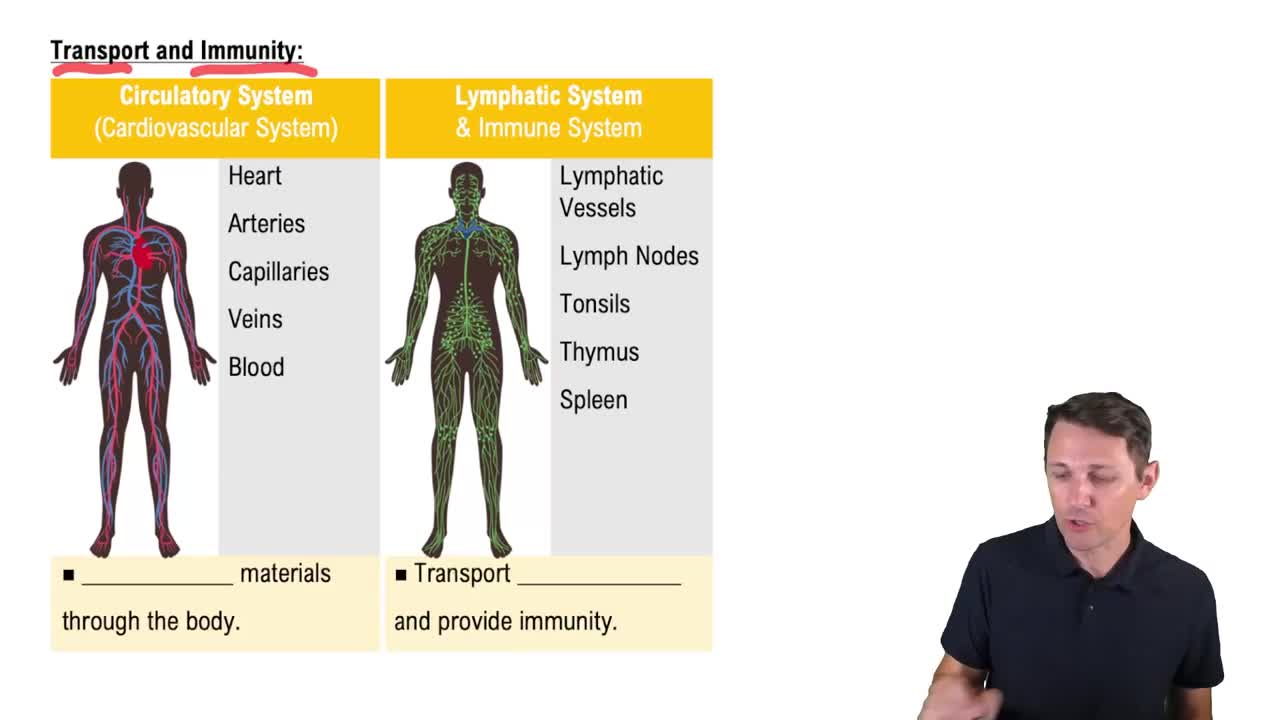
Transport cells and dissolved materials, including nutrients, wastes, oxygen, and carbon dioxide.
CONTAINS:
Heart
Capillaries
Artery
Vein
Cardiovascular System
Defends against infection and disease; returns tissue fluids to the bloodstream.
CONTAINS:
Thymus
Lymph nodes
Spleen
Lymphatic vessel
Lymphatic System
Delivers air to sites in the lungs where gas exchange occurs between the air and bloodstream; produces sound for communication.
CONTAINS:
Nasal cavity
Sinus
Pharynx
Larynx
Bronchi
Lung
Diaphragm
Respiratory System
Processes food and absorbs nutrients.
CONTAINS:
Salivary gland
Mouth, teeth, tongue
Pharynx
Esophagus
Liver
Gallbladder
Stomach
Pancreas
Small and large intestines
Anus
Digestive System
Excretes waste products from blood; controls water balance by regulating the volume of urine produced.
CONTAINS:
Kidney
Ureter
Urinary bladder
Urethra
Urinary System
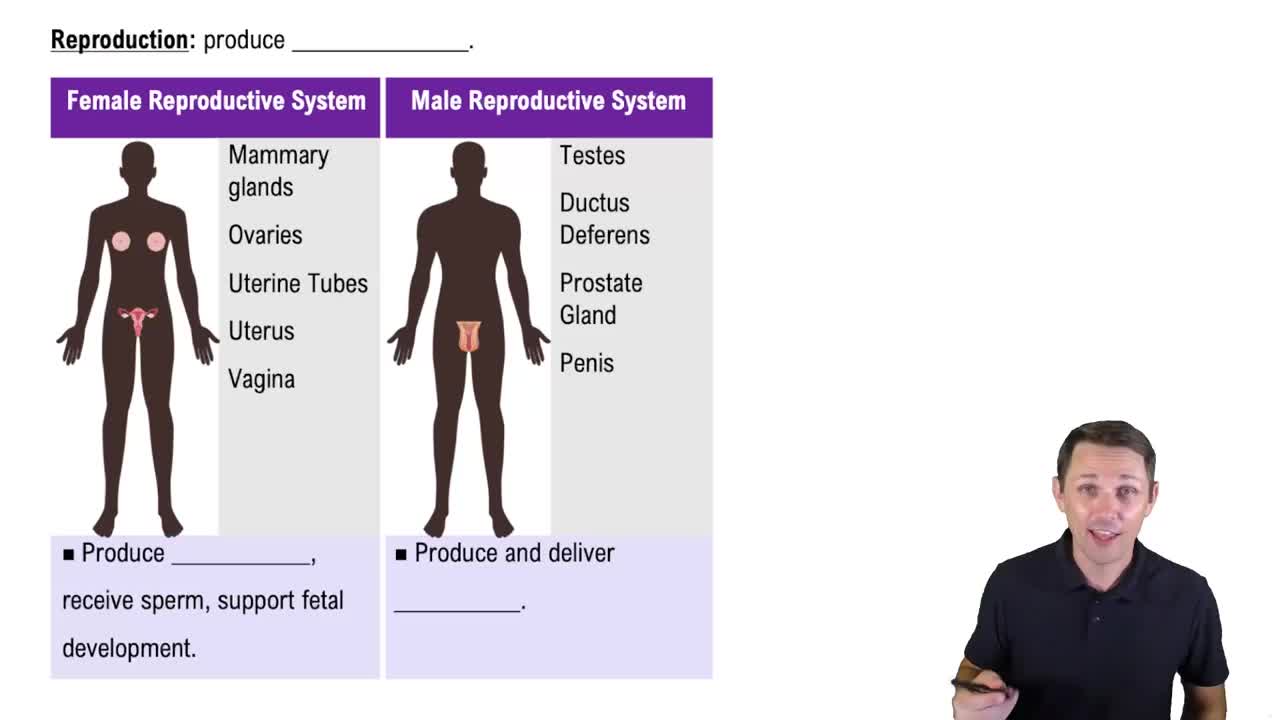
Produces male sex cells (sperm) and hormones.
CONTAINS:
Prostate gland
Seminal gland
Ductus deferens
Urethra
Epididymis
Testis
Penis
Scrotum
Male Reproductive System
Produces female sex cells (oocytes, or immature eggs) and hormones; supports embryonic and fetal development from fertilization to birth.
CONTAINS:
Mammary gland
Uterine tube
Ovary
Uterus
Vagina
External genitalia
Female Reproductive System