Back

Anatomy & Physiology: Cell, Tissue, and Membrane Fundamentals

Control buttons has been changed to "navigation" mode.
1/22
  • What is the primary function of the plasma membrane?

    The plasma membrane is a selectively permeable barrier that regulates the movement of substances in and out of the cell.
  • What are the main components of the plasma membrane?

    Phospholipid bilayer, embedded proteins (integral and peripheral), cholesterol, glycoproteins, and glycolipids.
  • Describe the orientation of phospholipids in the plasma membrane.

    Phospholipids form a bilayer with hydrophilic heads facing outward and hydrophobic tails facing inward.
  • What role does cholesterol play in the plasma membrane?

    Cholesterol stabilizes membrane fluidity, helping maintain membrane integrity under varying temperatures.
  • What is membrane potential and how is it maintained?

    Membrane potential is the difference in charge across the membrane, maintained mainly by ion gradients such as the sodium-potassium pump moving 3 Na+ out and 2 K+ in.
  • Name the major organelles and their primary functions.

    Nucleus (DNA storage/control), Mitochondria (ATP production), Rough ER (protein synthesis), Smooth ER (lipid synthesis), Golgi Apparatus (protein/lipid modification), Lysosomes (waste digestion), Ribosomes (protein synthesis).
  • Define osmosis and its direction of water movement.

    Osmosis is the movement of water across a semipermeable membrane from low solute concentration to high solute concentration.
  • What happens to a cell in a hypertonic solution?

    The cell loses water and shrinks because the external solute concentration is higher than inside the cell.
  • What are the four primary tissue types in the human body?

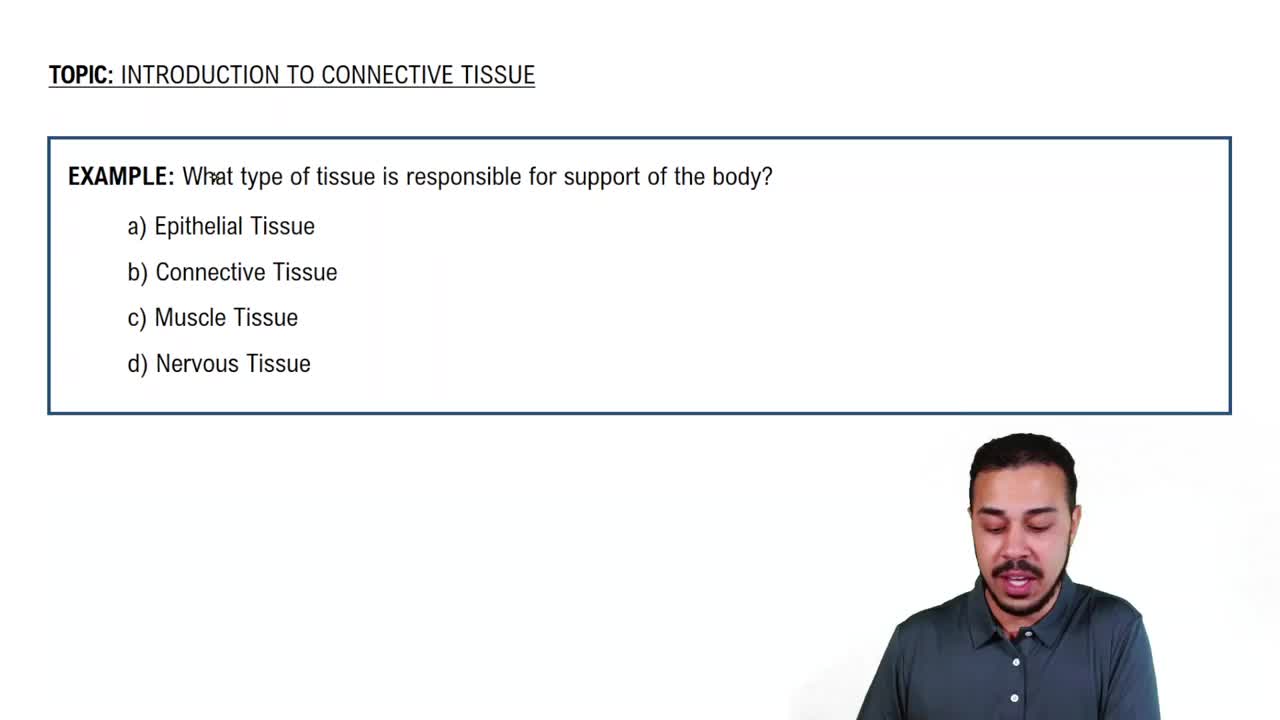
    Epithelial, Connective, Muscle, and Nervous tissues.
  • What is the main function of epithelial tissue?

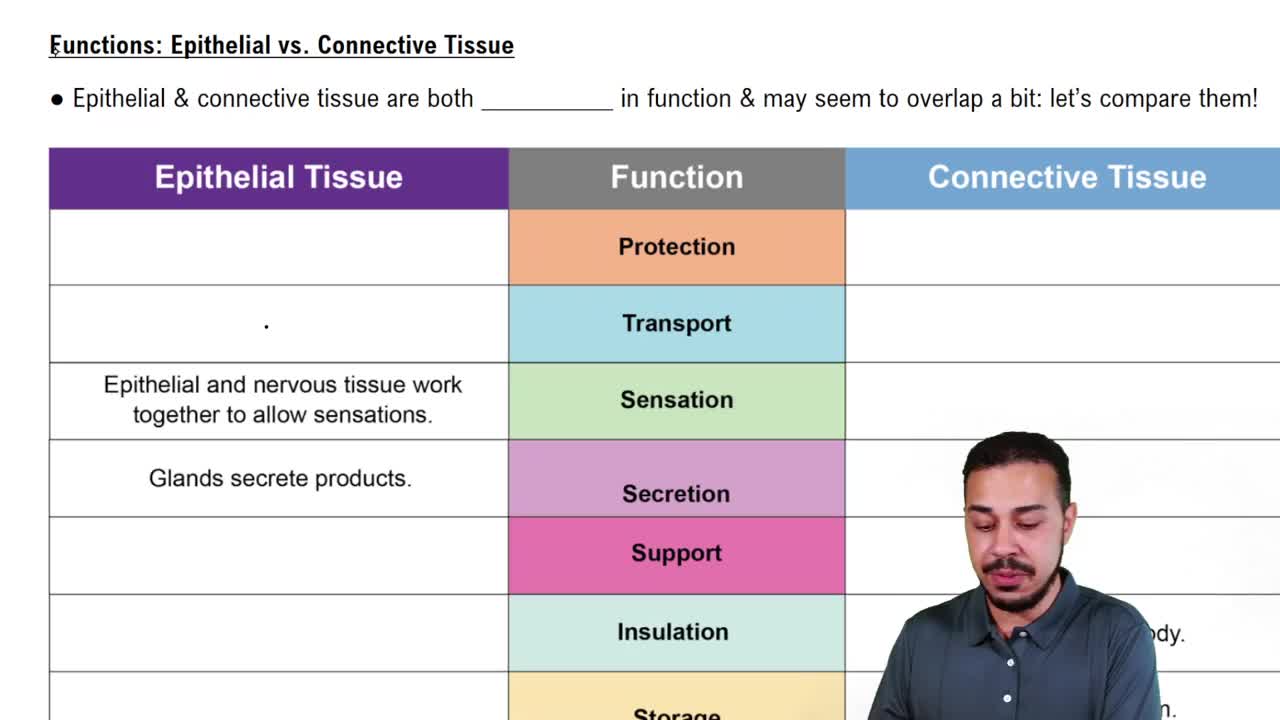
    Epithelial tissue covers surfaces, lines cavities, and forms glands with tightly packed cells.
  • List types of connective tissue and their functions.

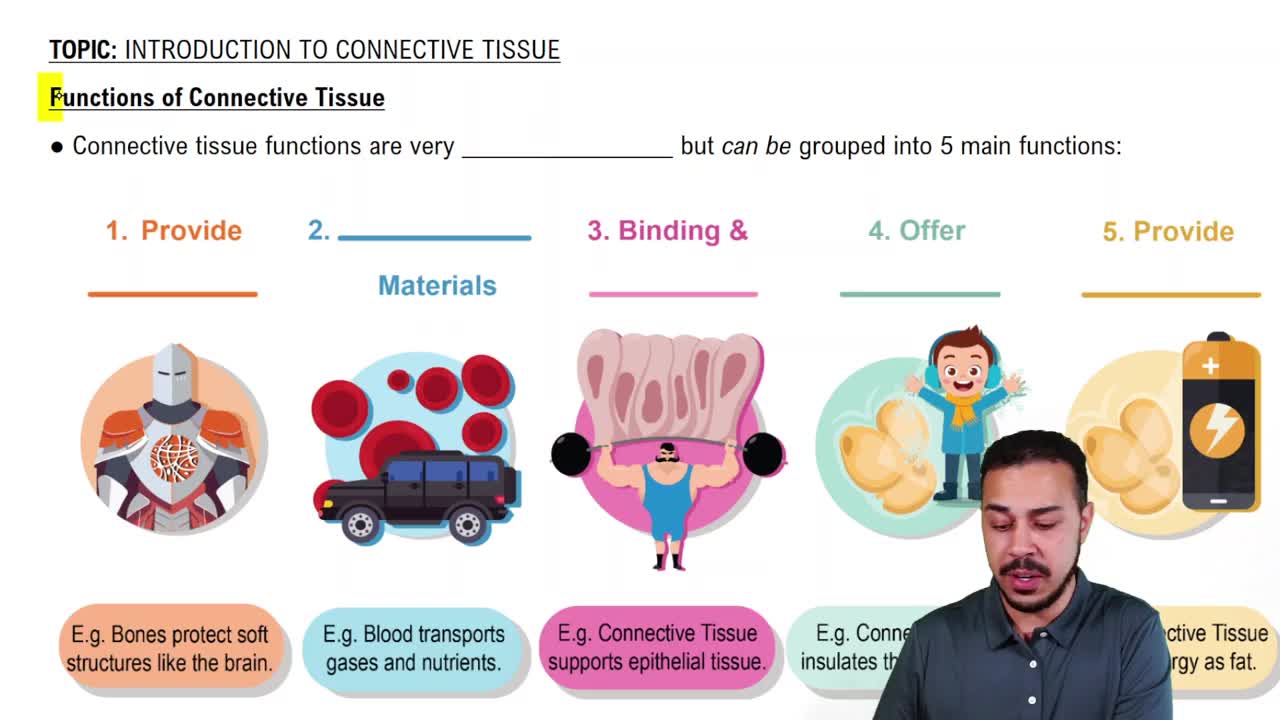
    Loose connective tissue (cushioning/support), Dense connective tissue (tendons, dermis), Cartilage (joint support), Bone (rigid support), Blood (transport).
  • What are the layers of the skin and their characteristics?

    Epidermis (outer, keratinized stratified squamous epithelium), Dermis (dense irregular connective tissue with vessels and nerves), Hypodermis (adipose tissue).
  • What is keratin and its role in the skin?

    Keratin is a tough, fibrous protein in the epidermis that provides waterproofing and protection.
  • Describe the degrees of burns and their effects.

    First-degree: epidermis only, redness and pain; Second-degree: epidermis and part of dermis, blisters and pain; Third-degree: through dermis, may destroy nerves, requires medical care.
  • What are serous membranes and their function?

    Serous membranes line body cavities not open to the exterior and secrete serous fluid to reduce friction around organs.
  • What is the anatomical position?

    Standing upright, facing forward, arms at sides, palms facing forward; standard reference for body directions.
  • Name and describe the three main body planes.

    Frontal (divides anterior/posterior), Transverse (divides superior/inferior), Sagittal (divides left/right).
  • Differentiate between exocrine and endocrine glands.

    Exocrine glands secrete into ducts (e.g., sweat glands); endocrine glands secrete hormones directly into the bloodstream (e.g., thyroid).
  • What is homeostasis and how is it maintained?

    Homeostasis is the maintenance of a stable internal environment, regulated by feedback mechanisms like negative and positive feedback.
  • Contrast apoptosis and autolysis.

    Apoptosis is programmed cell death preventing inflammation; autolysis is self-digestion by lysosomal enzymes after cell injury.
  • Why do some tissues heal better than others?

    Tissues like epithelial and connective heal well due to high cell turnover; nervous and muscle tissues heal poorly due to limited cell division.
  • What is the difference between saturated and unsaturated fats in membranes?

    Saturated fats have no double bonds and make membranes less fluid; unsaturated fats have one or more double bonds increasing membrane fluidity.