 Back
BackAnatomy & Physiology Final Exam Review
 7:06
7:06
Terms in this set (29)
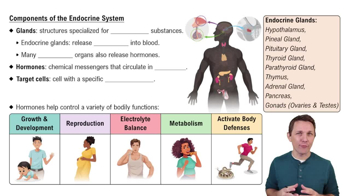
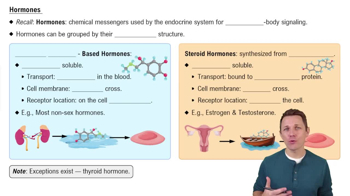
Primary endocrine organs produce hormones as their main function; secondary endocrine organs produce hormones but have other primary functions.
Endocrine glands secrete hormones directly into the bloodstream; exocrine glands secrete substances through ducts to an epithelial surface.
The adrenal cortex has three layers: zona glomerulosa (produces mineralocorticoids), zona fasciculata (produces glucocorticoids), and zona reticularis (produces androgens).
The pancreas releases insulin and glucagon to regulate blood glucose levels.
Blood transports gases, nutrients, wastes, hormones, and helps regulate temperature and pH.
Neutrophils (phagocytosis), Lymphocytes (immune response), Monocytes (become macrophages), Eosinophils (combat parasites), Basophils (release histamine).
Hemoglobin is a protein in red blood cells that binds oxygen for transport.
Hematopoiesis is the process of blood cell formation regulated by growth factors in the bone marrow.
Platelets aid in blood clotting and are produced by megakaryocytes in the bone marrow.
Hemostasis involves vascular spasm, platelet plug formation, and coagulation to stop bleeding.
Blood flows: body → right atrium → right ventricle → lungs → left atrium → left ventricle → body.
The conduction system includes the SA node, AV node, bundle of His, bundle branches, and Purkinje fibers.
The lymphatic system returns fluid to blood, absorbs fats, and aids immune defense.
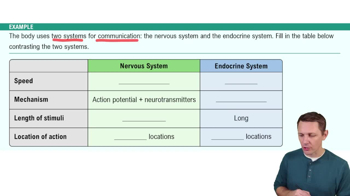
Negative feedback reduces hormone output to maintain balance; positive feedback amplifies hormone release.
Cephalic (anticipation), gastric (stomach activity), and intestinal (small intestine digestion) phases regulate digestion.
Peristalsis moves food along the tract; segmentation mixes food for digestion and absorption.
The nephron is the kidney's functional unit responsible for filtering blood and forming urine.
RAAS regulates blood pressure and fluid balance by controlling vasoconstriction and sodium retention.
Alveoli are tiny sacs where oxygen and carbon dioxide exchange occurs between air and blood.
Primary muscles: diaphragm and intercostals; accessory muscles assist during forced breathing.
Gamete production involves meiosis, producing haploid sperm or eggs for reproduction.
Testosterone and LH regulate sperm production and secondary sex characteristics.
Follicular, ovulation, and luteal phases controlled by FSH, LH, estrogen, and progesterone.
The corpus luteum produces progesterone to maintain the uterine lining after ovulation.
The micturition reflex controls bladder emptying via nervous system signals.
Osmolarity measures solute concentration in body fluids, affecting water movement.
Includes fenestrated endothelium, basement membrane, and podocytes; allows plasma filtration but blocks cells and large proteins.
Shows hemoglobin saturation with oxygen at different partial pressures, influenced by pH and CO2.
Increased CO2 and decreased pH reduce hemoglobin's oxygen affinity, enhancing oxygen release to tissues.