 Back
Anatomy & Physiology: Regions, Systems, and Cavities
 02:29

Terms in this set (20)
Anatomical regions are specific areas of the body used to describe locations precisely, such as the thoracic or abdominal regions.
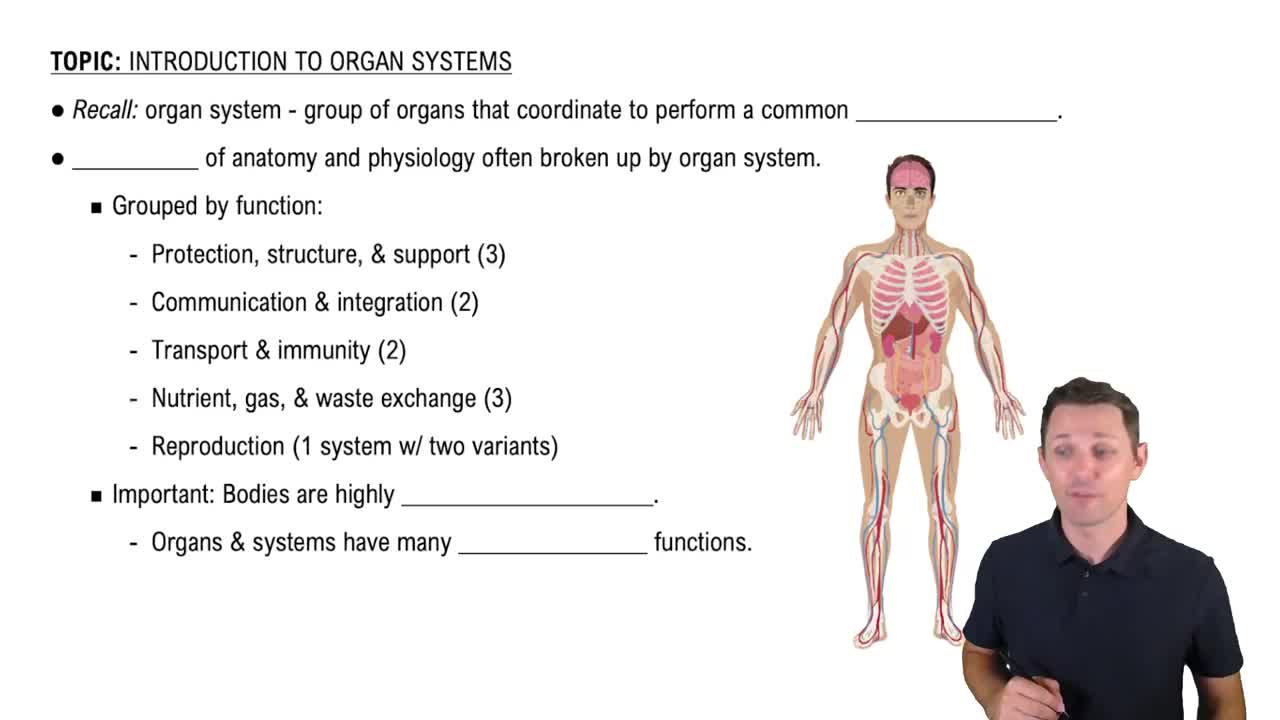
Major body systems include the circulatory, respiratory, digestive, nervous, muscular, skeleton, endocrine, urinary, reproductive, and integumentary systems.
Body cavities protect internal organs and allow them to expand and contract, such as the thoracic and abdominal cavities.
The two main body cavities are the dorsal cavity and the ventral cavity.
The thoracic cavity contains the heart, lungs, esophagus, and trachea.
The abdominal cavity houses digestive organs like the stomach, liver, intestines, and kidneys.
The skeletal system provides structure, protects organs, anchors muscles, and produces blood cells.
The endocrine system controls body functions by releasing hormones into the bloodstream.
The integumentary system includes the skin, hair, nails, and glands, protecting the body and regulating temperature.
The nervous system controls and coordinates body activities by transmitting signals between different body parts.
The muscular system enables movement, maintains posture, and produces heat.
The dorsal cavity contains the brain and spinal cord, divided into the cranial and vertebral cavities.
The pelvic cavity contains reproductive organs, the bladder, and the rectum.
Body regions help locate structures and describe injury or disease locations precisely.
The ventral cavity includes the thoracic, abdominal, and pelvic cavities housing most internal organs.
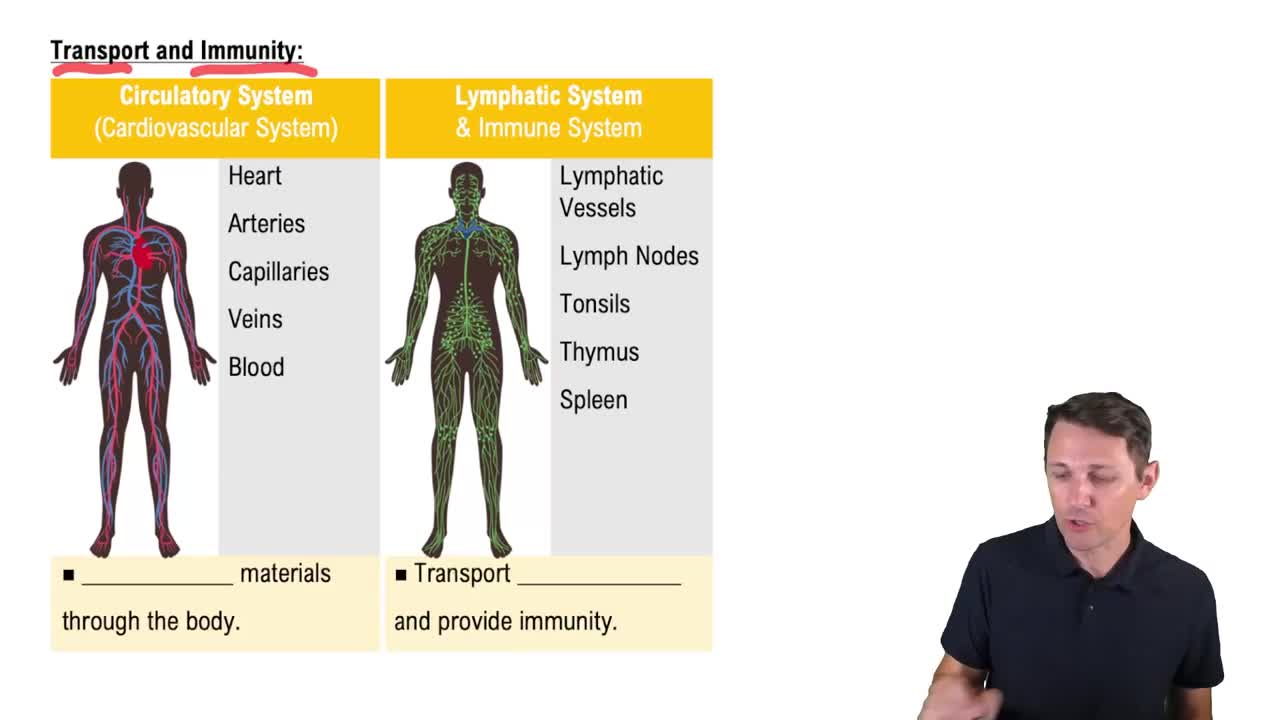
The circulatory system transports blood, nutrients, gases, and wastes throughout the body.
The respiratory system facilitates gas exchange, bringing oxygen in and removing carbon dioxide.
The digestive system breaks down food, absorbs nutrients, and eliminates waste.
The urinary system removes waste products from the blood and maintains fluid balance.
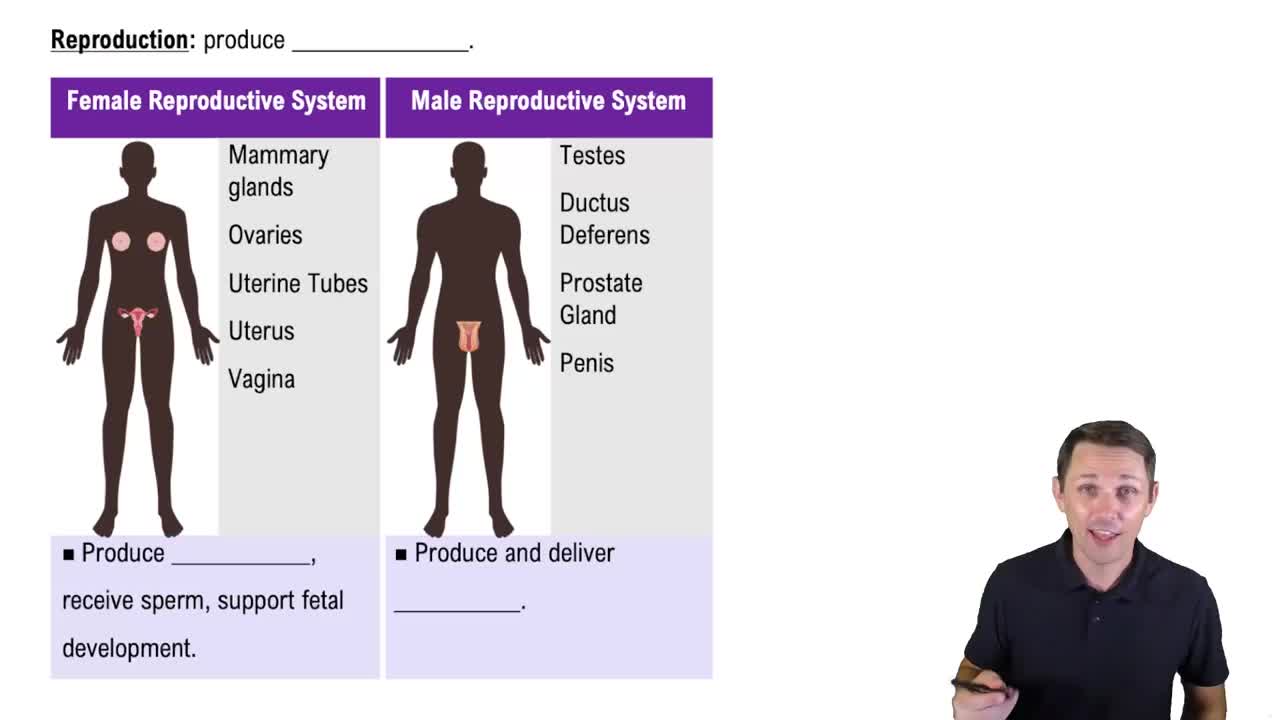
The reproductive system includes organs involved in producing offspring, such as ovaries and testes.