 Back
Anatomy & Physiology: Skeletal System and Skull Organization
 04:19

Terms in this set (30)
Concentric lamellae are concentric bony layers surrounding central canals in bone microanatomy.
Osteons are rings of concentric thin plates (lamellae) forming the structural unit of compact bone.
Central canals are channels in osteons containing blood vessels, lymphatics, and nerves.
Lacunae are small spaces between lamellae that house osteocytes.
Perforating canals run horizontally, connecting central canals and containing neurovascular bundles.
Interstitial lamellae are remnants of lamellae that do not circle a central canal.
Canaliculi are small diffusion channels allowing nutrient and gas exchange between osteocytes.
A foramen is a hole in a bone, e.g., optic foramen, foramen magnum, mental foramina.
A fissure is a narrow slit-like opening, such as the superior and inferior orbital fissures.
Meatus or canal is a tube-like passage, e.g., external auditory meatus.
A fossa is a shallow depression, e.g., mandibular fossa, glenoid fossa.
A process is a projection or outgrowth of bone, e.g., coronoid process, styloid process, spinous process.
A tubercle is a small rounded projection, e.g., rib tubercle, conoid tubercle of clavicle.
A facet is a smooth, flat articular surface, e.g., articular facets of vertebrae.
An angle is a bend or corner in a bone, e.g., mandibular angle, scapular angles.
A condyle is a rounded articular projection, e.g., occipital condyles, mandibular condyle.
A spine is a sharp, slender projection, e.g., anterior superior iliac spine (ASIS).
A tuberosity is a large, roughened projection, e.g., ischial tuberosity, iliac tuberosity.
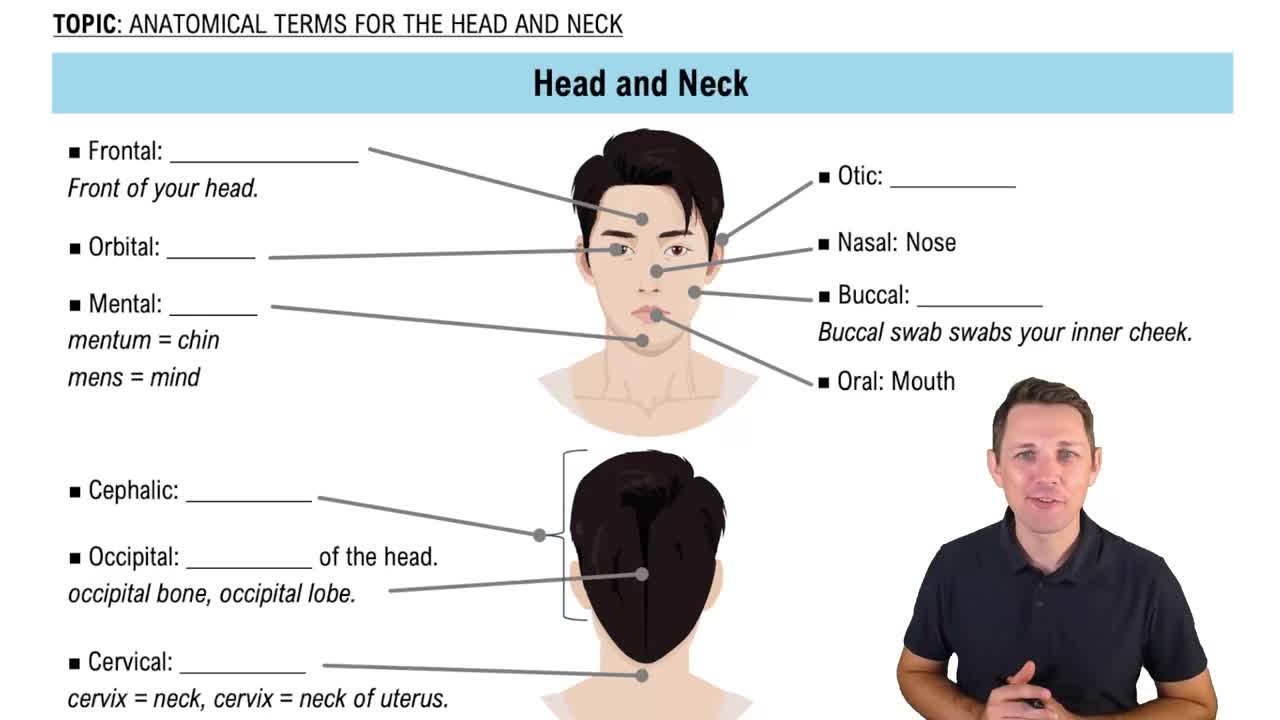
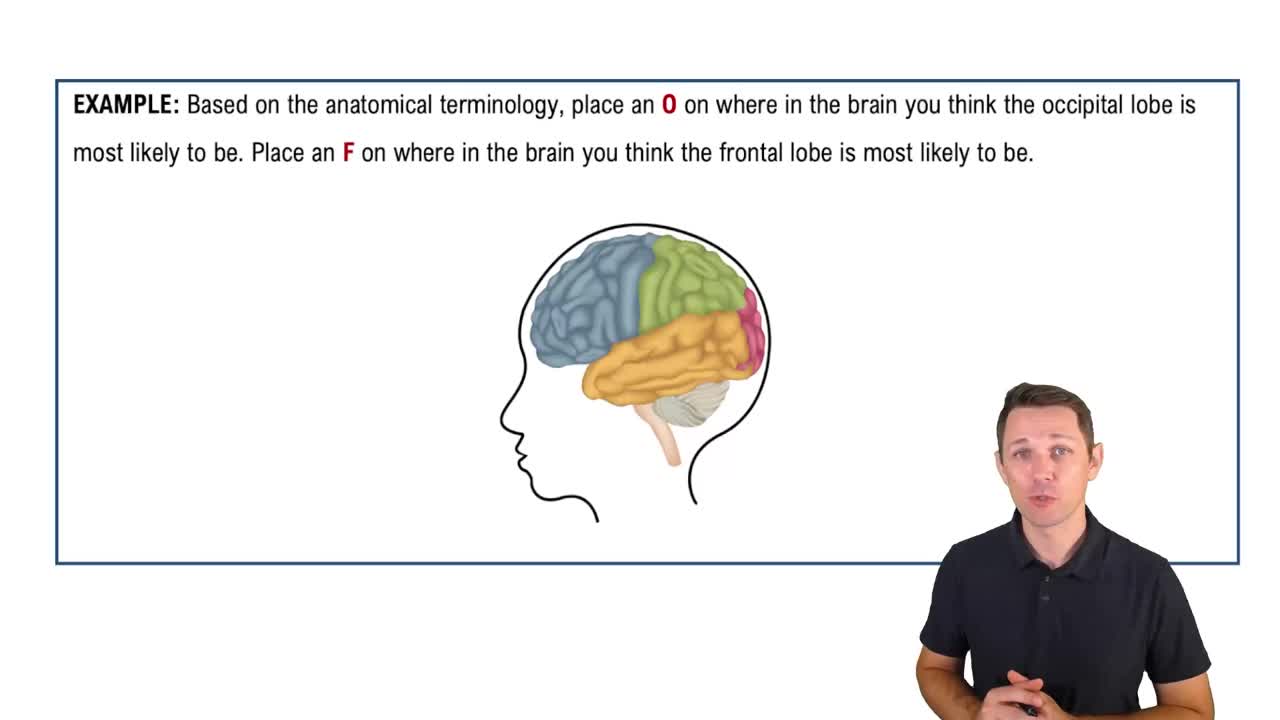
The occipital bone forms the posterior skull base; includes the external occipital protuberance, occipital condyles, and foramen magnum.
The frontal bone forms the forehead; includes the supraorbital margin and supraorbital foramen.
Parietal bones form the side and roof of the cranium; sutures include coronal, sagittal, squamous, and lambdoidal.
Temporal bones form the temple; include external auditory meatus, styloid process, mastoid process, mandibular fossa, and zygomatic process.
The sphenoid bone is an irregular 'bat-shaped' bone; includes optic foramen, sella turcica, greater and lesser wings, superior and inferior orbital fissures.
The ethmoid bone is anterior to sphenoid; includes crista galli, cribriform plate, middle and superior nasal conchae, perpendicular plate, and orbital plate.
The mandible is the lower jaw; includes ramus, condylar process, coronoid process, body, mandibular angle, mental foramen, and mandibular notch.
The maxilla forms the upper jaw; includes the infraorbital foramen.
The zygomatic bones form the cheekbones; include the temporal process.
Nasal bones form the nose bridge; lacrimal bones are on the medial eye socket wall and include the lacrimal fossa for tear ducts.
Palatine bones form the roof of the mouth and nasal cavity walls; the vomer forms the lower nasal septum.
Fontanels are connective tissue regions between sutures in the fetal skull allowing growth.