 Back
BackAReproductive Systems and Related Physiology
 1:07
1:07
Terms in this set (23)
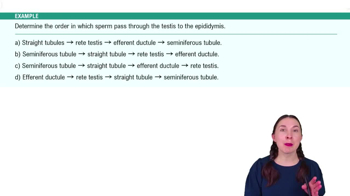
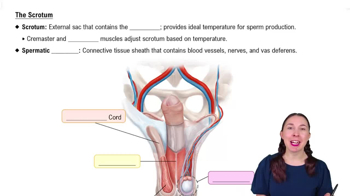
The testes produce sperm and testosterone, the primary male sex hormone.
The epididymis matures and stores sperm until ejaculation.
The vas deferens transports sperm from the epididymis to the urethra during ejaculation.
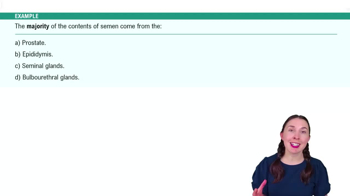
Seminal vesicles add fluid containing fructose for sperm energy and an alkaline fluid to semen.
The prostate gland adds fluid with enzymes that protect sperm and aid motility.
Bulbourethral glands secrete a mucus-like fluid that lubricates and neutralizes acidity in the urethra.
Hypothalamus releases GnRH, stimulating the anterior pituitary to release LH and FSH.
LH stimulates the testes to produce testosterone.
FSH supports sperm production in the testes.
Testosterone provides negative feedback to the hypothalamus and pituitary to regulate hormone levels.
Oogenesis progresses from primary oocyte (before birth) to secondary oocyte (during cycle), then ovulation, and if fertilized, completes development.
The ovarian cycle controls egg development and ovulation.
The uterine cycle prepares the uterine lining for implantation and supports pregnancy.
Ovaries produce eggs and hormones like estrogen and progesterone.
Fallopian tubes transport the egg and are the usual site of fertilization.
The uterus supports implantation and fetal development.
The endometrium thickens for implantation and sheds during menstruation if no pregnancy occurs.
The cervix controls passage into the uterus and helps hold the pregnancy.
The vagina receives sperm and acts as the birth canal.
The vulva consists of external structures that protect the reproductive openings.
Hormones are controlled by the endocrine system, blood carries hormones and nutrients, and muscles assist during childbirth.
Reproduction passes genes to offspring; after fertilization, a zygote becomes an embryo and then a fetus.
Regulates blood pressure via water/salt balance and renin release, produces erythropoietin for red blood cell production, and maintains blood chemistry balance.