 Back
BackHistology and Integumentary System - Anatomy & Physiology
 03:32
03:32
Terms in this set (20)
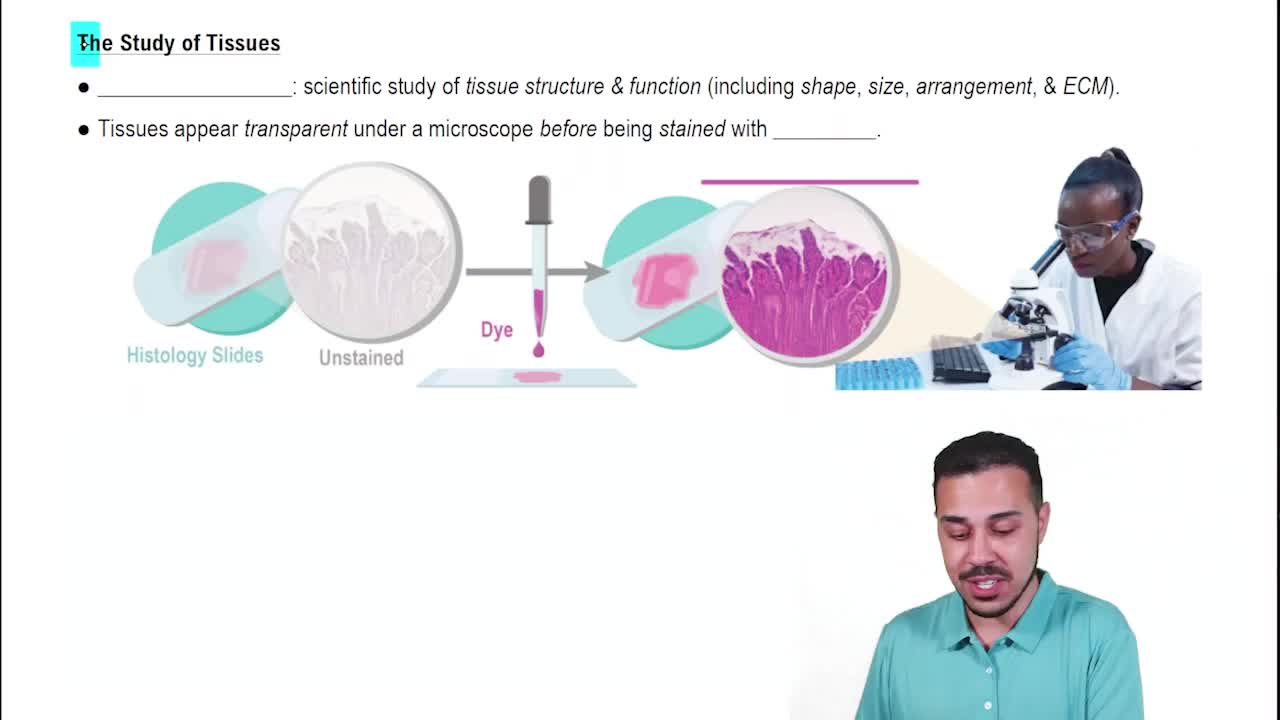
Histology is the study of the microscopic structure of tissues.
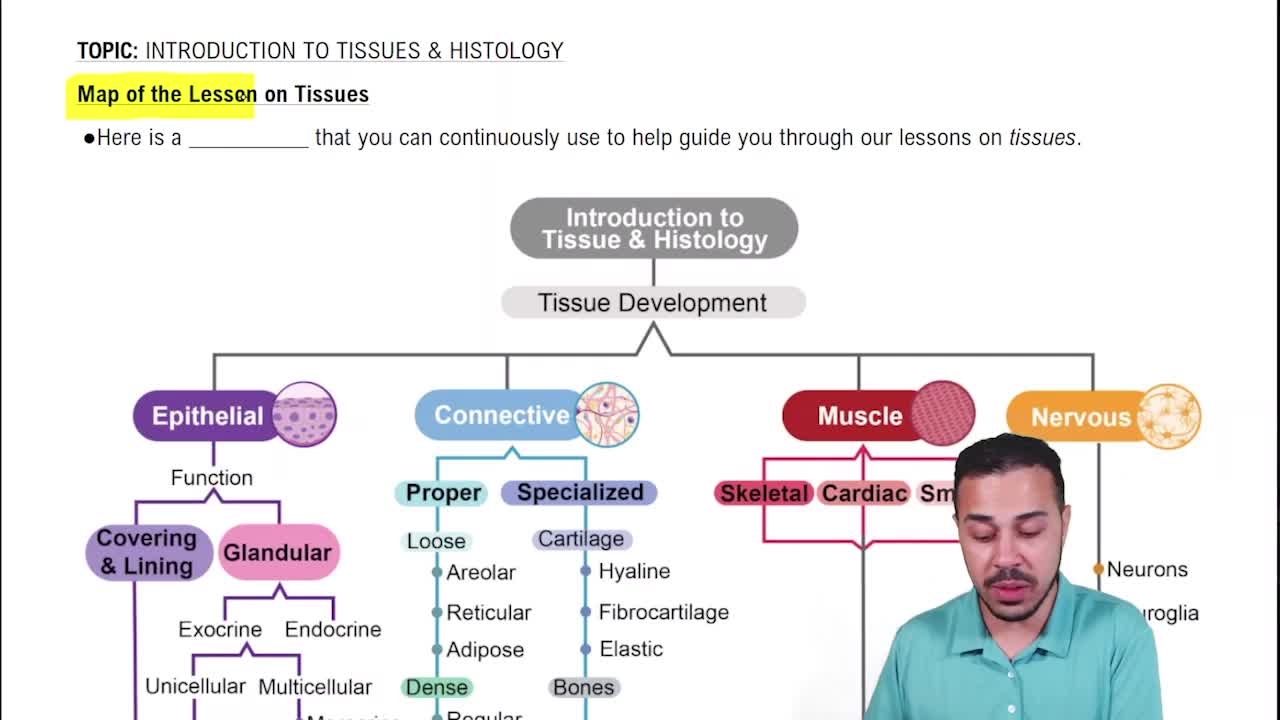
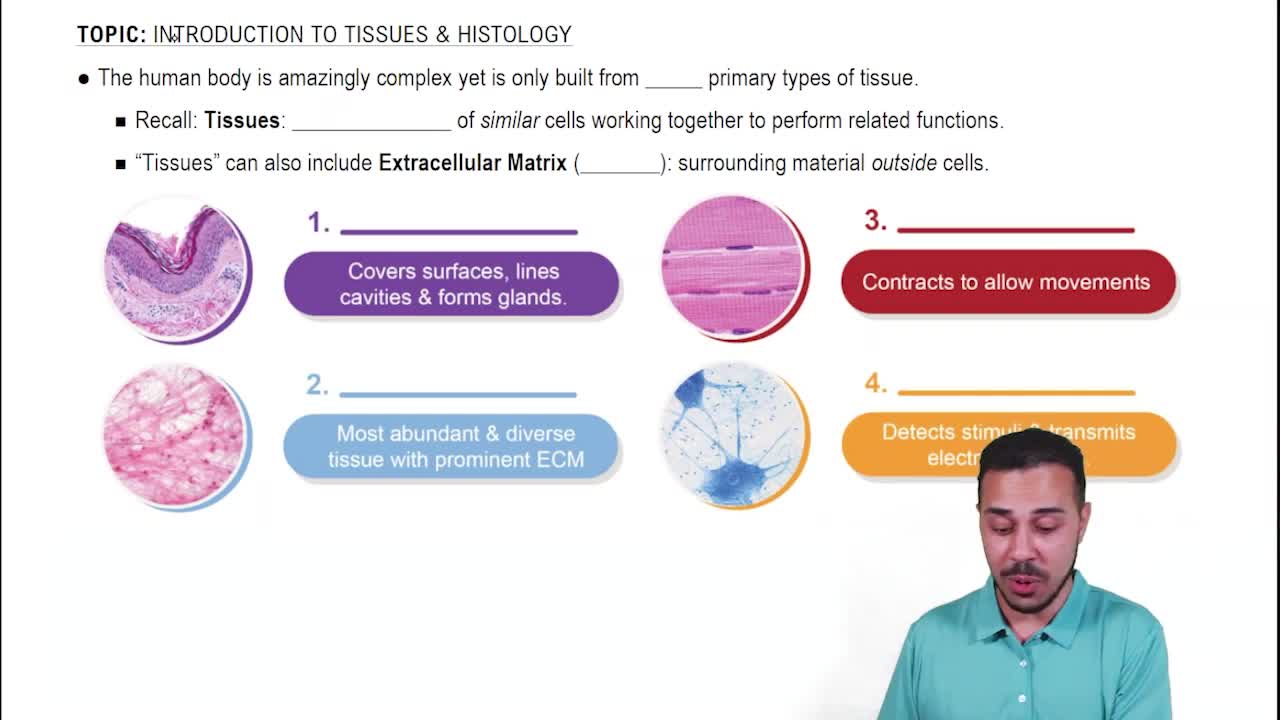
Epithelial, connective, muscle, and nervous tissues.
To cover body surfaces, line cavities, and form glands.
Epidermis, dermis, and hypodermis (subcutaneous layer).
Keratinized stratified squamous epithelium.
Keratin provides protection and waterproofing to the skin.
The dermis contains blood vessels.
Papillary (superficial) and reticular (deep) layers.
Primarily loose connective tissue and adipose tissue.
Provides insulation and cushioning for the body.
Melanocytes produce melanin pigment.
Protects skin cells from UV radiation damage.
The stratum corneum is the outermost layer.
Dense irregular connective tissue predominates in the dermis.
Meissner's corpuscles detect light touch.
To regulate body temperature through sweat secretion.
Arrector pili muscle, a smooth muscle.
Causes hair to stand up, producing goosebumps.
Langerhans cells act as antigen-presenting immune cells.
Provides support, strength, and elasticity to the skin.