 Back
Human Body Systems - Anatomy & Physiology
 02:29

Terms in this set (9)
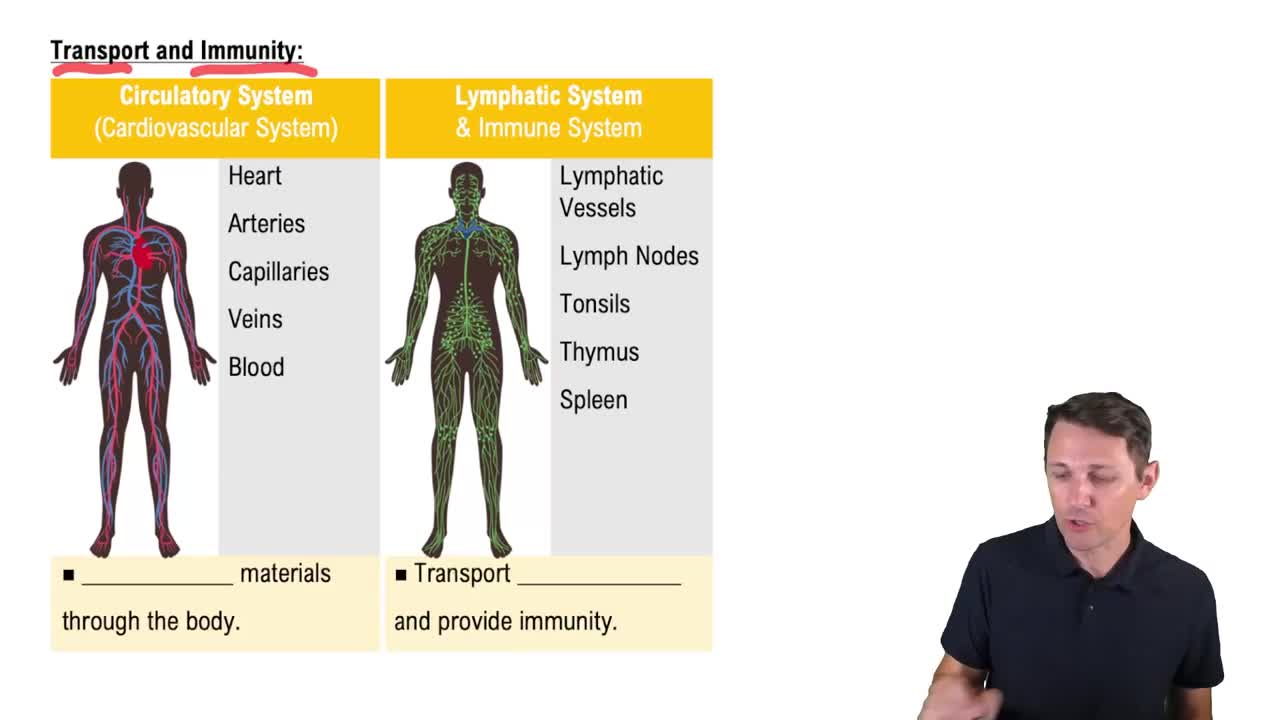
Picks up fluid leaked from blood vessels and returns it to blood. Disposes of debris in the lymphatic stream. Houses white blood cells (lymphocytes) involved in immunity. The immune response attacks foreign substances.
Keeps blood supplied with oxygen and removes carbon dioxide. Gas exchange occurs through the walls of the air sacs of the lungs.
Breaks down food into absorbable units that enter the blood for distribution to body cells. Indigestible foodstuffs are eliminated as feces.
Eliminates nitrogenous wastes from the body. Regulates water, electrolyte, and acid-base balance of the blood.
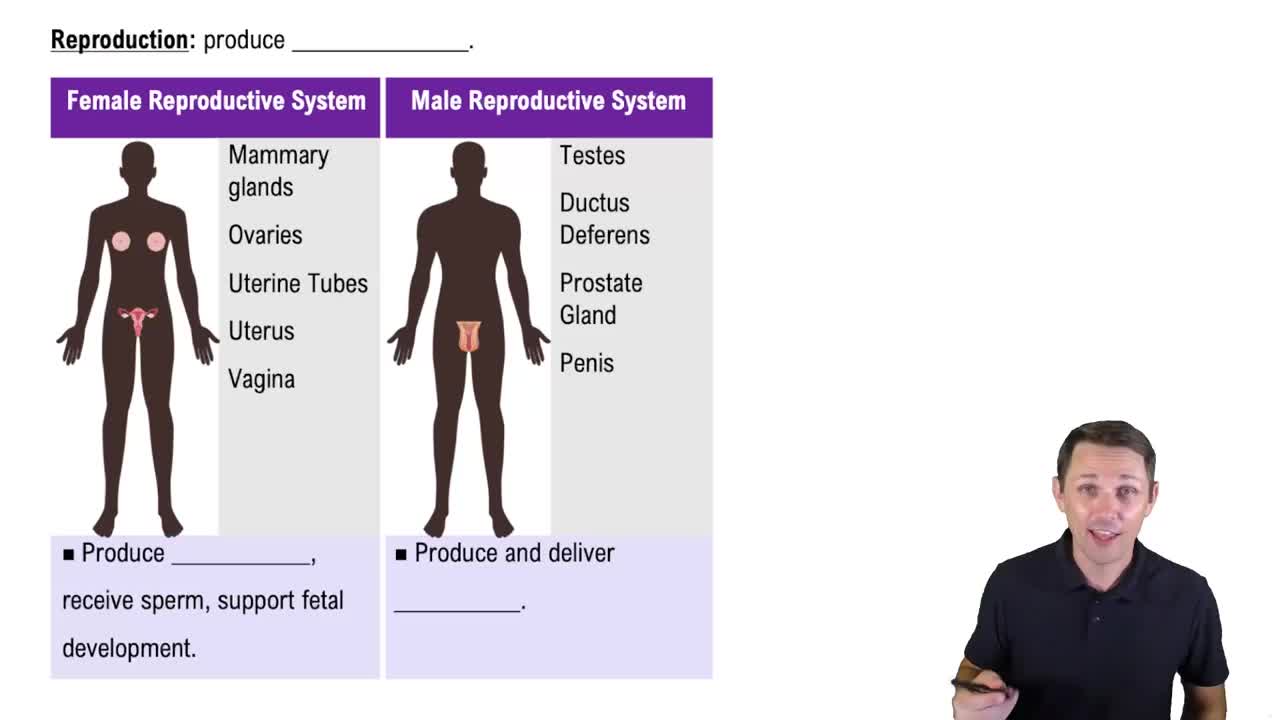
Produces sperm and male sex hormone. Male ducts and glands aid in delivery of sperm to the female reproductive tract.
Produces eggs and female sex hormones. Serves as sites for fertilization and development of the fetus. Mammary glands produce milk to nourish the newborn.
Fast-acting control system of the body. Responds to internal and external changes by activating appropriate muscles and glands.
Glands secrete hormones that regulate growth, reproduction, and nutrient use (metabolism) by body cells.
Blood vessels transport blood carrying oxygen, carbon dioxide, nutrients, wastes, etc. The heart pumps blood.