 Back
Human Muscles Identification
 6:31

Terms in this set (20)
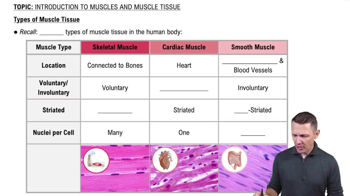
Skeletal muscles enable voluntary movement by contracting and pulling on bones.
The biceps brachii is located on the front of the upper arm and is responsible for elbow flexion.
The triceps brachii is on the back of the upper arm and extends the elbow.
The pectoralis major controls movements like arm flexion, adduction, and rotation.
The deltoid muscle covers the shoulder and is responsible for arm abduction and rotation.
The quadriceps femoris group extends the knee and includes four muscles.
The hamstrings group flexes the knee and extends the hip.
The gastrocnemius muscle in the calf performs plantar flexion at the ankle.
The diaphragm contracts to increase thoracic volume during inhalation.
The biceps brachii and brachialis muscles flex the forearm at the elbow joint.
The triceps brachii extends the forearm at the elbow joint.
The gluteus maximus extends and laterally rotates the hip.
The rectus abdominis flexes the lumbar spine and compresses abdominal contents.
The trapezius muscle moves, rotates, and stabilizes the scapula.
The gluteus medius abducts and medially rotates the thigh.
The flexor group of muscles in the anterior forearm flex the wrist and fingers.
The extensor group of muscles in the posterior forearm extend the wrist and fingers.
The masseter muscle elevates the mandible to close the jaw.
The sternocleidomastoid rotates and flexes the head and neck.
The gastrocnemius and soleus muscles form the calf and aid in plantar flexion.