Skip to main content
Anatomy & Physiology
My Course
Learn
Exam Prep
AI Tutor
Study Guides
Textbook Solutions
Flashcards
Explore
Try the app
My Course
Learn
Exam Prep
AI Tutor
Study Guides
Textbook Solutions
Flashcards
Explore
Try the app
Back
Practical Lab 2
You can tap to flip the card.
Parietal bones
You can tap to flip the card.
👆
Parietal bones
Two bones
forming part of the skull with sutures: coronal, squamous, sagittal, and lambdoid.
Track progress
Control buttons has been changed to "navigation" mode.
1/8
Recommended videos
Guided course
1:07
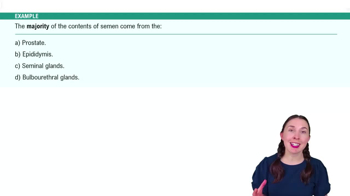
Anatomy of the Male Reproductive System Example 2
3907
views
65
rank
Guided course
3:19
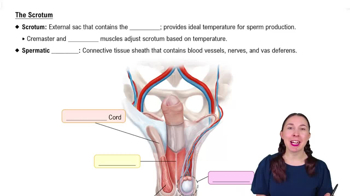
The Scrotum
5494
views
86
rank
Guided course
0:59
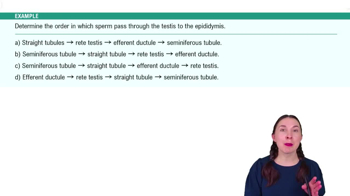
Anatomy of the Male Reproductive System Example 4
4225
views
53
rank
Terms in this set (8)
Hide definitions
Parietal bones
Two bones
forming part of the skull with sutures: coronal, squamous, sagittal, and lambdoid.
Frontal bone
Single bone of the skull containing the
frontal sinuses
.
Occipital bone features
Includes
occipital condyles
, external occipital protuberance (inion), foramen magnum, and hypoglossal canal (CN XII).
Temporal bones key features
Includes zygomatic arch, mandibular fossa, mastoid and styloid processes, stylomastoid foramen, external and internal auditory canals, jugular foramen (CN X), and carotid canal.
Sphenoid bone important landmarks
Contains sella turcica, hypophyseal fossa, sinus, optic canal (CN II), superior orbital fissure, foramen rotundum, ovale, and spinosum.
Ethmoid bone features
Has cribriform plate (CN I), crista galli, middle and inferior nasal conchae, perpendicular plate, and sinus.
Maxillae bones
Two bones with sinuses, palatine process (hard palate), infraorbital foramen, and inferior orbital fissure.
Mandible bone features
Includes mandibular angle, mandibular ramus, head of mandible (mandibular condyle), and mental foramen.
 BackBack
 1:07