Skip to main content
Anatomy & Physiology
My Course
Learn
Exam Prep
AI Tutor
Study Guides
Textbook Solutions
Flashcards
Explore
Try the app
My Course
Learn
Exam Prep
AI Tutor
Study Guides
Textbook Solutions
Flashcards
Explore
Try the app
Back
Skeletal System Basics - Anatomy & Physiology
You can tap to flip the card.
What is the skeletal system?
You can tap to flip the card.
👆
What is the skeletal system?
The skeletal system is the internal frame of the body and includes
bones, cartilages, and joints
.
Track progress
Control buttons has been changed to "navigation" mode.
1/10
Recommended videos
1:07
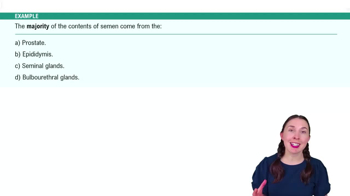
Anatomy of the Male Reproductive System Example 2
3882
views
64
rank
3:19
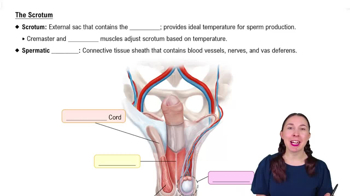
The Scrotum
5465
views
86
rank
0:59
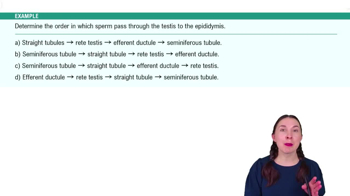
Anatomy of the Male Reproductive System Example 4
4153
views
52
rank
Terms in this set (10)
Hide definitions
What is the skeletal system?
The skeletal system is the internal frame of the body and includes
bones, cartilages, and joints
.
How do bones contribute to body movement?
Bones
articulate, or come together, at joints
to allow body movement.
Why is the skeleton essential?
The skeleton protects organs, produces blood cells, stores essential minerals, and anchors skeletal muscles for body movements.
What components make up the skeletal system?
The skeletal system includes
bones, cartilages, and joints
.
What role do joints play in the skeletal system?
Joints allow bones to
articulate or come together
, enabling body movement.
How does the skeleton protect the body?
The skeleton provides a
protective framework
for vital organs.
What is the function of skeletal muscles in relation to bones?
Skeletal muscles are anchored to bones so their
contractions cause body movements
.
What essential minerals does the skeleton store?
The skeleton stores
essential minerals
like calcium and phosphorus.
How does the skeletal system contribute to blood cell production?
The skeleton produces
blood cells
within the bone marrow.
What is the internal frame of the body?
The internal frame of the body is the
skeletal system
.
 BackBack
 1:07