 Back
BackA&P1 Chemistry: Foundations for Anatomy & Physiology
Study Guide - Smart Notes
 Tailored notes based on your materials, expanded with key definitions, examples, and context.
Chemistry and Physiological Reactions
Importance of Chemistry in Physiology
Chemistry is fundamental to all physiological processes in the human body, including movement, digestion, heart function, and nervous system activity. Understanding basic chemistry and biochemistry is essential for comprehending how the body operates at a molecular level.
Basic Chemistry: Covers the principles of matter and energy.
Biochemistry: Focuses on the chemical composition and reactions of living matter.
Basic Chemistry
Matter and Its States
Matter is anything that has mass and occupies space. It can be observed, smelled, or felt, and its weight is mass plus the effect of gravity.
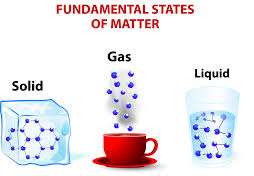
States of Matter:
Solid: Definite shape and volume.
Liquid: Changeable shape, definite volume.
Gas: Changeable shape and volume.
Energy and Its Forms
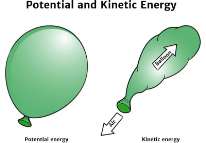
Energy is the capacity to do work or put matter into motion. It does not have mass or occupy space.
Kinetic Energy: Energy in action.
Potential Energy: Stored (inactive) energy.
Forms of Energy:
Chemical: Stored in chemical bonds.
Electrical: Movement of charged particles.
Mechanical: Directly involved in moving matter.
Radiant/Electromagnetic: Travels in waves.
Energy Conversion: Energy can be converted from one form to another, but conversion is inefficient (some energy is lost as heat).
Atoms and Elements
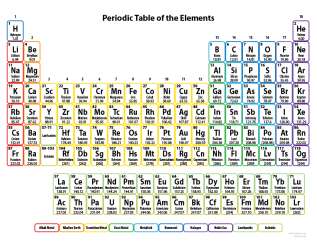
Elements and the Periodic Table
All matter is composed of elements, which are substances that cannot be broken down into simpler substances. Four elements—carbon, oxygen, hydrogen, and nitrogen—make up 96% of the human body.
Periodic Table: Lists all known elements.
Atomic Symbol: One- or two-letter shorthand for each element (e.g., O for oxygen, C for carbon).
Structure of Atoms
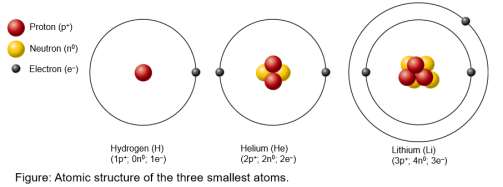
Atoms are the unique building blocks of elements and consist of three subatomic particles:
Protons: Positive charge, 1 amu.
Neutrons: No charge, 1 amu.
Electrons: Negative charge, virtually no weight.
Atoms are electrically neutral because the number of protons equals the number of electrons. 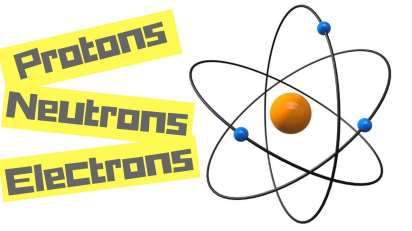
Atomic Models
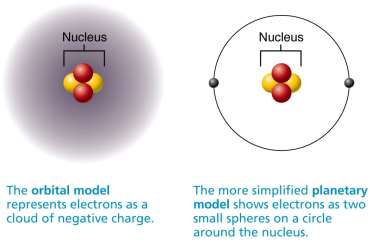
Planetary Model: Depicts electrons in fixed orbits (simplified, outdated).
Orbital Model: Shows probable regions where electrons are likely to be found.
Identifying Elements
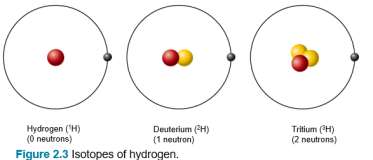
Elements are identified by their atomic number (number of protons), mass number (protons + neutrons), isotopes (same protons, different neutrons), and atomic weight (average mass of all isotopes). 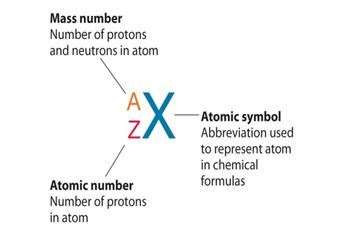
Combining Matter
Molecules and Compounds
Most atoms combine to form molecules and compounds.
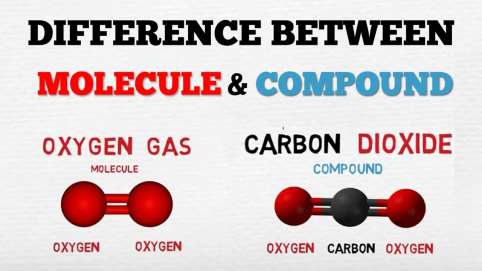
Molecule: Two or more atoms bonded together.
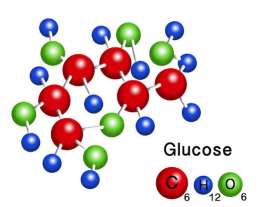
Compound: Molecule with two or more different kinds of atoms (e.g., C6H12O6).
Mixtures
Mixtures are combinations of two or more components physically intermixed.
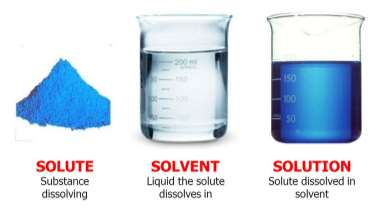
Solvent: Substance present in greatest amount.
Solute: Substance present in smaller amounts.
Types of Mixtures:
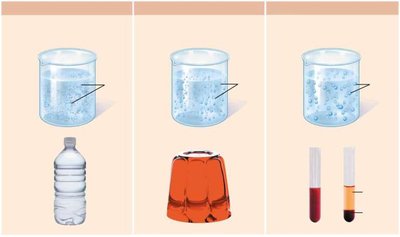
Solutions: Homogeneous, particles evenly distributed (e.g., salt solution).
Colloids: Heterogeneous, larger particles, do not settle out (e.g., Jell-O).
Suspensions: Heterogeneous, large particles settle out (e.g., sand in water).
Chemical Bonds
Role of Electrons in Bonding
Electrons occupy energy levels called shells. The outermost shell (valence shell) determines chemical reactivity. Atoms seek stability by achieving a full valence shell (octet rule). 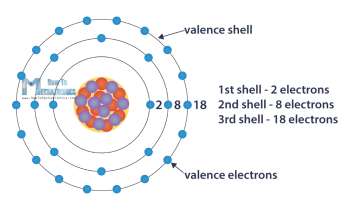
Types of Chemical Bonds
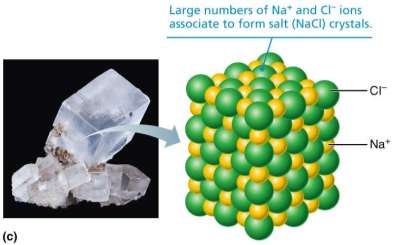
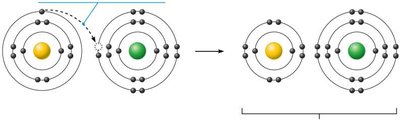
Ionic Bonds: Transfer of electrons creates charged ions (cations and anions). Most ionic compounds are salts.
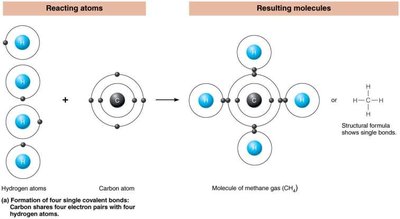
Covalent Bonds: Sharing of electrons between atoms. Can be single, double, or triple bonds.
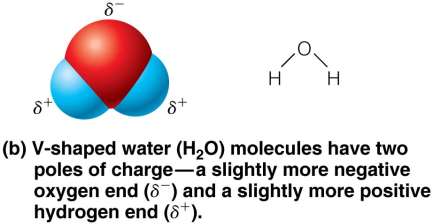
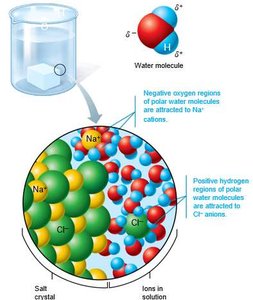
Hydrogen Bonds: Weak attraction between electropositive hydrogen and electronegative atoms (common in water).
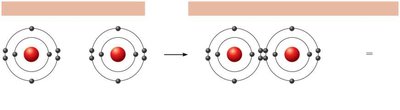
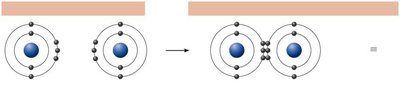
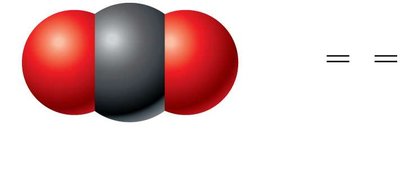
Polar and Nonpolar Covalent Bonds
Nonpolar: Equal sharing of electrons (e.g., CO2).
Polar: Unequal sharing, creates dipoles (e.g., H2O).
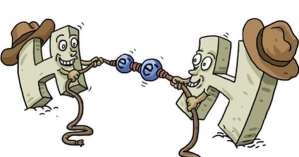
Hydrogen Bonds
Hydrogen bonds are not true bonds but weak attractions. They are important in water and in maintaining the three-dimensional shape of large molecules. 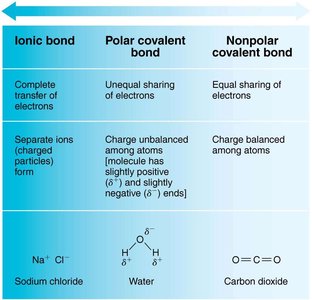
Chemical Reactions
Types of Chemical Reactions
Synthesis (Combination): Atoms/molecules combine to form larger molecules. Used in anabolic processes.
Decomposition: Molecules are broken down into smaller molecules/atoms. Used in catabolic processes.
Exchange (Displacement): Bonds are both made and broken.

Redox Reactions
Reduction-oxidation (redox) reactions involve the transfer of electrons.
Oxidation: Loss of electrons.
Reduction: Gain of electrons.
Energy Flow in Reactions
Exergonic: Release energy (catabolic, oxidative).
Endergonic: Absorb energy (anabolic).
Rate of Chemical Reactions
Influenced by temperature, concentration, and particle size.
Catalysts: Increase reaction rate without being consumed. Enzymes are biological catalysts.
Biochemistry
Organic and Inorganic Compounds
Inorganic: Water, salts, acids, bases (do not contain carbon).
Organic: Carbohydrates, lipids, proteins, nucleic acids (contain carbon, usually large, covalently bonded).
Inorganic Compounds: Water and Salts
Water: Most abundant, high heat capacity, solvent, cushioning, reactivity.
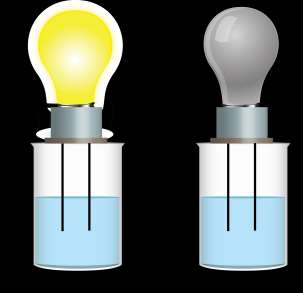
Salts: Ionic compounds, dissociate into electrolytes, important for homeostasis.
Acids and Bases
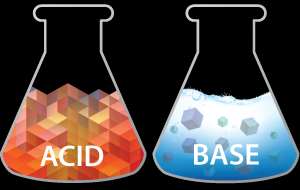
Acids: Proton donors, release H+ ions.
Bases: Proton acceptors, release OH- ions.
pH Scale: Measures concentration of H+ ions (0–14). Acidic: 0–6.99, Neutral: 7, Alkaline: 7.01–14.
Neutralization and Buffers
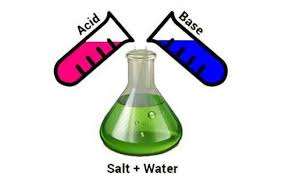
Neutralization: Acids and bases react to form water and salt.
Buffers: Resist changes in pH by releasing or binding H+ ions.
Organic Compounds
Synthesis and Hydrolysis
Organic molecules contain carbon and are often polymers made of monomers.
Dehydration Synthesis: Builds polymers by removing water.
Hydrolysis: Breaks polymers by adding water.
Carbohydrates
Monosaccharides: Simple sugars (e.g., glucose, ribose).
Disaccharides: Double sugars (e.g., sucrose, lactose).
Polysaccharides: Many sugars (e.g., starch, glycogen).
Lipids
Triglycerides: Energy storage, insulation, protection.
Phospholipids: Important in cell membranes.
Steroids: Cholesterol, hormones, vitamin D.
Eicosanoids: Prostaglandins, involved in inflammation and other functions.
Proteins
Made of amino acids joined by peptide bonds.
Structural Levels: Primary, secondary (alpha helix, beta sheet), tertiary, quaternary.
Fibrous Proteins: Structural (e.g., collagen).
Globular Proteins: Functional (e.g., enzymes, antibodies).
Denaturation: Loss of structure and function due to pH or temperature changes.
Enzymes
Biological catalysts, speed up reactions by lowering activation energy.
Specific to substrates, not consumed in reactions.
Nucleic Acids
DNA: Genetic blueprint, double-stranded, contains A, T, G, C.
RNA: Protein synthesis, single-stranded, contains A, U, G, C.
ATP (Adenosine Triphosphate)
Energy currency of the cell, powers cellular reactions.
Structure: Adenine, ribose, three phosphate groups.
Phosphorylation transfers energy to other compounds.
Additional info:
All equations are written in LaTeX format as required.
Images included are strictly relevant to the adjacent content.
