 Back
BackAnatomy and Physiology: Foundational Concepts and Systems
Study Guide - Smart Notes
 Tailored notes based on your materials, expanded with key definitions, examples, and context.
Chemical Level of Organization
Atoms and Atomic Structure
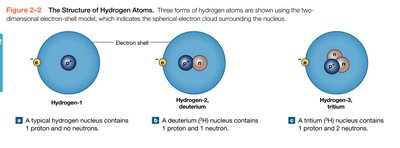
The atom is the smallest unit of matter, composed of subatomic particles: protons (positive charge), neutrons (neutral), and electrons (negative charge). The arrangement and number of these particles determine the atom's properties and interactions.
Atomic Number: Number of protons in the nucleus; defines the element.
Isotopes: Atoms of the same element with different numbers of neutrons.
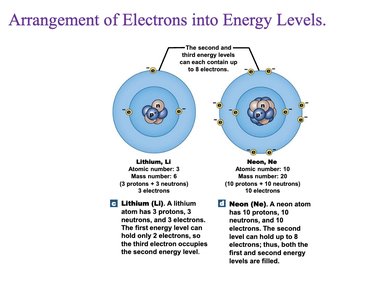
Electron Shells: Electrons occupy energy levels (shells) around the nucleus; the outermost shell (valence shell) determines chemical reactivity.
Chemical Bonds and Molecules
Atoms combine to form molecules and compounds through chemical bonds, which involve the sharing, gaining, or losing of electrons.
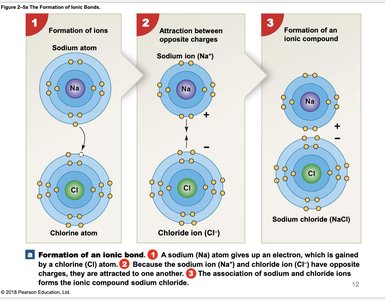
Ionic Bonds: Formed when one atom donates electrons to another, resulting in oppositely charged ions that attract each other (e.g., NaCl).
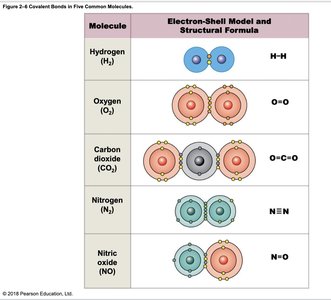
Covalent Bonds: Atoms share electrons to achieve stability; can be single, double, or triple bonds.
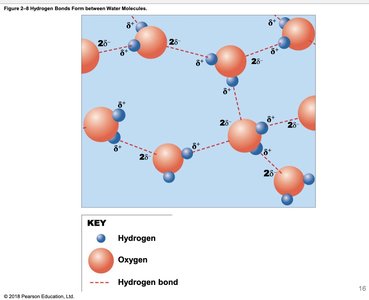
Hydrogen Bonds: Weak attractions between polar molecules, important in water and biological molecules.
Types of Chemical Reactions
Chemical reactions involve the making or breaking of bonds. Major types include:
Decomposition (Catabolism): AB → A + B
Hydrolysis: AB + H2O → AH + BOH
Synthesis (Anabolism): A + B → AB
Enzymes and Metabolism
Enzymes are biological catalysts that lower activation energy, speeding up metabolic reactions essential for life.
Inorganic vs. Organic Compounds
Inorganic Compounds: Usually lack carbon-hydrogen bonds (e.g., water, salts, acids, bases).
Organic Compounds: Contain carbon and hydrogen; include carbohydrates, proteins, lipids, and nucleic acids.
Properties of Water
Water is vital for life due to its role as a universal solvent, its high heat capacity, reactivity, and lubricating properties. It supports hydrophilic (water-loving) and hydrophobic (water-fearing) interactions.
pH and Its Importance
pH measures hydrogen ion concentration. Human blood pH is tightly regulated (7.35–7.45). Acids have pH < 7, bases > 7.
Cellular Level of Organization
Cell Structure and Function
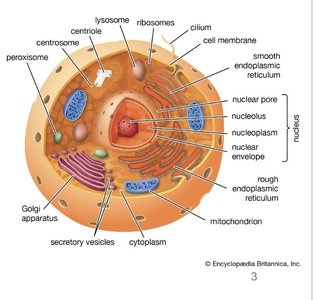
Cells are the basic units of life, with specialized structures (organelles) performing distinct functions.
Plasma Membrane: Phospholipid bilayer with embedded proteins; regulates exchange, provides protection, and supports communication.
Cytoplasm: Contains cytosol and organelles.
Organelles: Include nucleus, mitochondria, endoplasmic reticulum, Golgi apparatus, lysosomes, peroxisomes, and more.
Nucleus and Genetic Code
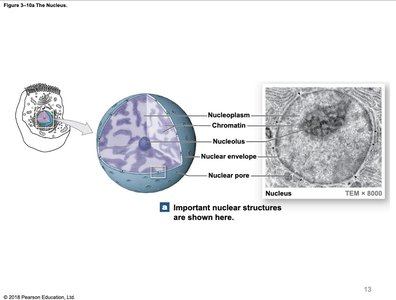
The nucleus houses DNA, which encodes the genetic instructions for protein synthesis.
Membrane Transport
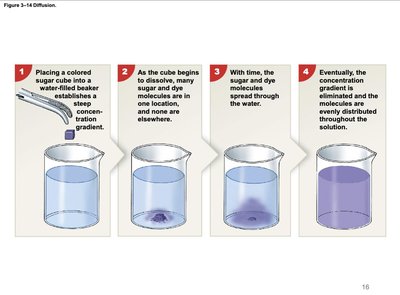
Cells regulate movement of substances via passive (diffusion, osmosis) and active (carrier-mediated, vesicular) transport mechanisms.
Diffusion: Movement from high to low concentration.
Osmosis: Diffusion of water across a selectively permeable membrane.
Tissue Level of Organization
Major Tissue Types
The body contains four primary tissue types: epithelial, connective, muscle, and nervous tissue.
Epithelial Tissue
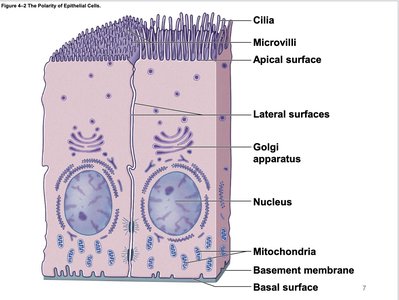
Epithelial tissue covers surfaces and forms glands. Functions include protection, absorption, secretion, and sensation.
Polarity: Apical (top) and basal (bottom) surfaces.
Attachment: To basement membrane.
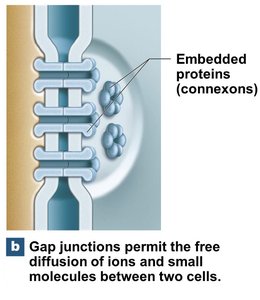
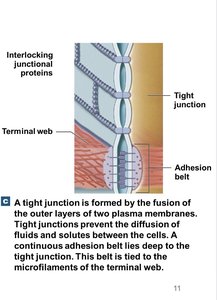
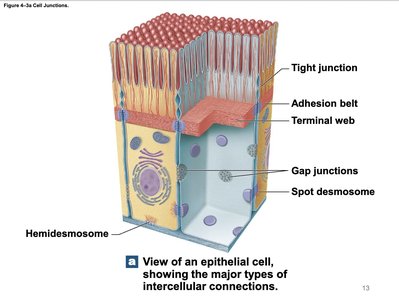
Cell Junctions: Tight junctions, gap junctions, desmosomes, hemidesmosomes.
Nervous Tissue
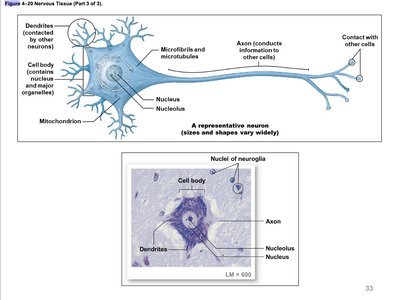
Nervous tissue is specialized for communication via electrical impulses. It consists of neurons and supporting neuroglia.
Integumentary System
Structure and Function
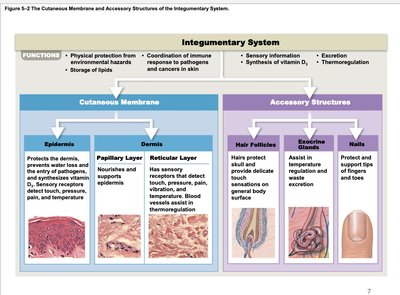
The integumentary system includes the skin (epidermis and dermis) and accessory structures (hair, glands, nails). It protects, regulates temperature, synthesizes vitamin D, and provides sensory information.
Epidermis and Dermis
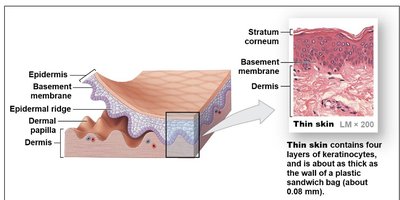
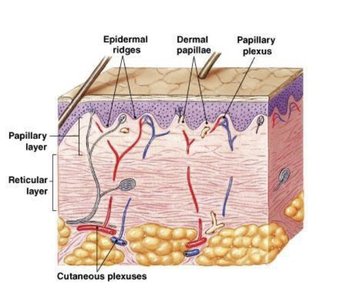
The epidermis is a stratified squamous epithelium, while the dermis contains connective tissue, blood vessels, and nerves.
Skeletal System
Axial and Appendicular Skeleton
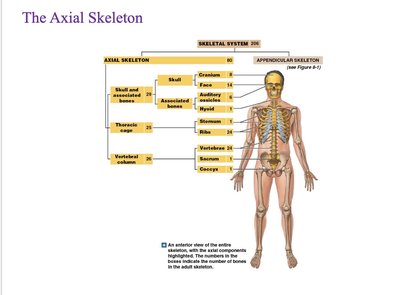
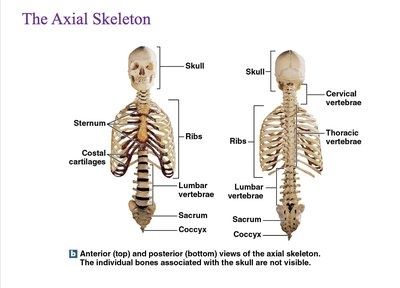
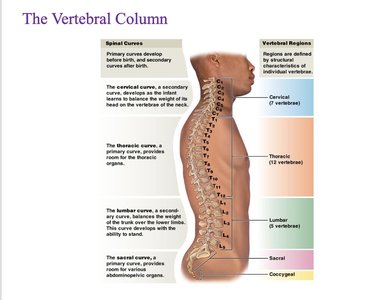
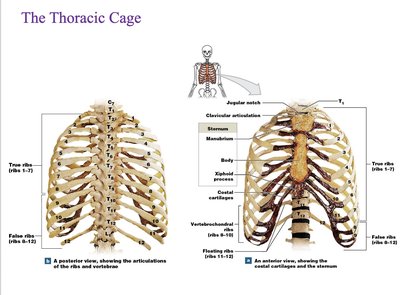
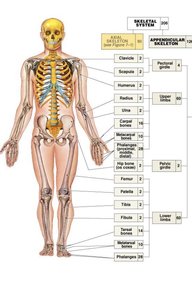
The skeleton is divided into axial (skull, vertebral column, thoracic cage) and appendicular (limbs and girdles) components.
Additional info:
Some explanations have been expanded for clarity and completeness, especially where original notes were brief or used mnemonics.
Tables, where present in the original, have been described in text or summarized for clarity.
