 Back
BIO 200: Human Anatomy and Physiology I – Syllabus and Course Structure
Study Guide - Smart Notes
 Tailored notes based on your materials, expanded with key definitions, examples, and context.
Course Overview
BIO 200: Human Anatomy and Physiology I is the first part of a two-semester sequence exploring the structure and function of the human body. The course covers foundational concepts from the molecular level to organ systems, with a focus on the skeletal, muscular, and nervous systems. Laboratory sessions complement lectures by emphasizing gross anatomy and practical skills.
Course Structure and Grading
Lecture and Lab Format: Hybrid delivery with both in-person and online components.
Credit Hours: 4
Assessment Components:
Homework Assignments: 12%
Lecture Exams (3): 36%
Lecture Quizzes: 12%
Lab Quizzes (4): 10%
Lab Exams (3): 30%
Grading Scale:
Letter
Percent
A+
≥98
A
93-98
A-
90-92
B+
87-89
B
83-86
B-
80-82
C+
77-79
C
73-76
C-
70-72
D+
67-69
D
63-66
D-
60-62
F
≤59
Course Topics and Schedule
The course follows a logical progression through the following major topics, each corresponding to textbook chapters and laboratory exercises:
Introduction to Anatomy and Physiology
The Chemistry of Life
The Cell
Histology (Tissues)
The Integumentary System
Bones and Bone Tissue
The Skeletal System (Axial and Appendicular)
Articulations (Joints)
The Muscular System and Muscle Tissue
The Nervous System (Fundamentals, Central, Peripheral, Autonomic)
The Special Senses
Laboratory sessions reinforce lecture content through hands-on activities, including anatomical identification, dissection, and microscopy.
Major Course Learning Objectives
Describe the human body at multiple levels of organization, from molecules to organ systems.
Identify and explain the properties of different tissue types.
Detail the structure and function of the integumentary, skeletal, muscular, and nervous systems.
Apply laboratory techniques safely and effectively.
Discuss the form and function of human special senses.
Communicate scientific and medical concepts using appropriate terminology.
Analyze scientific materials related to anatomy and physiology critically.
Laboratory Safety Guidelines
Work only during scheduled lab periods with instructor supervision.
Familiarize yourself with emergency equipment (showers, fire extinguishers, eye wash stations).
No eating, drinking, or smoking in the lab.
Wear appropriate personal protective equipment (gloves, goggles, closed shoes).
Dispose of biohazardous and sharp waste in designated containers.
Report all accidents immediately to the instructor.
Academic and University Policies
No makeup exams except in documented emergencies.
Strict prohibition of cell phone use during class.
Professional conduct and communication are required at all times.
Attendance is mandatory; students are responsible for missed material.
Academic honesty is strictly enforced; plagiarism and cheating have serious consequences.
Reasonable accommodations are available for students with documented disabilities.
Student Support Resources
Tutoring and academic support
Center for Sexuality and Gender Equality
Veteran services
Counseling and health services
STEM academic advising
Textbook and Required Materials
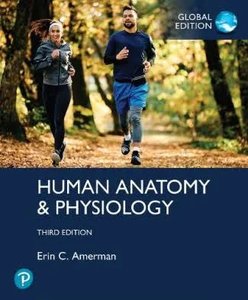
Textbook: Human Anatomy and Physiology 3e by Erin C. Amerman
Lab Manual: Human Anatomy & Physiology: A Hands-on Approach 21e by Greene, Robison, and Strong
Software: Mastering A&P (Pearson)
Additional info: This syllabus provides a comprehensive overview of the course structure, expectations, and resources for students enrolled in Human Anatomy and Physiology I. It is essential for students to familiarize themselves with all policies and requirements to ensure academic success and safety in both lecture and laboratory settings.
