 Back
BackBIO 217 Laboratory Safety, Anatomical Language, and Overview of Human Organ Systems
Study Guide - Smart Notes
 Tailored notes based on your materials, expanded with key definitions, examples, and context.
Laboratory Safety Guidelines
Introduction to Laboratory Safety
Laboratory safety is essential for preventing injury, protecting lab occupants, and ensuring the integrity of lab equipment and materials. Adhering to safety protocols is a fundamental responsibility for all students in anatomy and physiology (A&P) labs.
Personal Protective Equipment (PPE): Includes lab coats, protective eyewear, and gloves. PPE must be worn during specimen dissections and when handling bodily fluids.
Daily Protocols: Keep work areas clear, wear appropriate attire, and follow all instructor guidelines.
Emergency Procedures: Know the locations of exits, fire extinguishers, fire blankets, eyewash stations, and first aid kits. Notify your instructor immediately in case of accidents or hazards.
Waste Disposal: Use designated containers for hazardous waste, broken glass, sharps, and specimen waste.
Personal Protective Equipment (PPE)
PPE is critical for minimizing exposure to hazardous materials and preventing contamination.
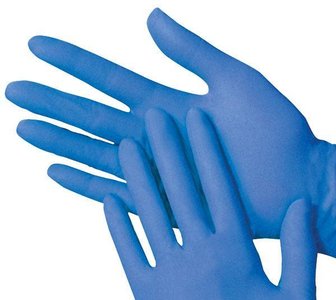
Gloves: Non-latex nitrile gloves resist absorption by more substances than latex and protect skin from irritants and chemicals.
Safety Glasses/Goggles: Protect eyes from chemicals and specimen materials. Safety glasses with side protection are preferred for dissection.
Lab Coat/Long Sleeved Shirt: Prevents contamination of street clothes and reduces risk of transferring hazardous materials outside the lab.
Dissecting Tools
Proper use of dissecting tools ensures safe and effective specimen examination.
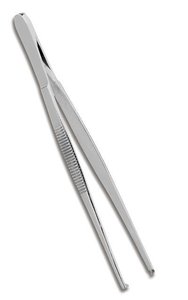
Forceps: Used for grasping and holding small objects, allowing precise manipulation.
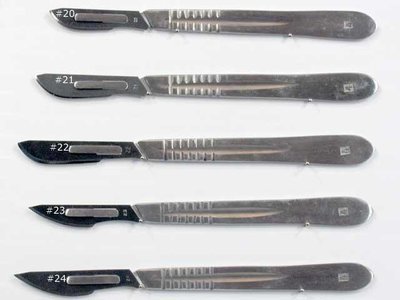
Scalpels: Small bladed tools for slicing tissues.
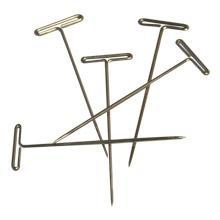
Dissecting Pins: Hold down parts of a specimen to expose other areas. T-pins are commonly used.
Dissecting Pan: Tray with rubber or wax substrate for containing specimens and fluids, allowing use of pins.
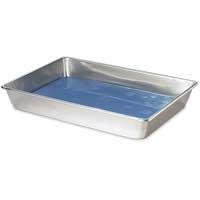
Specimens and Preservatives
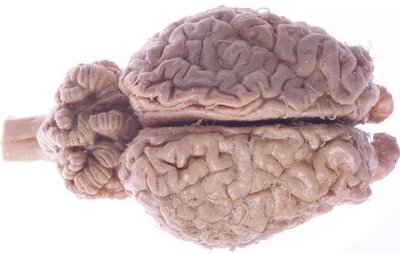
Preserved Specimens: Organisms or organs preserved in formaldehyde solution for examination. Example: sheep brain.
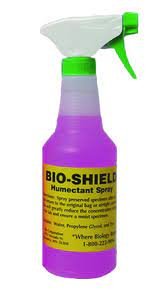
BioShield: Synthetic preservative applied to specimens to resist decomposition and reduce pathogen exposure.
Cleaning and Decontamination
Simple Green: All-purpose cleaner used for cleaning lab benches, tools, and trays.

Always wear PPE when cleaning after dissection activities.
Lab Procedures
Before Lab: Review weekly Most Important Points (MIPs), read lab manual activities, and complete pre-lab assignments.
Entering Lab: Store personal items, clean bench, wash hands, and keep materials organized.
Working with Models: Use wooden pointers to indicate structures; handle anatomical models carefully.
Working with Microscopes: Store microscopes properly and follow correct technique.
Working with Preserved Specimens: Wear PPE, use metal tools, and follow proper disposal and cleaning procedures.
Waste Disposal
Type of Waste | Disposal Method |
|---|---|
Regular Trash | Materials with no chemical or biological hazard |
Blue Recycling | Paper/cardboard not soiled by chemicals or biological materials |
Hazardous Trash | Materials with chemical exposure (e.g., gloves, paper towels) |
Solid Specimen Waste | Preserved specimen fluid or tissues |
Broken Glass Box | Non-pathogenic broken glassware |
Sharps Container | Potentially pathogenic sharp materials |
Autoclave Bag | Potentially pathogenic materials (not sharp) |
Language of Anatomy
Anatomical Position and Regional Anatomy
The anatomical position is a standardized posture used to describe the locations and relationships of body parts. It is essential for clear communication in anatomy.
Anatomical Position: Standing upright, facing forward, arms at sides, palms facing forward.
Regional Terms: Used to identify specific areas of the body (e.g., anterior, posterior).
Directional Terms
Anterior/Posterior: Front/back of the body
Distal/Proximal: Farther/closer to the point of attachment
Inferior/Superior: Below/above
Lateral/Medial: Away from/toward the midline
Body Planes and Sections
Body planes are imaginary lines used to divide the body for anatomical study.
Transverse Plane: Divides the body into superior and inferior parts.
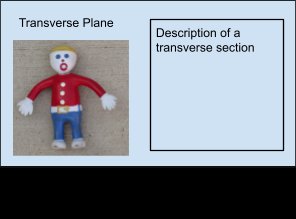
Frontal Plane: Divides the body into anterior and posterior parts.
Median/Midsagittal Plane: Divides the body into equal right and left halves.
Sagittal Plane: Divides the body into right and left parts (not necessarily equal).
Body Cavities
Dorsal Cavity: Contains the brain and spinal cord.
Ventral Cavity: Contains thoracic and abdominopelvic cavities.
Abdominopelvic Quadrants and Regions: Used to locate organs and describe pain or pathology.
Overview of Human Organ Systems
Major Organ Systems and Functions
The human body is organized into organ systems, each with specific functions and major organs.
Integumentary System: Skin, hair, nails; protection, sensation, cooling
Skeletal System: Bones, cartilage, joints; support, protection, muscle attachment
Muscular System: Skeletal muscles; movement, heat production
Nervous System: Brain, spinal cord, nerves, sense organs; rapid response to stimuli
Endocrine System: Glands (pituitary, thyroid, etc.); hormone secretion, long-lasting changes
Cardiovascular System: Heart, blood vessels; transport of oxygen, nutrients, wastes
Lymphatic System: Lymph vessels, nodes; fluid drainage, immune defense
Immune System: White blood cells; detection and destruction of foreign substances
Respiratory System: Lungs, bronchi, trachea, diaphragm; gas exchange
Digestive System: Esophagus, stomach, intestines, liver, gallbladder, pancreas; nutrient absorption, waste elimination
Urinary System: Kidneys, ureters, bladder; waste removal, chemical balance
Reproductive System: Testes, ovaries, ducts, glands; production of offspring
Lab Activity: Organ Identification
Students are expected to identify organs on a torso model and use anatomical terms to describe their location and associated body cavity.
Portfolio Assignment: Anatomical Directions and Terms
Application of Anatomical Terminology
Create a clay model in anatomical position and describe its importance.
Label and photograph the model to demonstrate understanding of directional terms.
Practice sectioning the model in transverse, midsagittal, and frontal planes, describing the resulting pieces using anatomical terms.
Comparison Table: Directional Terms
Term Pair | Definition |
|---|---|
Proximal/Distal | Closer to/farther from the point of attachment |
Inferior/Superior | Below/above in relation to another structure |
Example: The hand is distal to the shoulder, while the head is superior to the chest.
Additional info: These foundational concepts are essential for understanding subsequent chapters in anatomy and physiology, including the study of tissues, organ systems, and physiological processes.
