Back

BIOL 2010: Human Anatomy & Physiology I – Syllabus and Course Structure Study Notes

Study Guide - Learn with Videos

Curated lessons matched to your uploaded material – learn every topic step by step.

Microscopes

  • Guided course
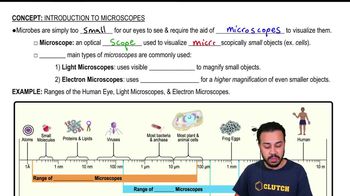
    Introduction to Microscopes
    06:13
  • Guided course
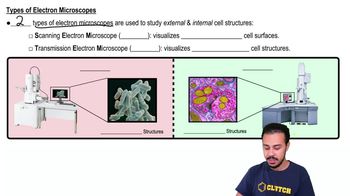
    Types of Electron Microscopes
    02:52

Anatomical Position

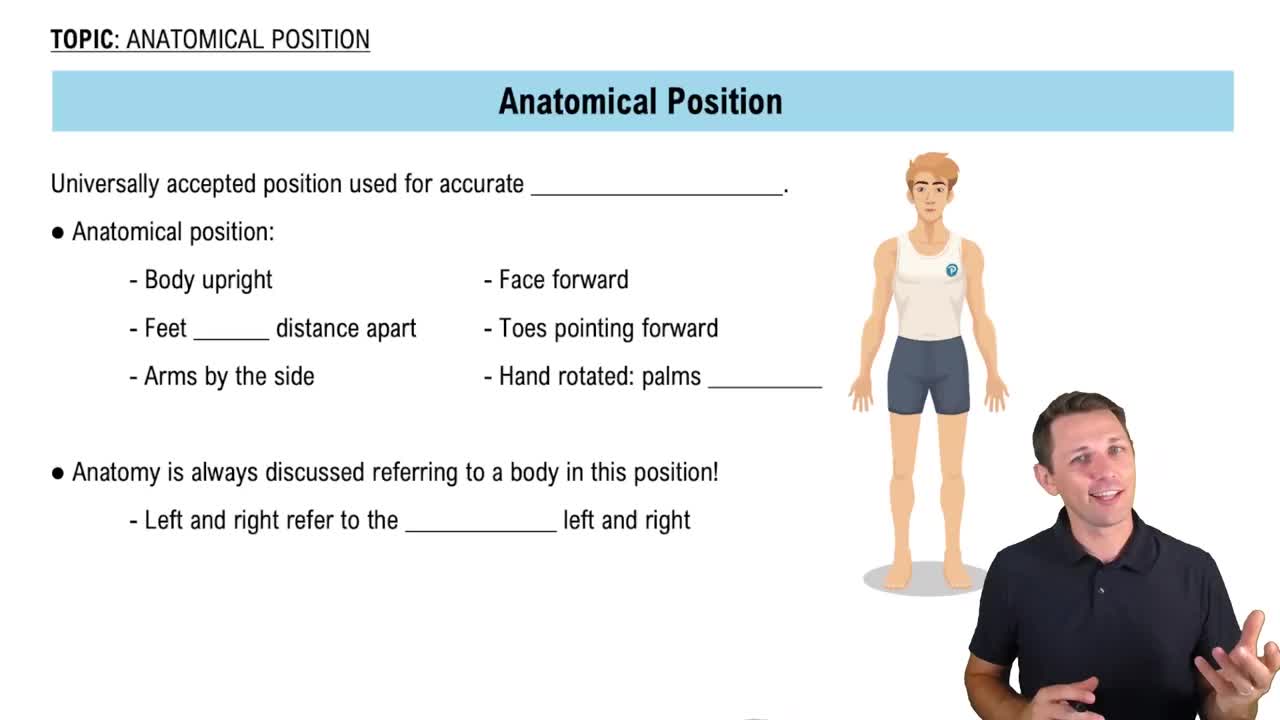
  • Anatomical Position
    02:40
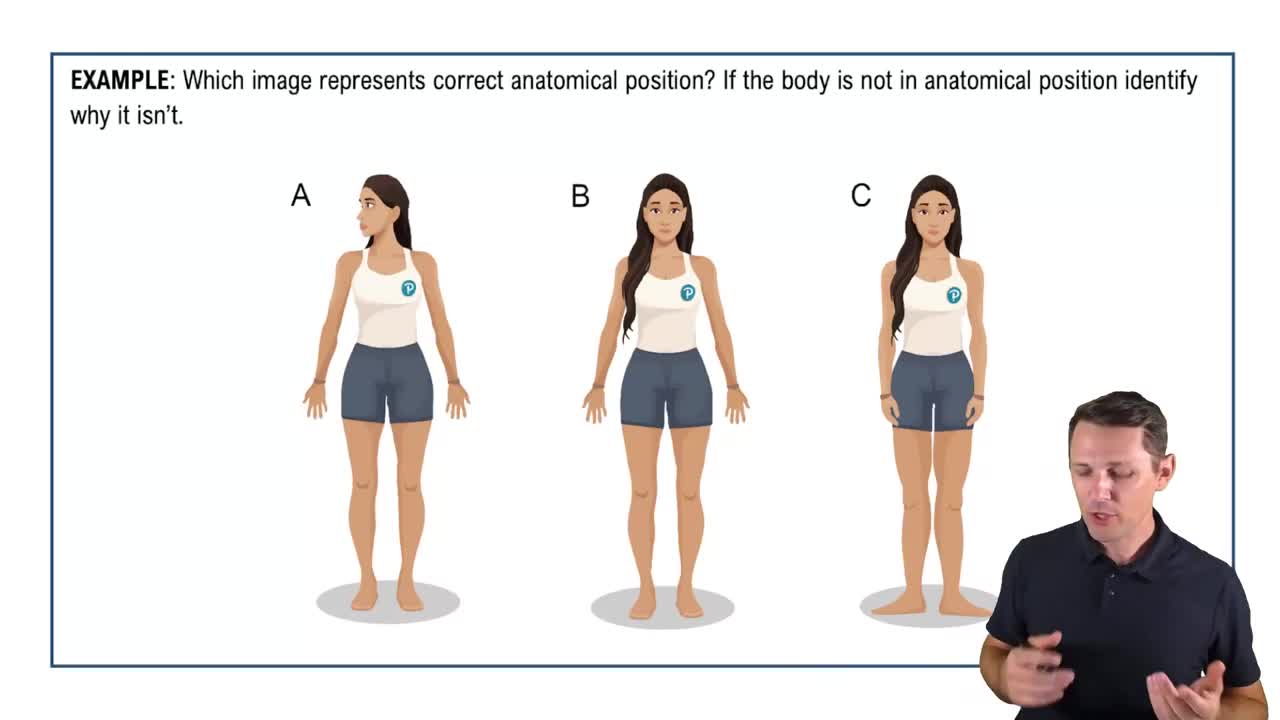
  • Anatomical Position Example 1
    02:35

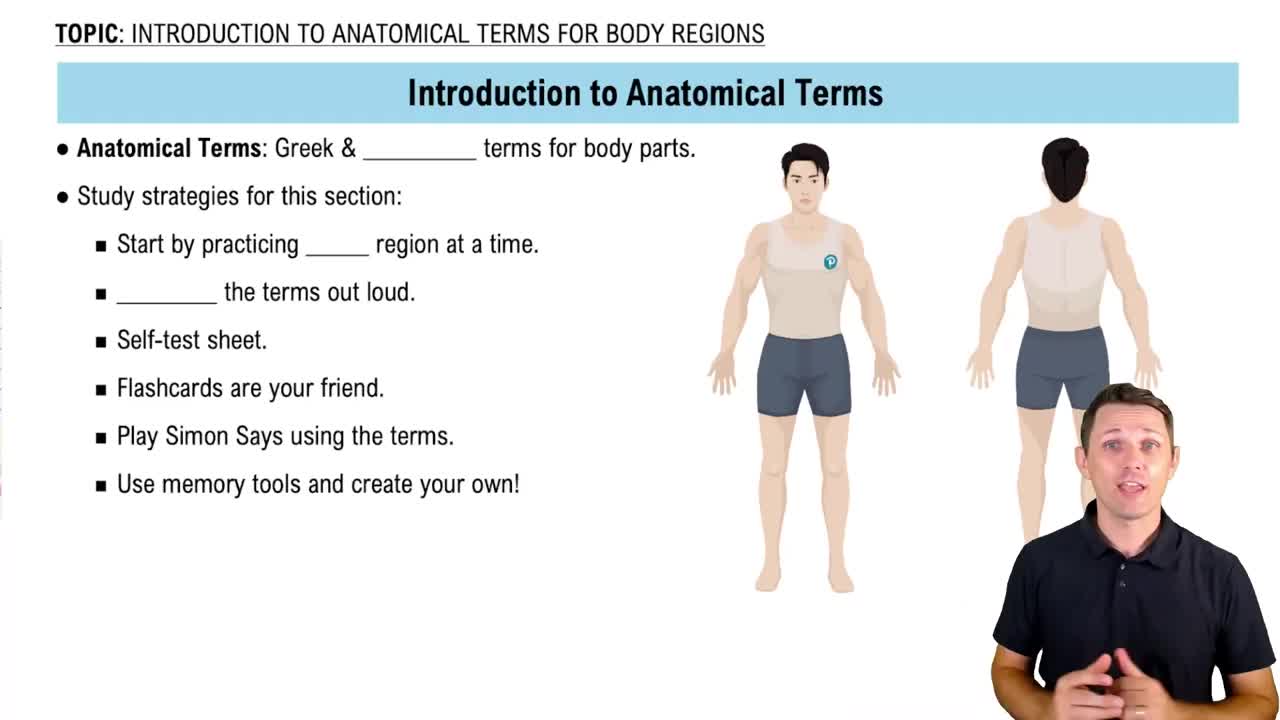
Introduction to Anatomical Terms for Body Regions

  • Introduction to Anatomical Terms
    03:21

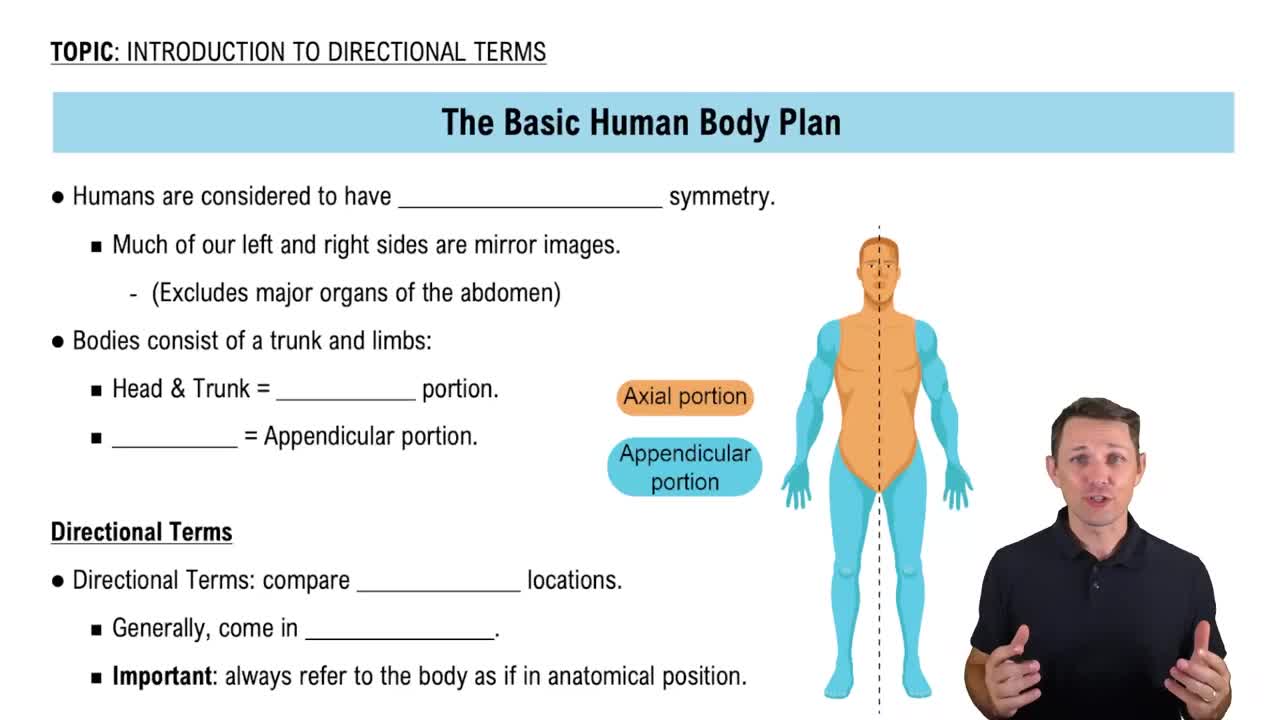
Introduction to Directional Terms

  • Introduction to Directional Terms
    03:00

Introduction to Cell Division

  • Guided course
    Asexual vs. Sexual Reproduction
    04:44
  • Guided course
    Introduction to Cell Division
    09:40
  • Guided course
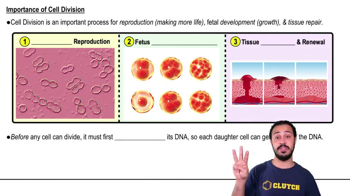
    Importance of Cell Division
    03:18

Introduction to Tissues & Histology

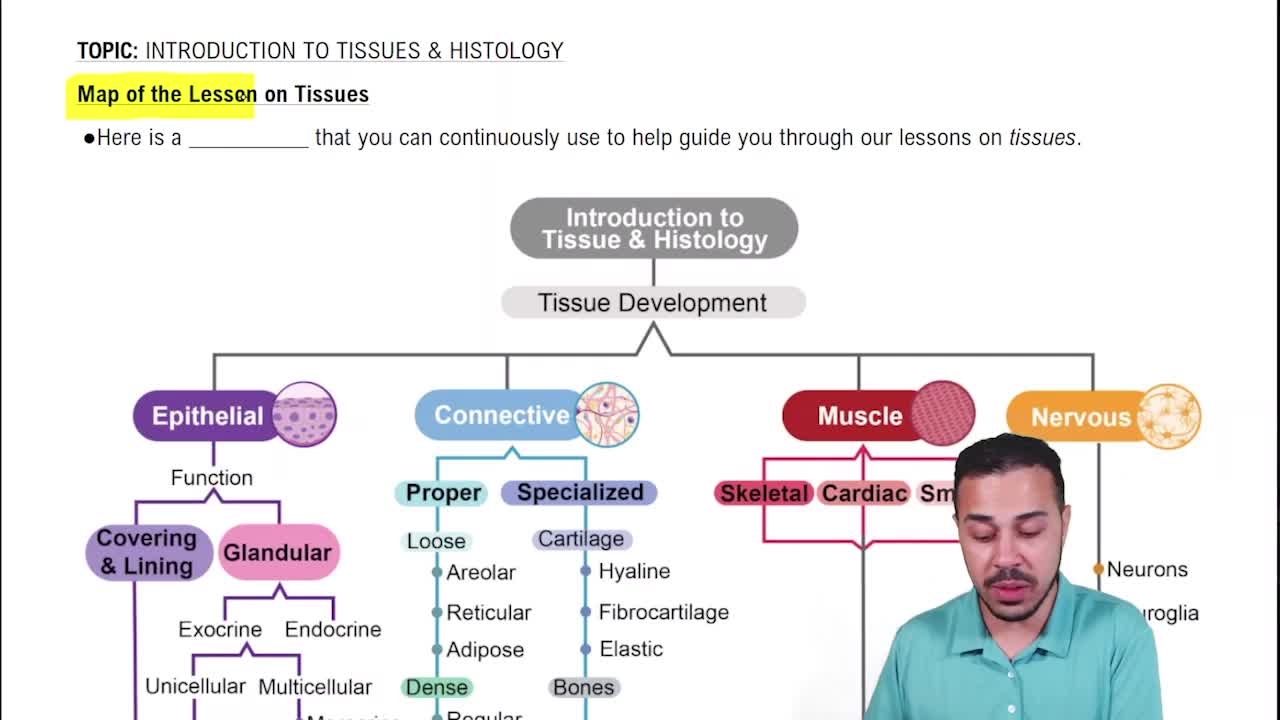
  • Map of the Lesson on Tissues
    03:32
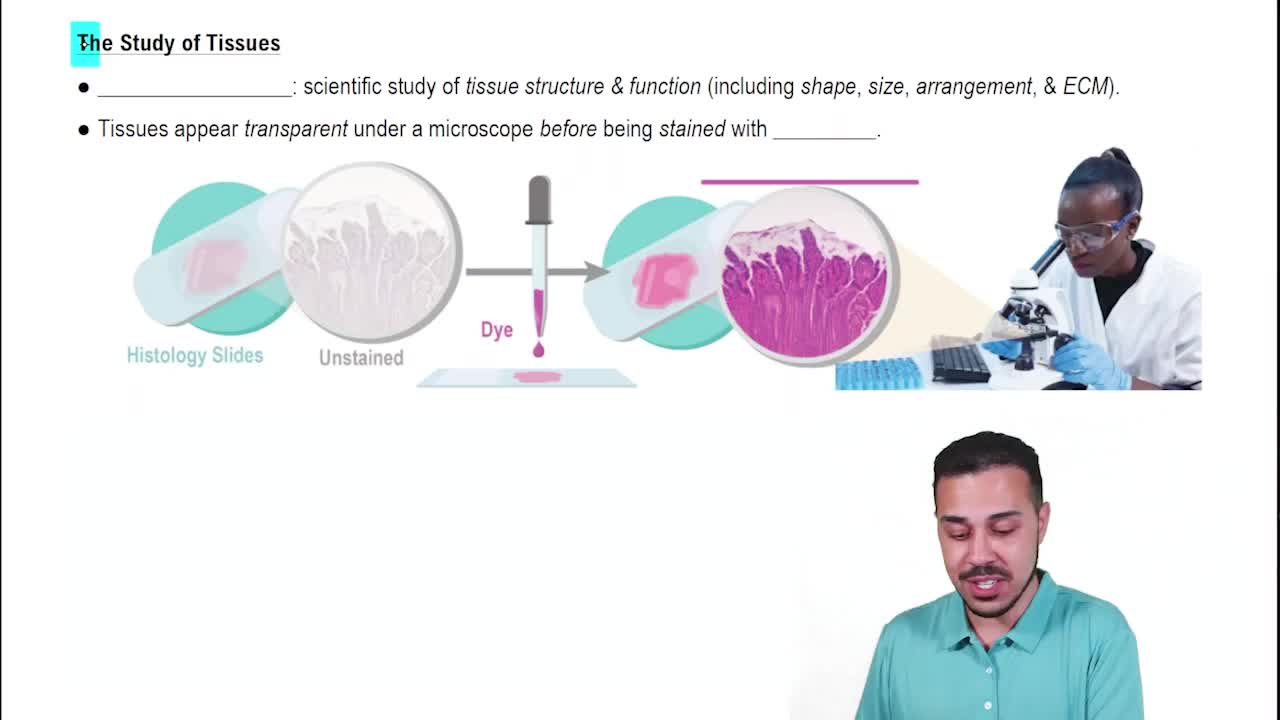
  • What is Histology?
    02:52
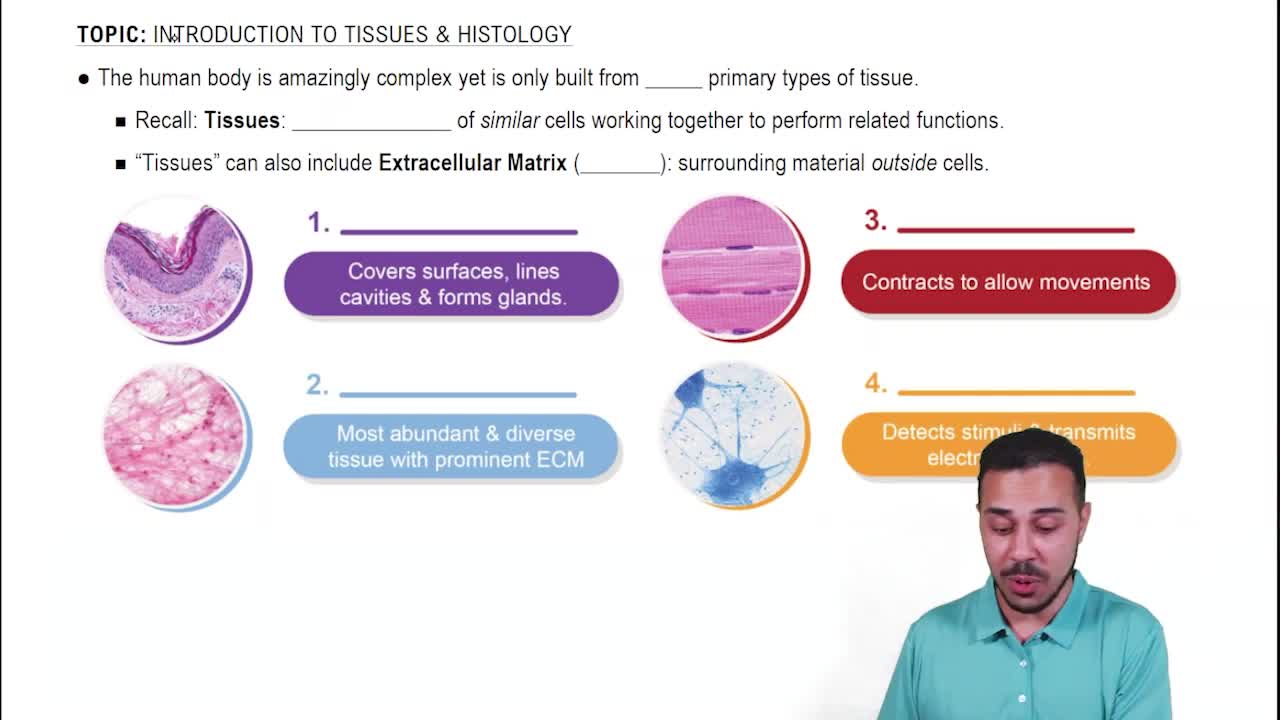
  • Intro to Human Tissues
    04:14

Introduction to Epithelial Tissue

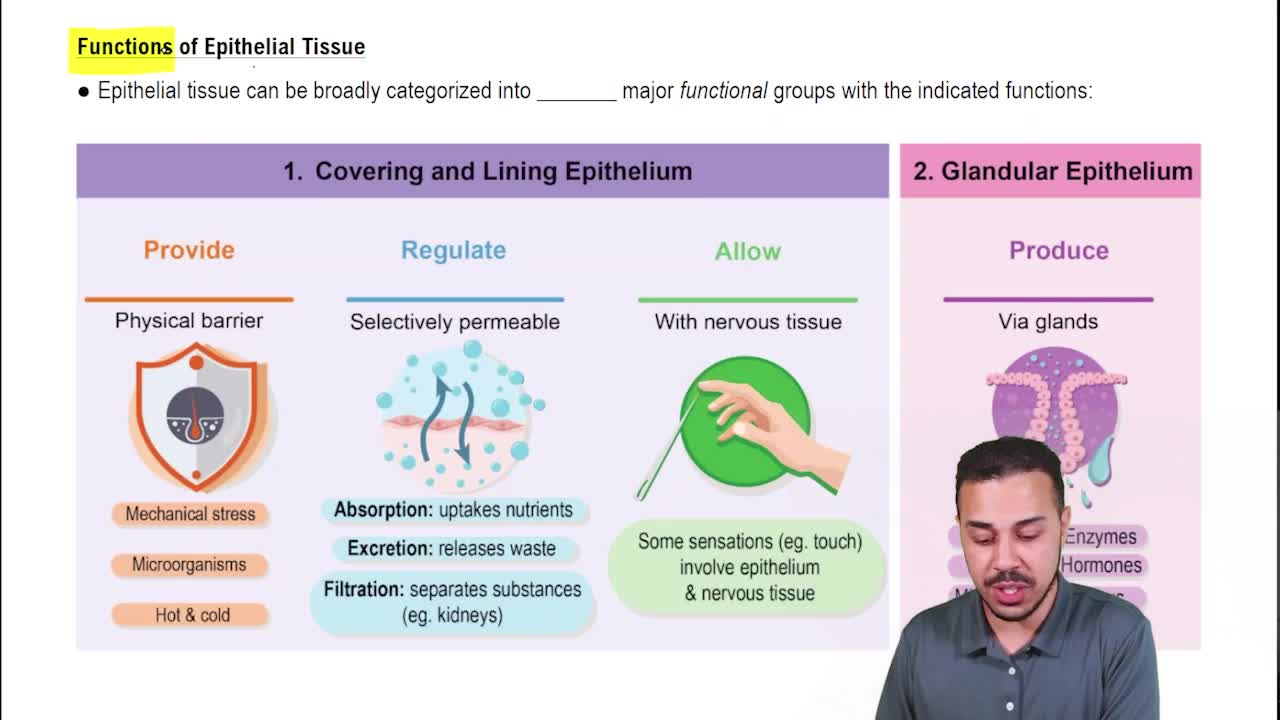
  • Functions of Epithelial Tissue
    07:25
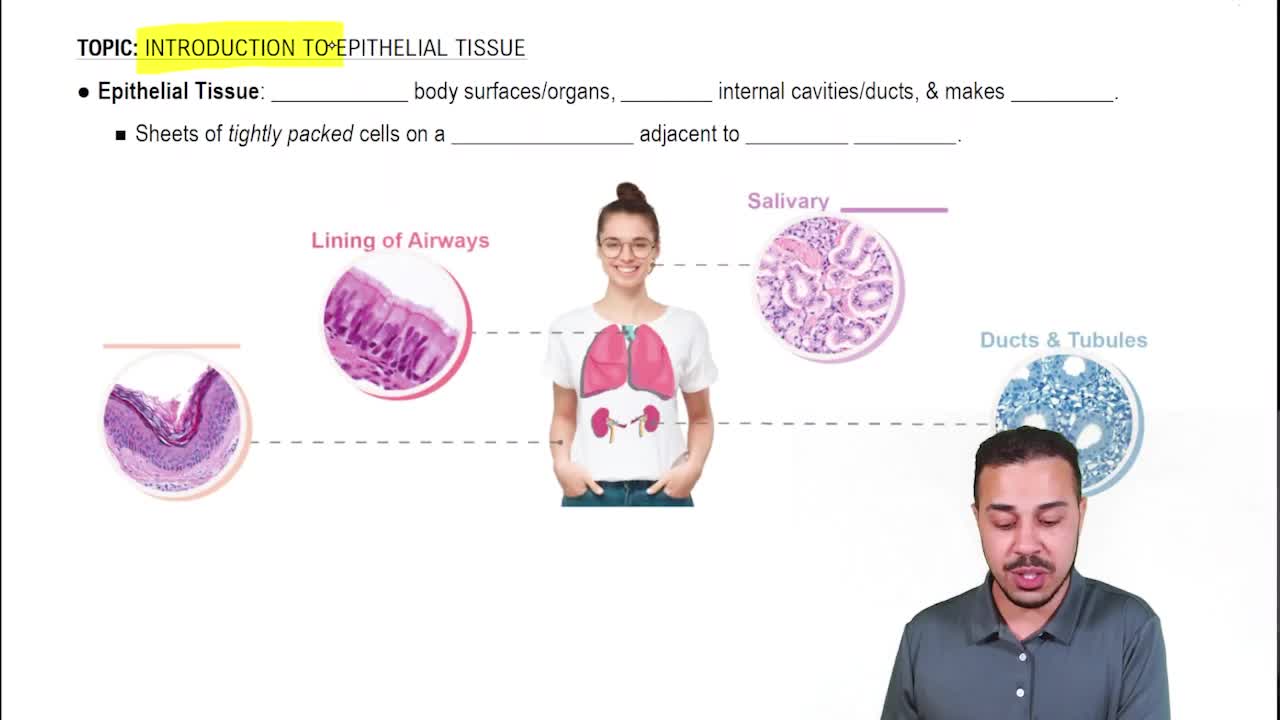
  • Intro to Epithelia
    03:40
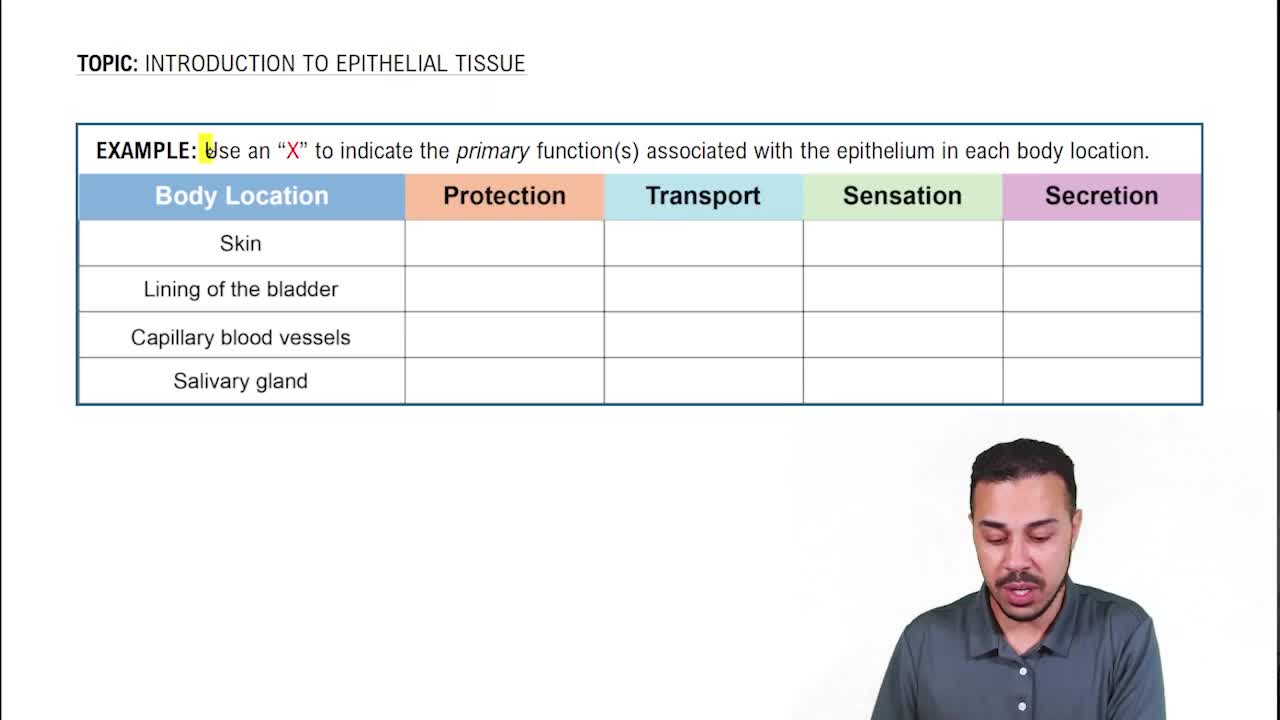
  • Introduction to Epithelial Tissue Example 1
    05:24

Introduction to Connective Tissue

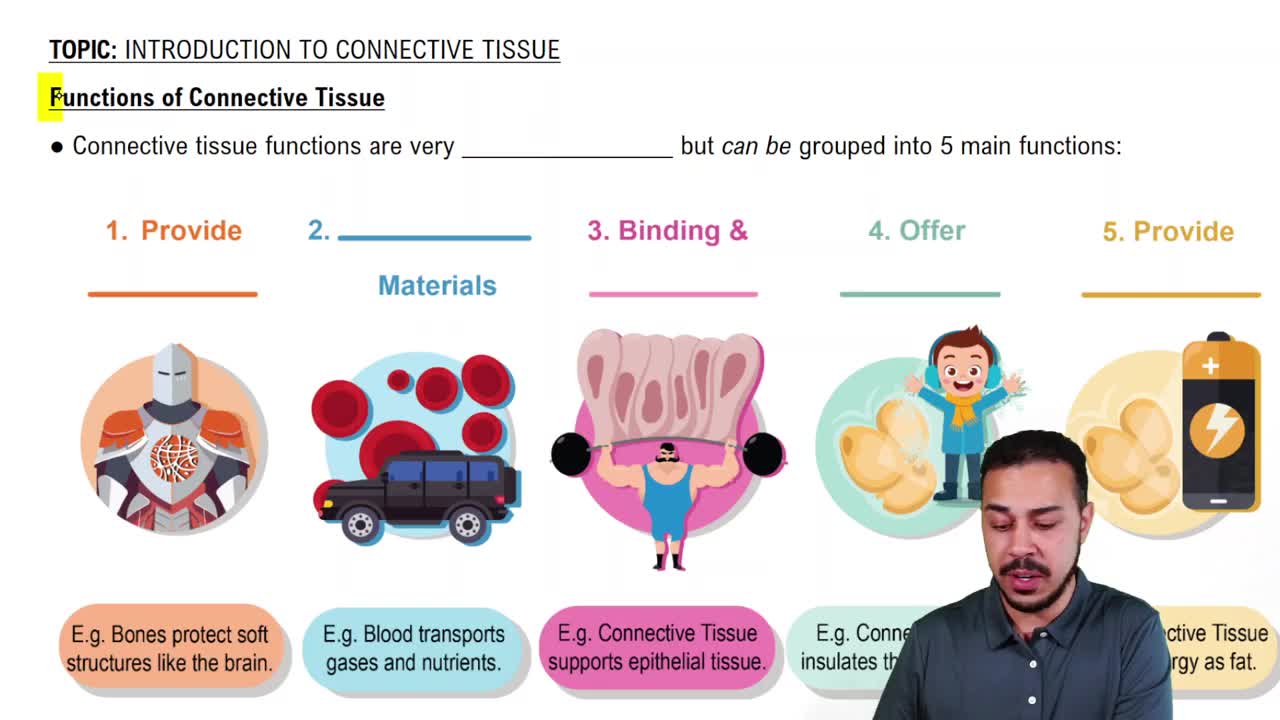
  • Functions of Connective Tissue
    06:37
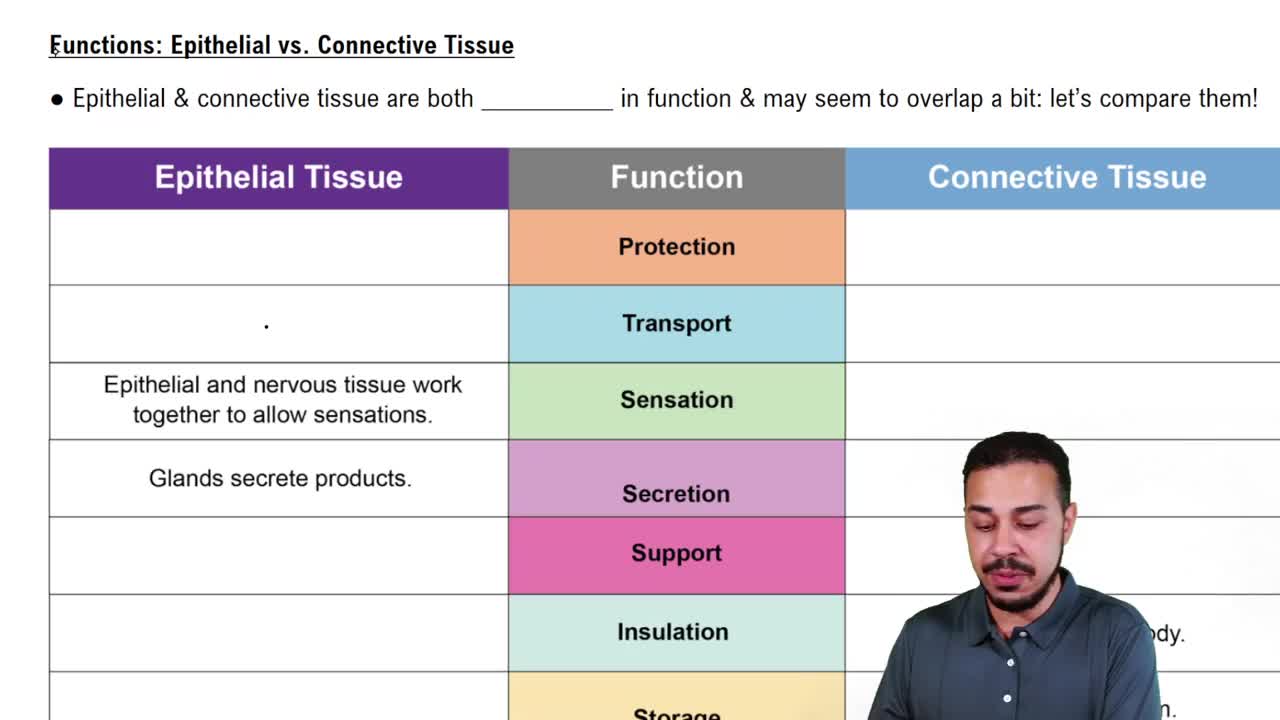
  • Functions: Epithelial vs. Connective Tissue
    08:54
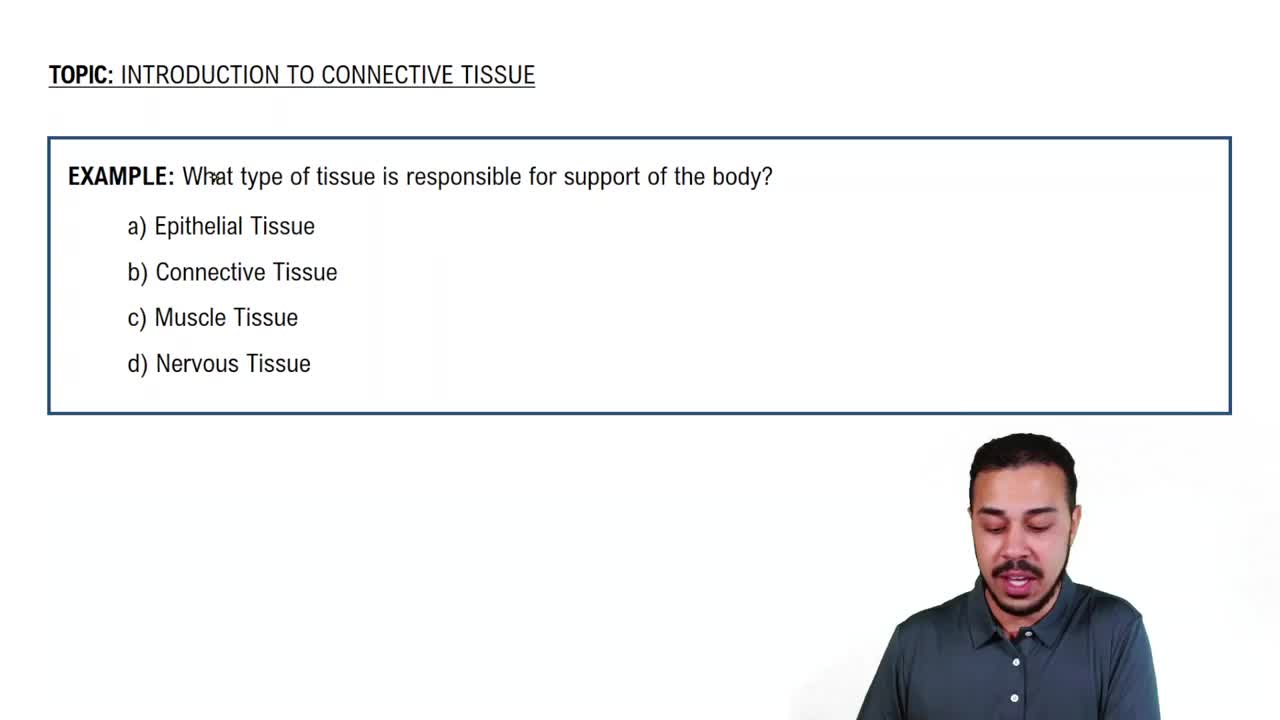
  • Introduction to Connective Tissue Example 1
    01:32

Introduction to the Integumentary System

  • Guided course
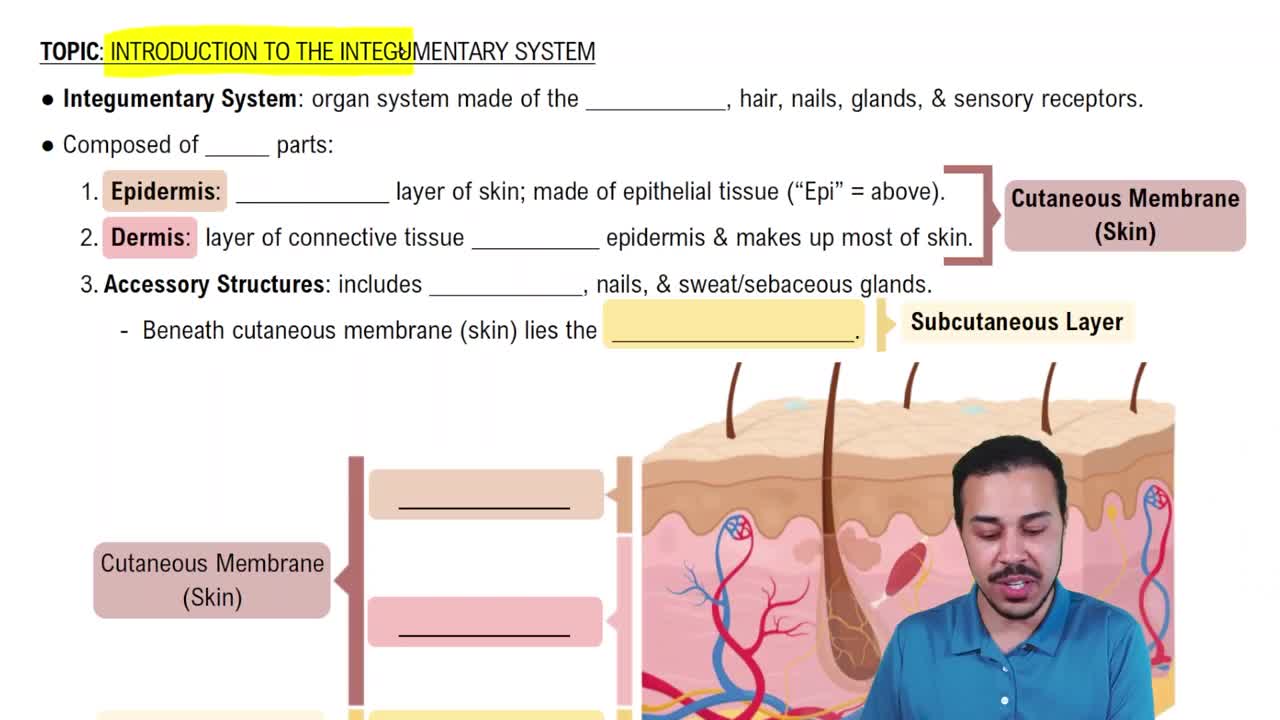
    Introduction to the Integumentary System
    06:54
  • Guided course
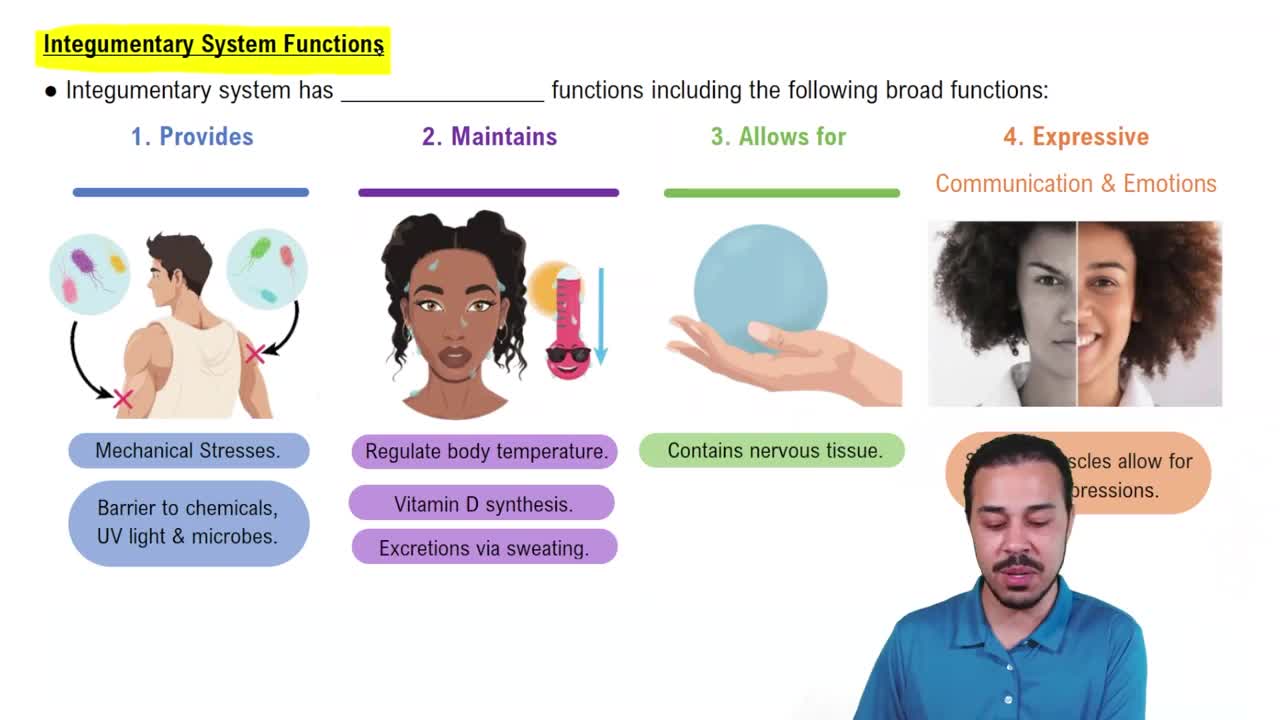
    Integumentary System Functions
    03:40
  • Guided course
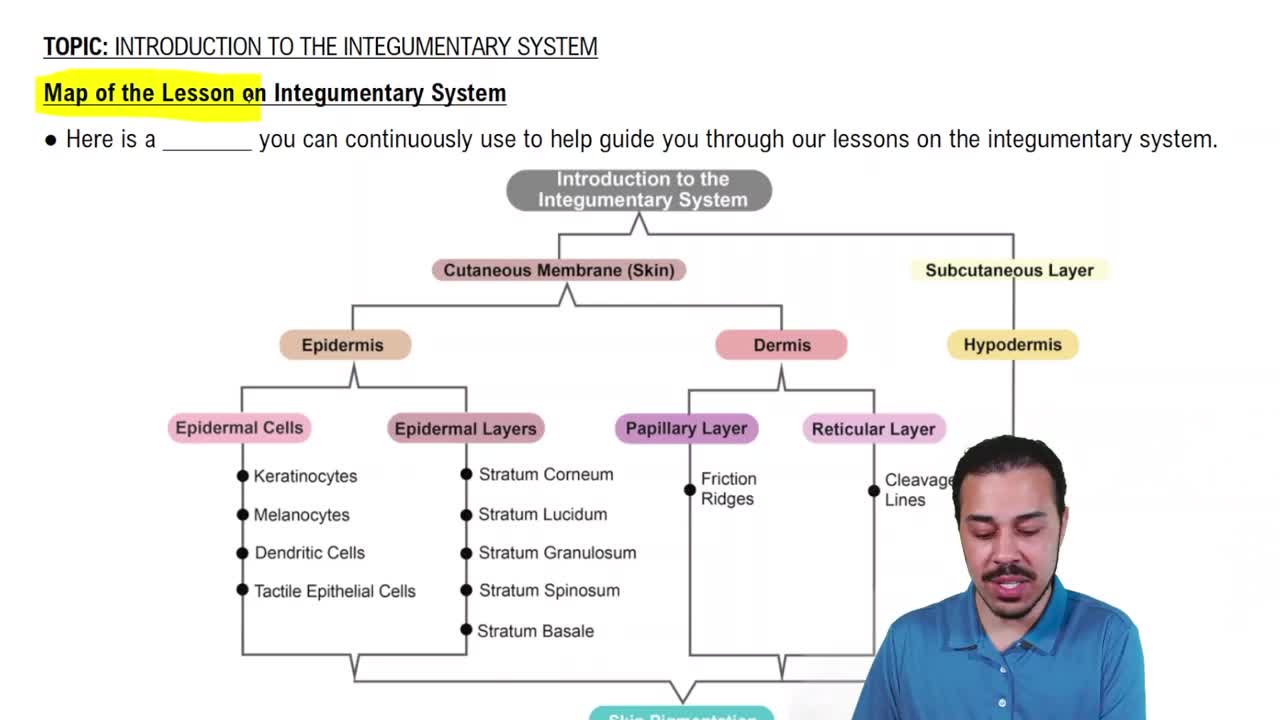
    Map of the Lesson on Integumentary System
    02:47

Introduction to Muscles and Muscle Tissue

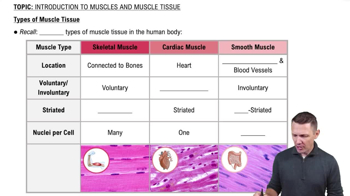
  • Types of Muscle Tissue
    6:31
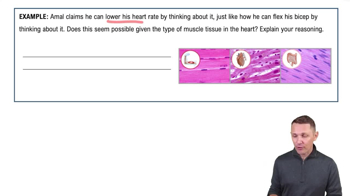
  • Introduction to Muscles and Muscle Tissue Example 1
    2:00
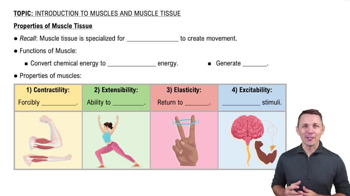
  • Properties of Muscle Tissue
    4:36

Introduction to the Central Nervous System

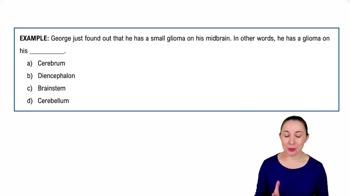
  • Introduction to the Central Nervous System Example 1
    0:50
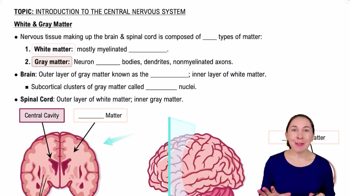
  • White & Gray Matter
    2:41
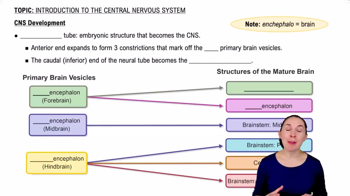
  • CNS Development
    3:34

Introduction to Special Senses

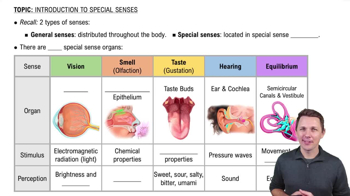
  • Special Senses
    5:05
  • Introduction to Special Senses Example 1
    3:08