Back
Blood: Structure, Function, and Clinical Significance
Study Guide - Smart Notes
 Tailored notes based on your materials, expanded with key definitions, examples, and context.
Blood and the Cardiovascular System
Overview of the Cardiovascular System
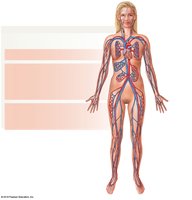
The cardiovascular system is composed of the heart, blood vessels (arteries, veins, and capillaries), and blood. This system is responsible for transporting substances throughout the body and maintaining homeostasis.
Functions and Properties of Blood
Major Functions of Blood
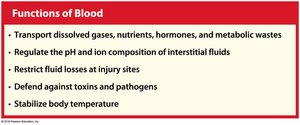
Blood is a vital fluid that performs several essential functions necessary for life and health:
Transport: Carries dissolved gases (O2, CO2), nutrients, hormones, and metabolic wastes.
Regulation: Maintains pH, ion composition, and water content of cells.
Restriction of Fluid Loss: Clotting mechanisms restrict fluid loss at injury sites.
Defense: Defends against toxins and pathogens via white blood cells and antibodies.
Stabilization of Body Temperature: Distributes heat throughout the body.
Physical and Chemical Properties of Blood
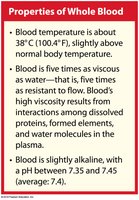
Blood exhibits unique physical and chemical properties that support its functions:
Temperature: Approximately 38°C (100.4°F), slightly higher than normal body temperature.
Viscosity: About five times more viscous than water due to dissolved proteins and formed elements.
pH: Slightly alkaline, ranging from 7.35 to 7.45 (average 7.4).
Composition of Blood
Major Components
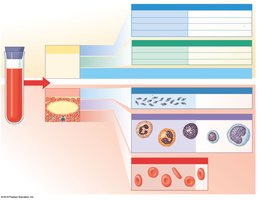
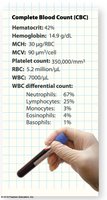
Blood consists of two main components: plasma and formed elements. Plasma makes up about 55% of blood volume, while formed elements (cells and cell fragments) make up about 45%.
Plasma: 91.5% water, 8.5% solutes (proteins, electrolytes, nutrients, wastes).
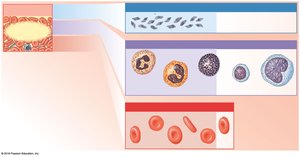
Formed Elements: Red blood cells (RBCs), white blood cells (WBCs), and platelets.
Plasma Composition
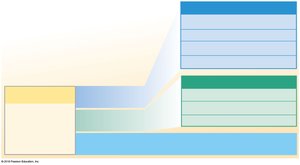
Plasma contains several important proteins and solutes:
Albumins (60%): Maintain osmotic pressure and transport substances.
Globulins (35%): Include antibodies and transport proteins.
Fibrinogen (4%): Essential for blood clotting.
Other Solutes: Electrolytes, nutrients, and metabolic wastes.
Formed Elements
The formed elements of blood include:
Red Blood Cells (Erythrocytes): Transport oxygen and carbon dioxide.
White Blood Cells (Leukocytes): Defend against infection and disease.
Platelets (Thrombocytes): Involved in blood clotting.
Hematopoiesis: Formation of Blood Cells
Stem Cell Differentiation
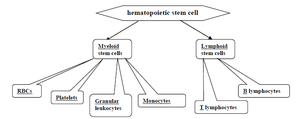
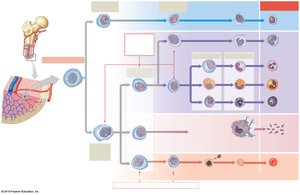
All formed elements originate from hematopoietic stem cells (hemocytoblasts) in the red bone marrow. These stem cells differentiate into myeloid and lymphoid stem cells, which give rise to various blood cells.
Myeloid Stem Cells: Produce RBCs, platelets, granulocytes, and monocytes.
Lymphoid Stem Cells: Produce B and T lymphocytes.
Red Blood Cells (Erythrocytes)
Structure and Function
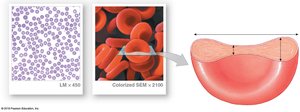
Red blood cells are biconcave discs lacking nuclei and mitochondria. Their primary function is to transport oxygen from the lungs to tissues and carbon dioxide from tissues to the lungs. The biconcave shape increases surface area for gas exchange and allows flexibility for passage through capillaries.
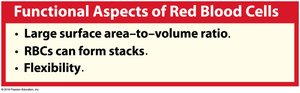
Functional Aspects of RBCs
Large Surface Area-to-Volume Ratio: Enhances gas exchange efficiency.
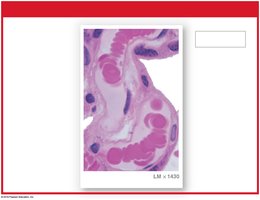
Ability to Form Stacks (Rouleaux): Facilitates smooth flow through narrow vessels.
Flexibility: Allows passage through capillaries smaller than their diameter.
Hemoglobin Structure
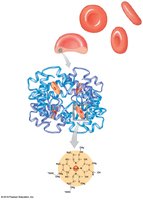
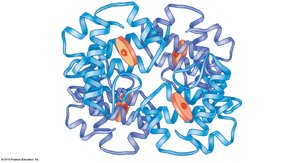
Each RBC contains about 280 million hemoglobin molecules. Hemoglobin is a protein composed of four polypeptide chains (two alpha and two beta), each with a heme group containing iron (Fe2+). Each heme binds one oxygen molecule, allowing each hemoglobin to carry four oxygen molecules.
Recycling of Red Blood Cells
RBC Lifespan and Destruction
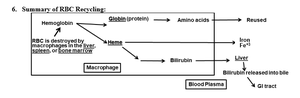
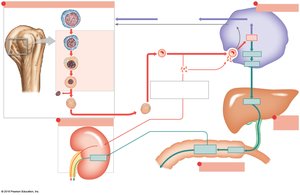
Red blood cells have a lifespan of about 120 days. Old or damaged RBCs are removed from circulation by macrophages in the liver, spleen, and bone marrow. Hemoglobin is broken down and its components recycled:
Globin: Broken down into amino acids for reuse.
Heme: Iron is salvaged and transported by transferrin; the remainder is converted to bilirubin and excreted in bile.
Blood Typing and Compatibility
ABO and Rh Blood Groups
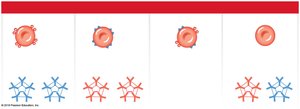
Blood types are determined by the presence or absence of specific antigens (agglutinogens) on the surface of RBCs. The major blood groups are ABO and Rh:
ABO System: Type A (A antigen), Type B (B antigen), Type AB (both), Type O (neither).
Rh System: Rh+ (antigen present), Rh- (antigen absent).
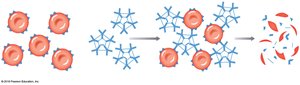
Plasma contains antibodies against antigens not present on the individual's RBCs. Incompatible transfusions can cause agglutination and hemolysis.
White Blood Cells (Leukocytes)
Classification and Function
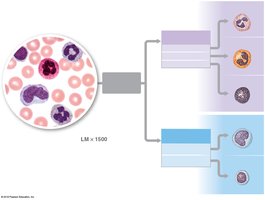
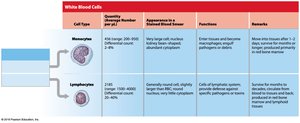
White blood cells are nucleated cells involved in immune defense. They are classified as:
Granular Leukocytes: Neutrophils, eosinophils, basophils (contain granules in cytoplasm).
Agranular Leukocytes: Lymphocytes, monocytes (lack visible granules).
Shared Properties of WBCs
Short lifespan (hours to years).
Can leave the bloodstream (emigration/diapedesis).
Attracted to sites of infection or injury (positive chemotaxis).
Most are phagocytic (except lymphocytes).
Platelets and Hemostasis
Platelet Structure and Function
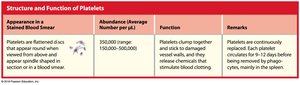
Platelets are cell fragments derived from megakaryocytes. They play a crucial role in hemostasis (the stoppage of bleeding) by forming platelet plugs and releasing chemicals that promote clotting.
Hemostasis and Blood Clotting
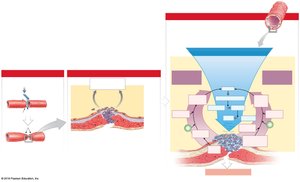
Hemostasis involves three phases:
Vascular Phase: Vasoconstriction and endothelial changes reduce blood loss.
Platelet Phase: Platelets adhere to damaged area and form a plug.
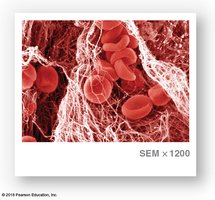
Coagulation Phase: Cascade of reactions leads to the conversion of fibrinogen to fibrin, forming a stable clot.
Clot retraction and fibrinolysis (clot dissolution) follow to restore normal blood flow.
Clinical Aspects of Blood
Blood Disorders
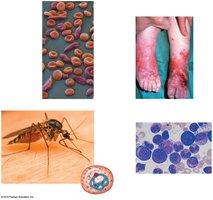
Anemias: Iron deficiency, vitamin B12 deficiency, sickle cell anemia, thalassemia.
Hemophilia: Inherited deficiency of clotting factors.
Leukemias: Cancers of blood-forming tissues (myeloid or lymphoid origin).
Infections: Bacteremia, viremia, septicemia, malaria.
Degenerative Disorders: Disseminated intravascular coagulation (DIC).